Two Illinois Democrats want to nearly triple the federal minimum wage, jumping from $7.25 to $25 an hour in what would be the largest single increase in the 88-year history of the national pay floor.
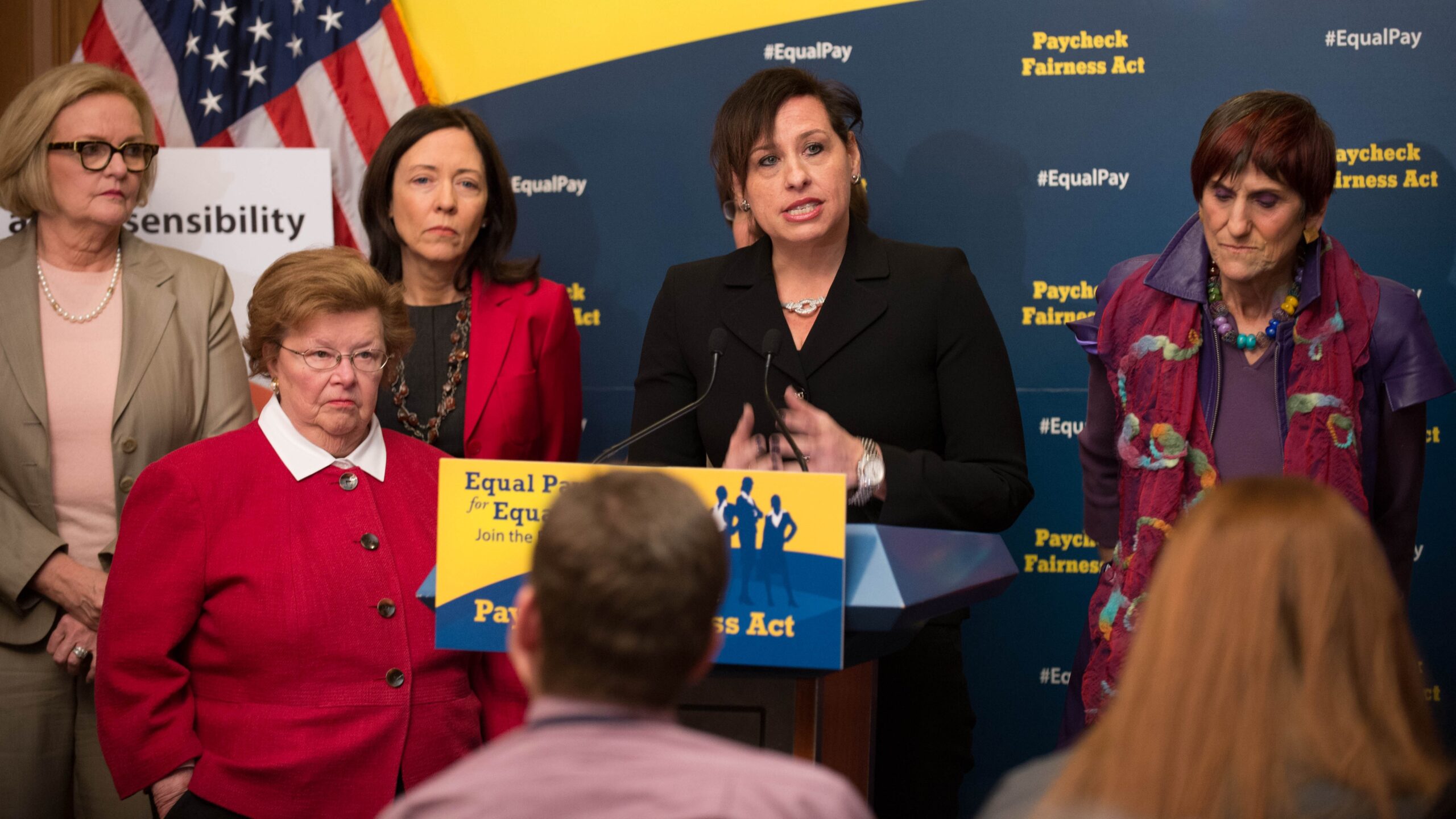
Reps. Delia Ramirez and Jesus “Chuy” Garcia introduced the Living Wage for All Act in May 2026 alongside workers and labor leaders. A full-time employee earning the current minimum takes home roughly $15,080 a year before taxes. At $25 an hour, that figure would climb to about $52,000.
“No one working full time in the richest country in the world should live in poverty,” Ramirez said in a statement announcing the bill. Garcia called the current rate “a starvation wage” that has left millions of families behind.
The federal minimum has not changed since July 24, 2009, a stretch of nearly 17 years and the longest freeze since Congress first established a national wage floor in 1938. The previous record gap, from 1997 to 2007, lasted 10 years.
Why the push is happening now
The $7.25 rate has lost substantial purchasing power during its long freeze. Cumulative inflation since 2009 has approached 50 percent, according to Bureau of Labor Statistics consumer price index data, meaning a minimum-wage paycheck covers far less in rent, groceries, and transportation than it did when the rate was set.
Twenty states still use the federal floor as their minimum or set a rate only marginally above it. Workers in those states have absorbed the full brunt of that erosion. For someone stocking shelves or washing dishes at $7.25 in a state with no higher mandate, the math is blunt: a 40-hour week yields about $290 before taxes, an amount that in many metro areas would not cover a studio apartment’s monthly rent even if every paycheck went to housing alone.
The bill also builds on more than a decade of grassroots organizing. The Fight for $15 movement, launched in 2012 by fast-food workers, helped push dozens of states and cities to adopt higher local minimums. California and Washington now mandate wages above $16 an hour. But Congress has not followed: the Raise the Wage Act, which would have phased in a $15 federal minimum, passed the House in 2019 and died in the Senate. The new proposal leapfrogs that earlier target by a wide margin.
The Department of Labor’s historical wage chart shows a pattern of stepwise increases dating back to the original 25-cent floor in 1938, but none of the previous pauses comes close to the current one.
Who earns the minimum wage
About 1.1 million workers earned exactly the federal minimum or less in 2023, the most recent year with published BLS figures. That count understates the reach of any increase, because millions more earn somewhere between $7.25 and $25 and would also see a raise.
Service-sector jobs, especially in food preparation and serving, account for a large share of minimum-wage employment. Younger workers are overrepresented, but adults working full time make up a significant portion as well. Women, workers without a college degree, and part-time employees appear disproportionately among those earning at or near the floor.
For perspective, the median hourly wage for all U.S. workers was roughly $30 in recent BLS data. A $25 minimum would place the federal floor at about 83 percent of that midpoint, a ratio far higher than at any previous point in American history. Economists say a floor set that close to the median would reshape wage structures across nearly every industry.
How economists and business groups have responded to past increases
No Republican lawmaker or White House official had issued a public response to the Living Wage for All Act as of late May 2026. But the political fault lines are familiar. Business groups and fiscal conservatives have long argued that large minimum-wage increases drive up labor costs, force employers to cut hours or eliminate positions, and push consumer prices higher. The National Restaurant Association and the U.S. Chamber of Commerce opposed even the more modest $15 proposals.
Small-business owners in states still at $7.25 would face the steepest adjustment. A restaurant employing 10 workers at the current minimum would see its annual base payroll rise from roughly $150,800 to about $520,000 under a $25 floor, before accounting for payroll taxes and benefits. That kind of increase, if imposed without a long phase-in, could force difficult choices about staffing, hours, and menu prices.
Labor economists who have studied state-level increases tell a more complicated story. Research on cities that adopted $15 floors found that moderate wage hikes did not trigger the dramatic job losses critics predicted, though they did produce some price increases in affected industries, particularly restaurants. Whether those findings hold for a jump as large as $7.25 to $25 is an open question that existing research does not answer.
The Congressional Budget Office has not released an economic impact analysis of the $25 proposal. Its 2019 study of a $15 minimum projected that the increase would lift 1.3 million people out of poverty while potentially costing 1.3 million jobs, a finding both sides cited selectively. A comparable analysis of the $25 threshold would be critical to any serious legislative debate, and until one exists, specific job-loss or job-gain claims tied to this bill should be treated with caution.
Internationally, no major economy sets a national minimum as high as $25 in U.S. dollar terms. Australia’s minimum, one of the world’s highest, sits at roughly the equivalent of $14 to $15 U.S. dollars per hour. The proposal would place the American floor in uncharted territory among peer nations.
Unanswered questions about tipped workers and phase-in timing
Several critical design questions remain unanswered in the publicly available materials. The bill’s implementation timeline and phase-in schedule have not been clearly described. Whether the $25 rate would take effect immediately or ramp up through a series of annual increases spread over several years matters enormously for employers, particularly small businesses operating on thin margins.
Under current federal law, employers can pay tipped employees as little as $2.13 an hour, with tips expected to make up the difference to at least $7.25. The bill does not spell out whether that separate tipped minimum would be eliminated, raised proportionally, or left unchanged. Past wage bills have included provisions to phase out or narrow the gap, and the question has been among the most contentious in every minimum-wage debate. How the sponsors address it will shape the bill’s reception in the restaurant and hospitality industries, which together employ millions of tipped workers.
How the $25 rate would interact with the existing patchwork of state and local minimums is another unresolved issue. The federal minimum functions as a floor: states can set higher rates but not lower ones. A $25 national standard would override every state’s current minimum, since none mandates a wage that high. For states already near $16 or $17, the adjustment would be significant but less disruptive than it would be in states still sitting at $7.25.
Where the bill goes in a divided Congress
The Living Wage for All Act faces steep odds. Minimum-wage increases have historically required bipartisan support to clear the Senate, and the $25 target is well beyond what most Republican lawmakers have signaled any willingness to consider. Even some Democrats who backed the $15 push may hesitate at a figure that would set the U.S. federal floor far above any comparable economy’s.
But the bill’s sponsors appear to be making a deliberate strategic choice. By staking out an ambitious position, Ramirez and Garcia are trying to reframe the debate around what a living wage actually requires in 2026 rather than anchoring it to a number first proposed more than a decade ago. Whether that reframing shifts the conversation or draws criticism for overreach will depend on how the public, business leaders, and fellow lawmakers respond in the months ahead.