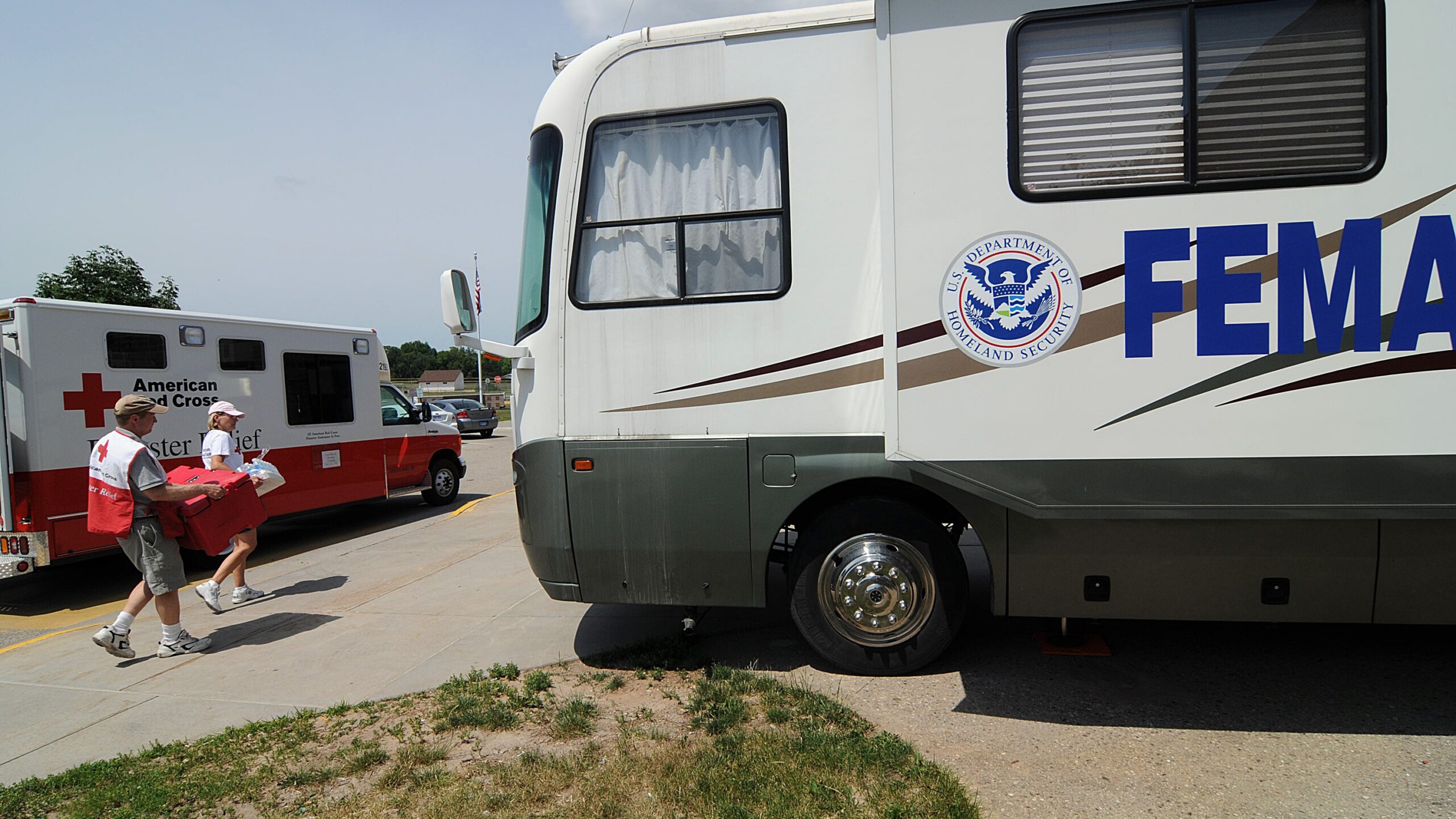
In Swannanoa, North Carolina, where Hurricane Helene’s floodwaters gutted homes and buckled roads in late 2024, residents waiting on federal rebuilding dollars are now watching a new threat form: FEMA’s Disaster Relief Fund has dropped below $3 billion, and the 2026 Atlantic hurricane season is already underway.
The DRF, the single pot of money Congress appropriates to cover everything from search-and-rescue missions to emergency housing to rebuilding shattered infrastructure, has fallen to a level so low that the agency has activated what it calls Immediate Needs Funding. That is bureaucratic shorthand for triage: keep people alive now, and pause the longer-term recovery work until Congress sends more money.
The sub-$3 billion figure is drawn from FEMA’s required monthly balance reports to the House and Senate Appropriations Committees. The agency is obligated to file these reports each month under longstanding congressional directives, and the most recent cycle placed the balance below the threshold that triggers restricted spending. The precise current balance and the exact reporting date have not been released publicly, and no specific outlet or official has been identified as first disclosing the figure; the number is derived from the reporting obligation itself as documented by the Congressional Research Service.
For the millions of Americans living along the Gulf and Atlantic coasts, the timing is difficult to ignore. Forecasters have projected above-normal activity for the 2026 season, and the fund is entering peak storm months thinner than it has been in several years. Hurricanes Helene and Milton, which struck the southeastern United States in late 2024, drew heavily on the DRF and contributed directly to the current shortfall. Congress approved supplemental disaster funding after those storms, but the account has not fully recovered.
What Immediate Needs Funding actually means
The Disaster Relief Fund operates under the Stafford Act and pays for a wide range of programs: public infrastructure repair, hazard mitigation grants, the Individuals and Households Program that provides emergency housing and critical needs checks, Fire Management Assistance Grants, and mission assignments to other federal agencies.
When the balance drops to a level FEMA considers dangerously low, the agency shifts into Immediate Needs Funding. Under that protocol, according to FEMA’s own guidance, the following remain funded:
- Individual Assistance for critical needs and temporary housing
- Emergency protective measures under Public Assistance
- Mission assignments to other federal agencies
- Fire management grants
- Core disaster operations staff
Search-and-rescue teams stay deployed. Emergency shelters stay open. What stalls is the broader recovery work communities depend on after the immediate crisis passes: rebuilding roads, restoring water treatment plants, repairing schools, and funding mitigation projects designed to reduce damage from the next storm.
For local governments waiting on those dollars, a funding pause can mean construction timelines slip by months, costs climb, and damaged infrastructure sits exposed through the most dangerous stretch of the calendar.
A funding cycle Congress has seen before
The DRF running low before or during hurricane season is not new. A Congressional Research Service report documents a recurring pattern: back-to-back disaster declarations drain the fund, FEMA activates triage spending, the executive branch submits a supplemental appropriations request, and Congress eventually replenishes the account. FEMA is required to submit monthly balance reports to lawmakers, creating the paper trail that signals when the situation is becoming urgent.
But “eventually” has meant very different things depending on the political moment. The speed of replenishment depends less on the severity of the need than on what else is consuming legislative bandwidth.
As of May 2026, no supplemental spending bill specifically targeting the DRF has cleared either chamber of Congress, according to the Congress.gov bill tracker. Members of both parties have acknowledged the shortfall, but the path and pace of any new disaster funding package remain uncertain. The House Appropriations Committee, chaired by Rep. Tom Cole (R-OK), and the Senate Appropriations Committee, chaired by Sen. Susan Collins (R-ME), oversee the DRF’s funding and would be central to any supplemental legislation.
Communities still rebuilding face the sharpest risk
For towns and counties still recovering from Helene, Milton, and other recent disasters, the funding squeeze is not abstract. Under Immediate Needs Funding rules, FEMA can pause permanent work projects, the category that covers rebuilding public infrastructure like roads, bridges, and utilities. No public document quantifies exactly how many active projects could be affected or estimates how long delays might last.
But the math is straightforward. A brief funding pause that stretches into a lost construction season pushes costs higher, leaves damaged infrastructure in place longer, and forces local governments to choose between waiting for federal reimbursement or spending their own limited reserves. In smaller communities with thin budgets, that choice can stall recovery for years.
There is also no public FEMA projection of how long the fund can sustain operations if a major hurricane makes landfall while the balance remains this low. The agency’s guidance documents explain the mechanics of Immediate Needs Funding but do not model scenarios. That gap leaves open questions about whether FEMA might need to delay contracts with debris-removal firms or lean more heavily on state and local agencies if multiple large disasters hit in quick succession.
How FEMA’s triage rules shape what comes next
FEMA’s triage framework is built to keep life-saving assistance flowing even when the DRF is strained, and it has been tested in previous funding crunches. The legal and bureaucratic machinery for prioritizing critical needs is clearly defined.
But the financial cushion behind that machinery is thinner than it has been heading into several recent hurricane seasons, and the political timeline for replenishing it is unpredictable. Whether the current fund level proves manageable or catastrophic depends on two variables no one controls: what the Atlantic produces this summer and how quickly Congress acts.
The rules for triage are written. The money to go beyond triage is not yet there.