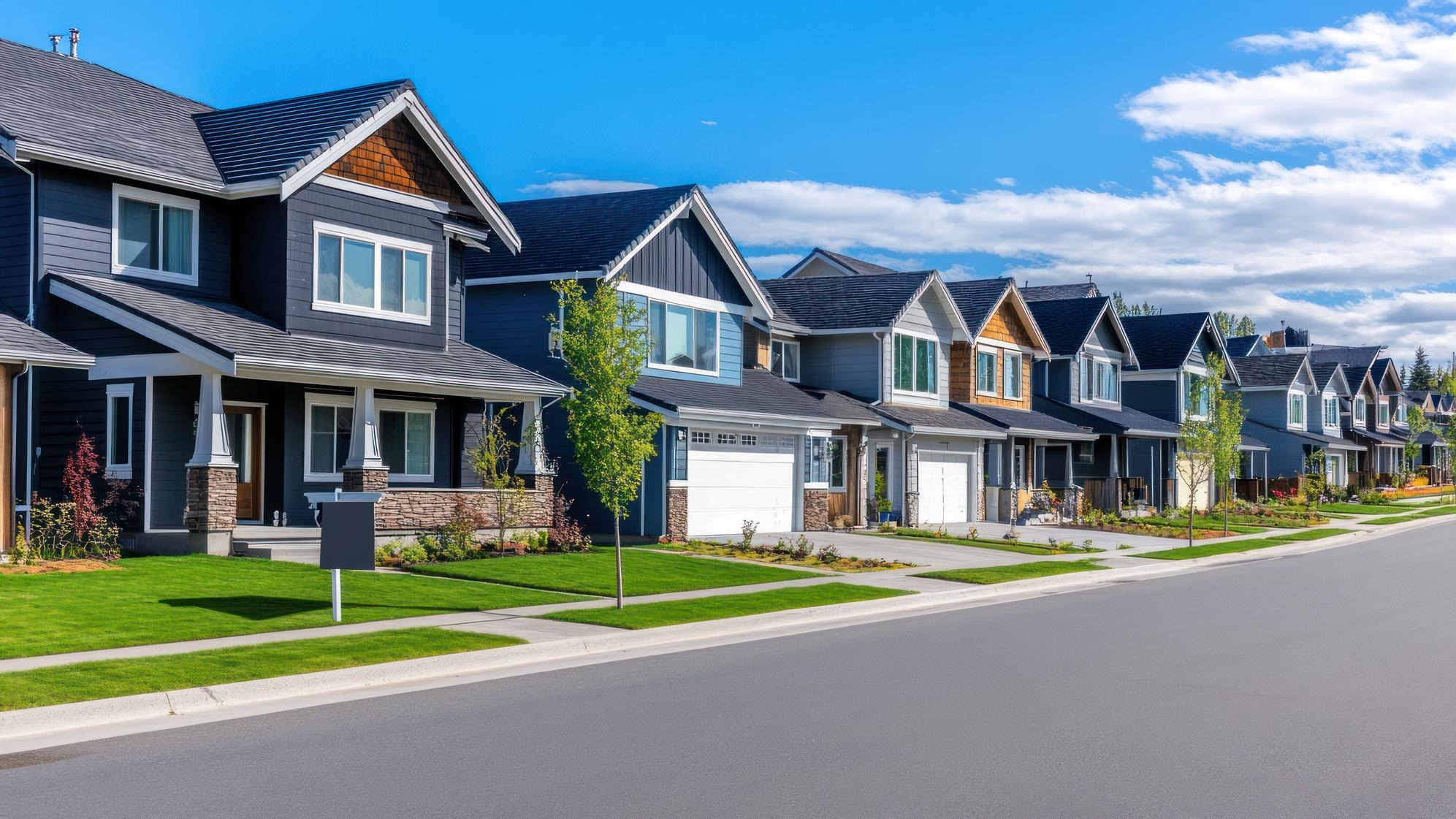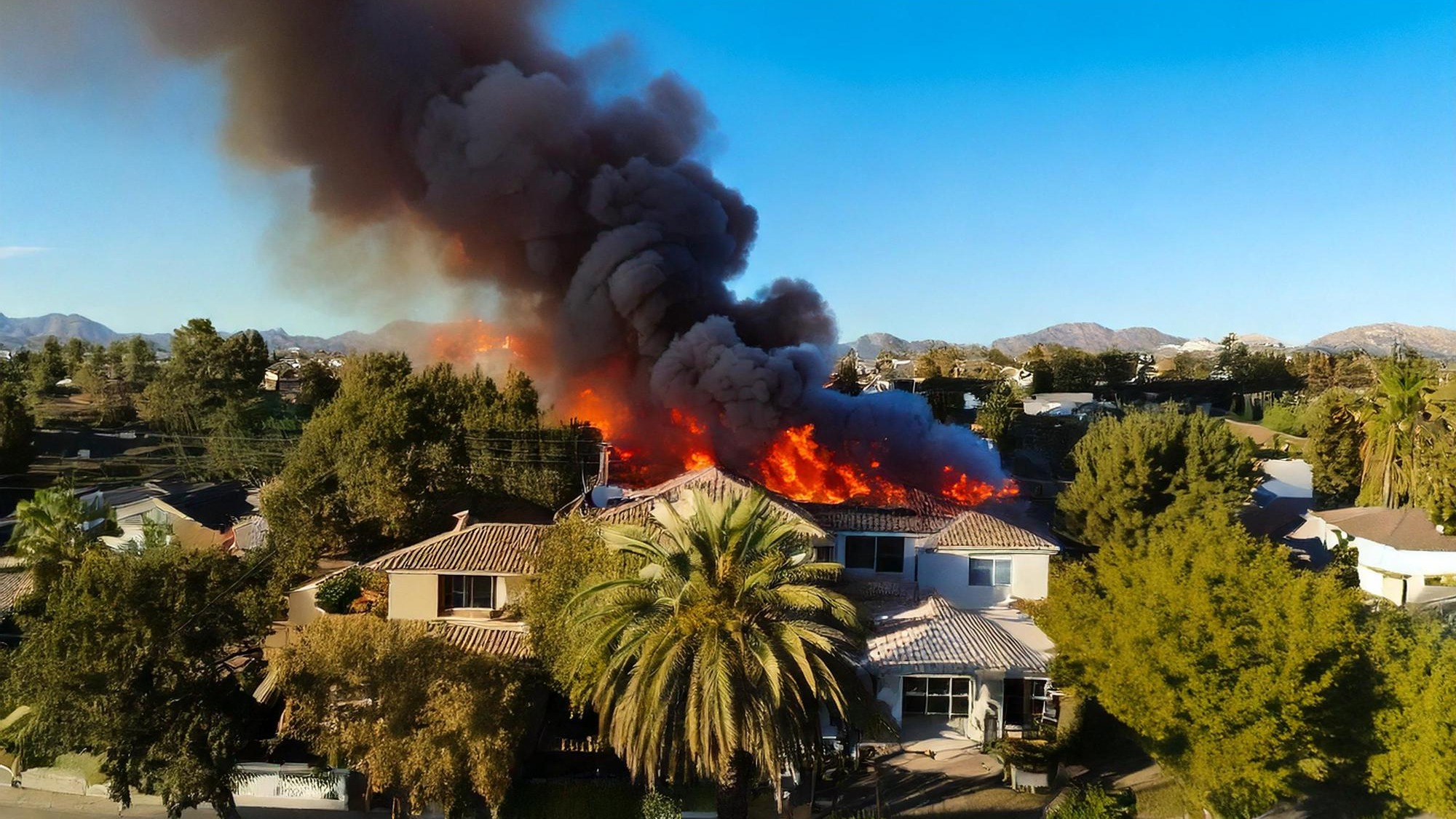
The average American homeowner now pays roughly $2,400 a year to insure their house, up from about $1,640 in 2021. The $2,400 figure is an estimate from the Insurance Information Institute, while the 46% trend line is derived from the Federal Reserve’s producer price index for property insurance, which tracks list-price changes published by insurers. Together, those sources paint a picture of five consecutive years of increases with no sign of leveling off. And in California, where the January 2025 Palisades and Eaton fires destroyed more than 16,000 structures and caused an estimated $35 billion to $45 billion in insured losses, the pressure is even more intense: industry projections from Insurify and S&P Global suggest the statewide average could land near 16% once carriers beyond State Farm finalize their own post-wildfire rate adjustments.
Five years of compounding costs
The current streak began in 2022, fueled by a collision of forces that have only intensified since. Rebuilding costs surged alongside pandemic-era inflation in lumber, roofing materials, and labor. Hurricanes Ian (2022) and Helene (2024) generated tens of billions in claims across the Southeast. Severe convective storms, the industry term for hail and tornado outbreaks, set new annual loss records in both 2023 and 2024. And global reinsurers, the companies that insure insurers, responded by raising their own prices and pulling back from peak-risk zones.
The Federal Reserve’s producer price data shows premiums jumped roughly 12% in 2025 alone, stacked on top of double-digit increases in prior years. That index tracks list-price changes rather than what every individual policyholder pays after discounts or bundling credits, so actual out-of-pocket increases vary by household. But the direction is unmistakable, and analysts at the Insurance Information Institute project 2026 will extend the streak to a fifth straight year of nationwide increases.
No single cause accounts for the full 46%. Climate-driven catastrophe losses, construction cost inflation, tighter reinsurance markets, and insurer decisions to reprice risk in areas they once considered routine all contribute. The weight of each factor varies sharply by region, which is why a homeowner in Oklahoma facing hail surcharges and a homeowner in coastal Florida absorbing hurricane risk are both seeing steep increases for very different reasons.
California’s post-wildfire rate shock
Nowhere is the pricing pressure more acute than in California. In the months following the January 2025 LA fires, Insurance Commissioner Ricardo Lara approved an emergency interim rate increase for State Farm, the state’s largest homeowners insurer. The commissioner’s ruling granted a 17% hike for homeowners policies, trimmed from State Farm’s original request of 21.8%, after an administrative law judge found the company needed rate relief to remain solvent in the state.
That emergency order was not the final word. The California Department of Insurance, consumer advocacy group Consumer Watchdog, and State Farm negotiated a settlement that refined the rate structure across policy types. According to the department’s settlement announcement, the 17% homeowners increase held, but the rental dwelling interim rate dropped from 38% to 32.8%, and the condo interim rate fell sharply from 15% to approximately 5.8%. The agreement also requires refunds with 10% interest, retroactive to June 1, 2025, for policyholders who were overcharged during the interim period.
“This settlement holds State Farm accountable while keeping them in the California market, which is what consumers need most right now,” Consumer Watchdog staff attorney Alex Quimby said in a statement accompanying the department’s announcement.
State Farm’s approved hike is the strongest documented data point in California’s post-fire pricing landscape. The broader 16% statewide projection draws on composite estimates that blend approved, pending, and projected rates across dozens of carriers. Other major insurers, including Allstate and Farmers, have not publicly disclosed comparable post-wildfire rate actions through verifiable regulatory filings as of June 2026, so the statewide figure remains a forecast rather than a confirmed average.
The coverage gap widens
Rising premiums are only part of the problem. Several national insurers have paused writing new homeowners policies in high-risk California ZIP codes or tightened underwriting to exclude properties near wildland-urban interface zones. That retreat has pushed a growing number of homeowners toward the California FAIR Plan, the state’s insurer of last resort, which offers basic fire coverage but at higher prices and with narrower protection than a standard policy.
The FAIR Plan’s total insured value had already more than doubled since 2020 before the LA fires, a sign that the voluntary market was shrinking faster than regulators could coax carriers back in. Commissioner Lara’s broader regulatory strategy, which for the first time allows insurers to use catastrophe models and factor reinsurance costs into rate filings, is designed to make the California market attractive enough for private carriers to stay. But those reforms also mean higher approved rates, creating a tension between market stability and affordability that regulators have not yet resolved.
“People in fire-prone areas are being told their home is uninsurable at any reasonable price,” said Amy Bach, executive director of United Policyholders, a nonprofit consumer advocacy organization. “That is not just an insurance problem. It is a housing problem and a wealth problem.”
California is not alone. Florida, Louisiana, and Texas have all seen premiums rise well above the national average, driven by hurricane exposure, litigation costs, and insurer insolvencies. In Florida, the average annual premium exceeded $4,400 in 2025, more than double the national figure, according to the Insurance Information Institute. The common thread across these states is that insurers are repricing risk to reflect actual catastrophe losses, and the gap between what coverage costs and what many families can afford keeps growing.
For homeowners who lose private coverage entirely, the consequences extend beyond the insurance bill. Mortgage lenders require active policies, and when a borrower’s coverage lapses, the lender can impose “force-placed” insurance: a bare-bones policy that typically costs two to three times more than a standard plan and protects only the lender’s interest, not the homeowner’s belongings or liability.
Federal response remains limited as states shoulder the burden
As of June 2026, no comprehensive federal legislation addressing the home insurance affordability crisis has been enacted. Several members of Congress have introduced proposals ranging from expanding the National Flood Insurance Program’s scope to creating a federal reinsurance backstop for climate-related catastrophe losses, but none have advanced beyond committee hearings. The Federal Insurance Office, housed within the Treasury Department, published an assessment in late 2025 warning that climate-driven insurance market disruptions pose a risk to housing finance stability, yet the report stopped short of recommending specific legislative remedies. For now, the regulatory response remains almost entirely at the state level, leaving a patchwork of rules that varies dramatically depending on where a homeowner lives.
How mitigation and market competition can lower renewal costs
For families staring down sharply higher premiums, the options are limited but worth pursuing. Shopping across carriers remains the single most effective lever. Rate increases vary widely by company, and a policyholder who has not compared quotes in two or three years may find meaningful savings simply by switching. Independent insurance agents who represent multiple carriers can run comparisons quickly.
Mitigation improvements can also reduce premiums in some states. California’s Safer from Wildfires program offers discounts to homeowners who harden their properties with fire-resistant roofing, ember-resistant vents, and defensible-space landscaping. Similar programs exist in Florida and other hurricane-prone states for wind mitigation upgrades like roof straps and impact-resistant windows.
Raising a deductible from $1,000 to $2,500 or higher can lower annual premiums by 10% to 20%, though it means absorbing more cost out of pocket in a claim. Bundling home and auto policies with the same carrier often yields a multi-policy discount of 5% to 15%. And homeowners who have let their coverage creep above replacement cost should review their dwelling limits with an agent to confirm they are not over-insured.
None of these steps will fully offset a 17% rate hike. But with California’s wildfire season approaching and hurricane forecasters projecting another active Atlantic season for 2026, acting before the next renewal cycle gives homeowners the best chance of locking in competitive coverage while carriers are still writing new business in their area. The insurance market is repricing risk on a timeline measured in years, not months, and waiting for premiums to come back down is, for now, not a strategy anyone in the industry is recommending.