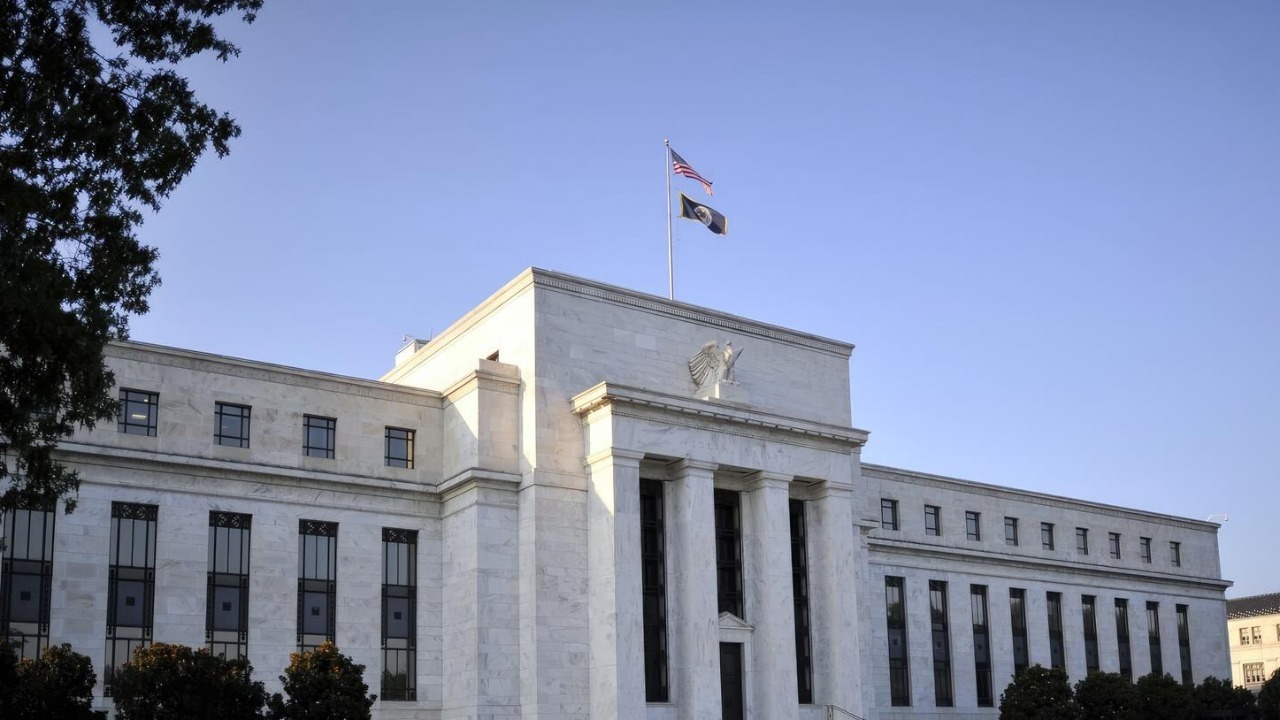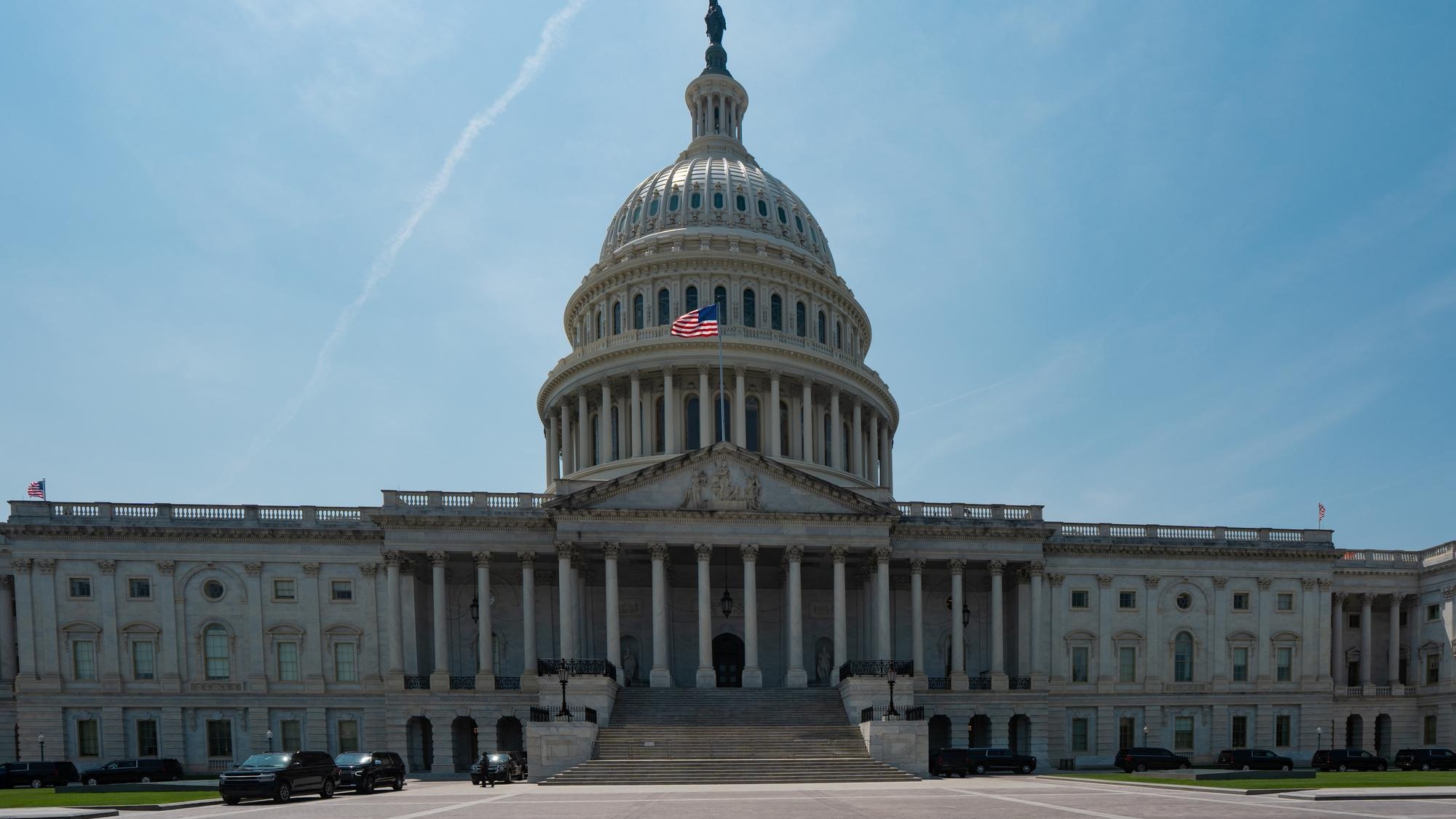
Kevin Warsh is now a sitting Federal Reserve governor, and he is one vote away from running the place. The Senate confirmed him to the Fed’s Board of Governors on Monday morning, 51 to 45, along strict party lines, then immediately moved to set up the bigger question: whether to hand him the chair of the most powerful central bank on Earth. That vote is scheduled for Wednesday. Jerome Powell’s four-year term as chair expires at the close of this week, giving Washington roughly 72 hours to complete a leadership handoff that will shape interest-rate policy for years to come.
Two votes, one morning, zero crossover
The Senate handled Warsh’s path to the chair as two distinct actions. At 11:24 a.m. on May 12, senators confirmed him as a board member for a full 14-year term beginning February 1, 2026, under nomination PN855-1. Just over an hour later, at 12:30 p.m., they voted 51-45 to invoke cloture on his separate nomination to serve as chair for four years, under PN855-2. Not a single senator crossed party lines in either roll call.
The two-step process reflects how Fed leadership actually works. A nominee first needs a seat on the seven-member Board of Governors before being elevated to the chair. By locking down the governor seat Monday morning, the Senate guaranteed Warsh a place on the board no matter what happens Wednesday. Cloture, which caps remaining debate at 30 hours under Senate rules, clears the runway for a final up-or-down vote on the chair title. Both roll calls are logged in the Senate’s public vote database.
Who is Kevin Warsh?
Warsh is not new to the Fed. He served as a governor from 2006 to 2011, a period that put him at the table for some of the most consequential decisions of the financial crisis: emergency lending to Bear Stearns and AIG, the creation of new liquidity facilities, and the first rounds of quantitative easing. Before joining the board, he worked as a mergers-and-acquisitions banker at Morgan Stanley and served on the White House National Economic Council under President George W. Bush.
After leaving the Fed in 2011, Warsh became a visiting fellow at Stanford University’s Hoover Institution, where he built a public record as a critic of prolonged easy-money policy. In a widely cited 2014 essay, he argued that the Fed’s extended use of quantitative easing and forward guidance was distorting asset prices and weakening the central bank’s credibility. That track record has led analysts to label him a monetary hawk, someone more inclined to keep interest rates firm or raise them than to cut preemptively. He appeared before the Senate Banking Committee in April 2026 for his nomination hearing, where Republicans on the panel pressed him on inflation discipline and Democrats questioned whether his instincts would lead to unnecessarily tight policy.
Why the margin was so narrow
A 51-45 confirmation is historically thin for a Fed chair. When Powell was first confirmed to lead the central bank in January 2018, the vote was 84 to 13. His reconfirmation in May 2022 passed 80 to 19. The gap between those tallies and Warsh’s reflects how deeply partisan the politics of monetary policy have become.
During floor debate, Senate Banking Committee Chair Tim Scott praised Warsh’s crisis-era experience, telling colleagues, “Kevin Warsh has been tested in the most severe financial conditions in modern history and proved he has the judgment this moment demands.” Democratic senators pushed back sharply. Senator Elizabeth Warren called the nomination “a gamble with working families’ livelihoods,” arguing that installing a known hawk risked choking off a labor market still absorbing the effects of recent economic turbulence. Republicans countered that the Fed needs a leader willing to hold the line on price stability after years of inflation that caught policymakers flat-footed. The result: every Republican present voted yes, every Democrat present voted no.
That straight party-line split raises a practical question for Warsh’s tenure. A chair who arrives with minimal bipartisan support can expect louder congressional scrutiny on every rate decision, every press conference, and every semiannual testimony before the Senate Banking and House Financial Services committees. Powell, by contrast, entered both of his terms with broad bipartisan backing that gave him a wider political buffer.
What the transition means for borrowing costs
The Fed’s most recent policy action came at its late-April FOMC meeting, at which the committee held the federal funds rate steady. That decision was made under Powell’s leadership. The next scheduled FOMC meeting falls in June 2026, meaning Warsh, if confirmed as chair on Wednesday, would preside over his first rate-setting session within weeks of taking the gavel.
For consumers, the stakes are direct. The federal funds rate influences what banks charge on mortgages, auto loans, and credit card balances. A chair who leans toward tighter policy could keep borrowing costs elevated longer than markets currently expect, or push them higher if inflation data warrants it. But a new chair still has to build consensus among fellow governors and the 12 regional bank presidents who rotate through voting seats on the FOMC, so any shift in direction would not happen by one person’s decree.
What happens to Powell, and what still needs to happen for Warsh
Powell’s four-year chair term, which began when he was sworn in for his second stint in May 2022, expires at the end of this week. But losing the chair title does not necessarily mean leaving the Fed. Powell holds a separate board seat with a term that runs into 2028, and past chairs have occasionally remained as governors after stepping down from the top role. Whether Powell chooses to stay, resign, or return to private life has not been publicly announced.
For Warsh, cloture is not confirmation. The 51-45 cloture vote strongly signals he has the support to clear the final roll call, but the margin is thin enough that a handful of absences could matter. No public reporting as of mid-May 2026 indicates any senator is reconsidering. Assuming the vote proceeds Wednesday and the tally holds, Warsh would be sworn in before Powell’s term lapses.
The White House paired a full 14-year board term with the four-year chair term, a common strategy that lets a chair remain on the board long after the leadership role ends. Until the Senate records that final vote and Warsh speaks publicly as the 17th chair of the Federal Reserve, the clearest facts are procedural: he holds a confirmed seat on the Board of Governors, cloture has been invoked on his elevation, and the clock is running toward a deadline that neither the Senate nor the Fed can afford to miss.
Paul Anderson is a finance writer and editor at The Financial Wire. He has spent seven years writing about investment strategies and the global economy for digital publications across the US and UK. His work focuses on making sense of economic policy, cost-of-living issues, and the stories that affect everyday Americans.