The average American worker got a raise in April. It just wasn’t big enough. Consumer prices rose 3.8% over the 12 months ending in April 2026, the Bureau of Labor Statistics reported on May 12, the sharpest annual increase since September 2023. Nominal wages ticked up, but inflation moved faster, and the BLS Real Earnings report confirmed that real average hourly earnings fell for the month. It was the first decline in roughly three years, snapping a streak in which paychecks had been slowly catching up to the price surge that began in 2021.
Put differently: the number on the pay stub grew, but what it could actually buy shrank. A gallon of gas, a month’s rent, a cart of groceries all cost more in April than they did in March, and for a worker earning the national average hourly wage, the gap between pay growth and a 0.6% monthly jump in prices works out to a few fewer dollars of real spending power each week. Multiply that across a two-income household juggling a car payment and a lease renewal, and the math gets uncomfortable quickly.
Where the price pressure is coming from
The Consumer Price Index for All Urban Consumers climbed 0.6% on a seasonally adjusted basis from March to April, nearly double the 0.3% monthly pace that had become routine over the prior quarter. Two categories drove the bulk of the move.
Energy: The energy component surged 3.8% in a single month, with gasoline alone spiking 5.4%. The BLS release does not attribute the jump to a specific cause, and the precise trigger has not been confirmed. But fuel costs at that pace never stay at the pump. Trucking companies, delivery fleets, and airlines absorb higher operating expenses, and those costs historically migrate to supermarket shelves, restaurant checks, and shipping surcharges within weeks.
Shelter: Housing costs rose 0.6% for the month and remain one of the most stubborn components of the index. Rent increases and the imputed cost of homeownership together account for roughly a third of the overall CPI basket, so even a modest monthly gain in shelter exerts outsized pull on the headline number. The BLS publishes regional CPI breakdowns on a separate schedule, and those April metro-level figures are not yet available, so specific city-by-city rent data cannot be cited here. However, for the tens of millions of Americans who already spend 30% or more of their income on housing, according to Census Bureau survey data, another 0.6% monthly increase on a median national rent that the Census Bureau’s most recent American Housing Survey placed above $1,300 per month translates into meaningful added cost over the course of a year.
The breadth of the April increase matters as much as the size. A 0.6% gain across the full CPI basket signals that price pressures were not confined to one or two volatile categories. Shelter inflation alone suggests underlying pressures have not fully subsided, and the 3.8% annual headline rate now sits nearly double the Federal Reserve’s 2% target, a gap that had been narrowing through much of 2024 and 2025 before reversing course this spring.
The grocery aisle tells its own story
The April CPI report also showed food prices continuing to grind higher. While the monthly increase in food at home was more modest than the energy spike, grocery costs have compounded steadily over the past several years, and the cumulative effect is visible in household budgets. Items like eggs, ground beef, and bread carry prices that remain well above their 2021 levels, even after the pace of food inflation slowed in 2024. For families spending $200 or more per week on groceries, even a small monthly uptick translates into hundreds of dollars over the course of a year.
Why paychecks are losing ground
The BLS Employment Situation report provides the nominal average hourly earnings figures that feed into the agency’s real earnings calculation. The companion Real Earnings release adjusts those figures for CPI movements, and the April edition confirmed the first monthly decline in real wages since roughly mid-2023.
That reversal carries weight beyond the data tables. From mid-2023 through early 2026, workers had been gradually clawing back purchasing power lost during the worst of the post-pandemic inflation surge. Wage growth was outpacing prices, and consumer sentiment surveys from the Conference Board had reflected the improvement. April interrupted that trajectory. If the reversal persists for even two or three months, it risks undermining consumer spending, which accounts for roughly two-thirds of U.S. GDP.
What the Fed faces next
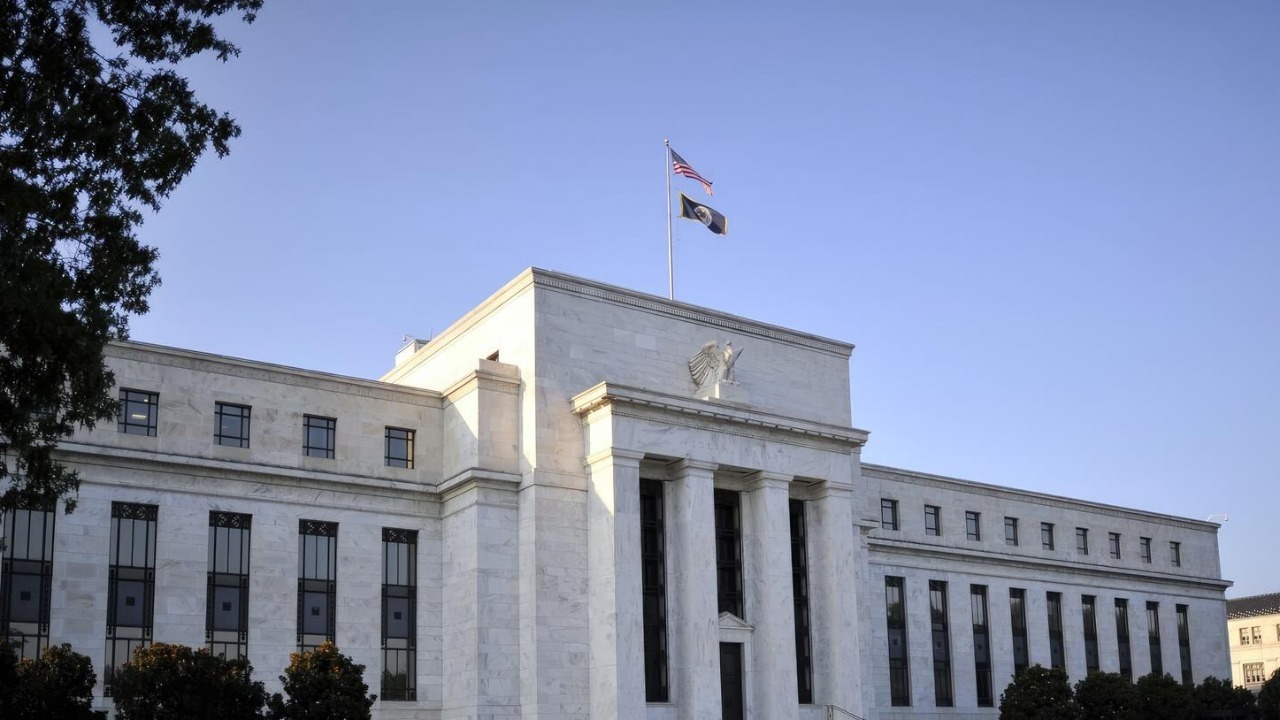
The Federal Reserve has not issued a formal policy statement in direct response to the April CPI, and no new interest rate decision has been announced since the data dropped. But the report lands at an awkward moment for policymakers. Before April, futures markets had been pricing in at least one rate cut by late 2026. A 3.8% headline reading complicates that bet considerably.
The Fed’s preferred inflation gauge is the Personal Consumption Expenditures (PCE) price index, not the CPI, and the two measures can diverge in any given month due to differences in weighting and scope. The April PCE data, published by the Bureau of Economic Analysis, will arrive later and could paint a somewhat different picture. Still, a CPI print this far above the 2% target is difficult for the Federal Open Market Committee to dismiss, particularly when shelter and energy are both accelerating.
If the Fed concludes the spike is transitory, driven largely by a temporary energy shock, policymakers may hold rates steady and wait for confirmation in subsequent reports. If inflation broadens or accelerates further, the conversation shifts toward whether rates need to stay higher for longer. Either way, the near-term path for mortgage rates, auto loan costs, and credit card APRs remains unsettled.
One month or a new trend?
A single data point does not make a trend, and there are reasons to think April could prove to be an outlier. Gasoline prices are notoriously volatile; they can spike on a refinery outage or a shift in global crude markets and retreat just as fast when supply normalizes. If fuel costs moderate heading into summer, some of the pressure on household budgets could ease by the time the BLS publishes its next CPI report, per its official release calendar.
But the counterarguments are real. Shelter inflation has proven stubbornly resistant to the Fed’s rate hikes, and private-sector rent trackers have shown asking rents stabilizing rather than falling in many major metro areas. Trade policy adds another variable: tariffs on imported goods, which have been expanded and adjusted multiple times since 2025, raise input costs for manufacturers and retailers. The full pass-through of those costs to consumer prices is difficult to measure in real time, but economists at the Peterson Institute for International Economics have noted that tariff effects tend to show up in CPI data with a lag of several months.
Regional variation complicates the picture further. The national CPI aggregates price changes across the country, but gasoline and shelter costs differ sharply by metro area. A 5.4% jump in gas prices hits a rural commuter in Texas very differently than a subway rider in New York. The BLS publishes regional CPI breakdowns on a separate schedule, and those April figures are not yet available.
Three releases that will separate a blip from a warning sign
The weeks ahead bring a cluster of data that, taken together, will reveal whether April marked a detour or a turning point. The May CPI report tops the list, because a second consecutive month of 0.6% gains would make it far harder to dismiss the April reading as a one-off energy shock. Almost as important is the next Employment Situation report and its companion Real Earnings release, which will show whether employers responded to tightening margins by boosting pay enough to pull real wages back into positive territory. Rounding out the picture, any formal communication from the Federal Reserve, whether through meeting minutes, a press conference, or a policy statement, will signal how seriously policymakers view the April numbers and whether the rate-cut expectations that prevailed earlier in 2026 still hold.
Until those arrive, the April report stands as the clearest evidence in three years that inflation is not yet a solved problem. Prices are rising faster than paychecks, the Fed’s 2% target looks further away than it did a month ago, and the cost of fuel, housing, and food is climbing at a pace that leaves less and less room in household budgets for everything else.