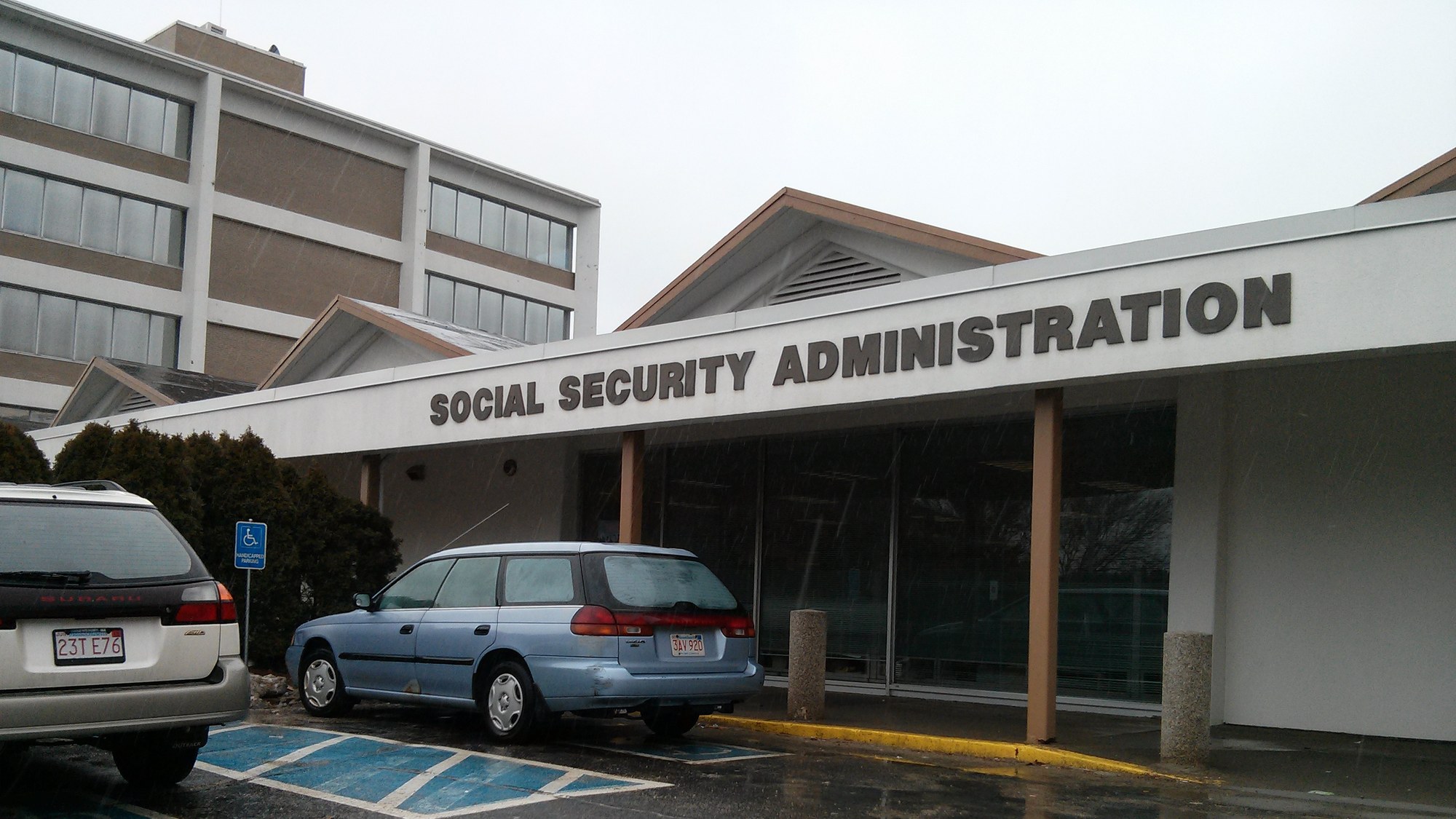
Divorce does not automatically cut off every tie to a former spouse’s Social Security record. When a former husband or wife dies, the person they divorced can, in the right circumstances, claim a survivor benefit based on that person’s earnings, even though the marriage ended years or decades earlier. The rule hinges on one number above all: how long the marriage lasted before it ended.
The Ten-Year Marriage Threshold
A divorced spouse may be eligible for a survivor benefit on a deceased former partner’s record if the marriage lasted at least ten years, according to the Social Security Administration’s survivor-eligibility guidance, which also notes that some valid non-marital legal relationships, such as certain relationships recognized under state law short of a formal marriage certificate, can satisfy the same standard. The ten years is measured against the marriage’s actual length before the divorce became final, not against how much time has passed since, so a marriage that ended nine years and eleven months after the wedding falls short no matter how long ago the divorce happened. That guidance adds an important carve-out: a surviving divorced spouse can qualify regardless of age or how long the marriage lasted if that person is caring for a child of the former spouse who died, a scenario the agency treats the same way it treats a currently-married surviving spouse in the identical situation.
Free retirement updates: A quiet rule change can shrink your Social Security or Medicare check, and no one warns you. The free Retirement Shield newsletter catches these early and tells you what to do. Get it free.
Why the Rule Still Applies After a Remarriage, on Either Side
The ten-year rule holds even if the former spouse who died had gone on to remarry, according to a Social Security blog post addressed to surviving spouses. The surviving divorced spouse’s own marital status matters more: that person generally must be single to collect, unless a later remarriage happened after turning 60, or 50 if disabled, in which case it does not affect eligibility. The child-in-care exception is specific, too. It applies when the surviving divorced spouse is caring for the deceased’s child who is younger than 16, or who developed a disability before age 22, and it removes both the age and marriage-length requirements that otherwise apply, meaning a divorced parent married for only a few years could still qualify while raising that child. The same post draws a clear line between this survivor claim and a different benefit entirely: Social Security notes it can pay a divorced-spouse benefit while a former spouse is still alive, a separate arrangement from the survivor benefit this article covers, which only becomes available once that former spouse has died.
How Remarriage Changes, or Restores, a Surviving Divorced Spouse’s Eligibility
Marital status carries specific weight in this calculation, and Social Security’s rules split sharply on the age at which a surviving divorced spouse remarries. Remarrying after age 60, or after age 50 while already entitled to benefits as a disabled surviving divorced spouse, does not affect eligibility for survivor benefits on the deceased former spouse’s record, according to the Social Security Administration’s program handbook on how remarriage affects widow(er)’s benefits. Remarry earlier than that, without already holding disabled-surviving-divorced-spouse status, and survivor benefits on the former spouse’s record stop for as long as the new marriage lasts. That is not necessarily permanent: if the later marriage itself ends, by death, divorce, or annulment, the surviving divorced spouse may become entitled or re-entitled to benefits on the original deceased spouse’s record, with payments starting the first month the later marriage ended, provided every other requirement is still met. A narrower version of the same rule covers people already collecting benefits as a disabled surviving divorced spouse: remarrying between ages 50 and 59 does not cut off that benefit, but only when the disability existed and the benefit was already in place before the new marriage happened, according to a Social Security blog post on how remarriage affects benefits. Because a new marriage can change eligibility in either direction, the same post tells anyone remarrying to report it directly to Social Security, since a benefit that has, in fact, stopped can otherwise turn into an overpayment the agency later has to recover.
Why This Claim Doesn’t Reduce What Anyone Else Receives
A surviving divorced spouse’s benefit is calculated the same way any survivor benefit is, running from 71.5% of the deceased’s benefit at age 60 up to 100% at survivor full retirement age, and it draws on a separate part of Social Security’s math than the payments made to a current spouse or to the deceased’s children, according to the agency’s survivor-benefit-amount guidance, which specifies that ex-spouses do not count toward the family maximum that can otherwise cap what a household collects. In practice, that means a former spouse’s claim does not shrink the check going to a surviving current spouse or to dependent children on the same record. A surviving divorced spouse who is also eligible for a retirement benefit on their own work record has the same flexibility other survivors have: Social Security pays whichever amount is higher, and a person can start with the survivor benefit and switch to their own retirement benefit later if it grows larger over time. A surviving divorced spouse who is 65 or older, or who has a disability or end-stage renal disease, may also qualify for Medicare tied to the same record.
How and When a Surviving Divorced Spouse Applies
The application path looks different depending on what a person was already receiving before the former spouse died. Someone who was already collecting a divorced-spouse benefit while the ex-spouse was alive is automatically converted to the survivor version once Social Security is notified of the death, with no new application required, the same Social Security blog post on losing a spouse explains. A person who was not already receiving anything on the former spouse’s record has to start the process directly, and that process cannot happen online: survivor claims, including those filed by a surviving divorced spouse, require calling 1-800-772-1213 to set up an appointment with a representative. The same call is also the place to raise the separate one-time lump-sum death payment, since that payment is never issued automatically and has its own filing deadline regardless of how the monthly survivor benefit is handled.
This article was produced with the assistance of AI and reviewed by The Financial Wire editorial team.
More Financial Reading
- What really happens to your joint savings account when you die?
- How many CDs can you park at 1 bank? FDIC rules you must know