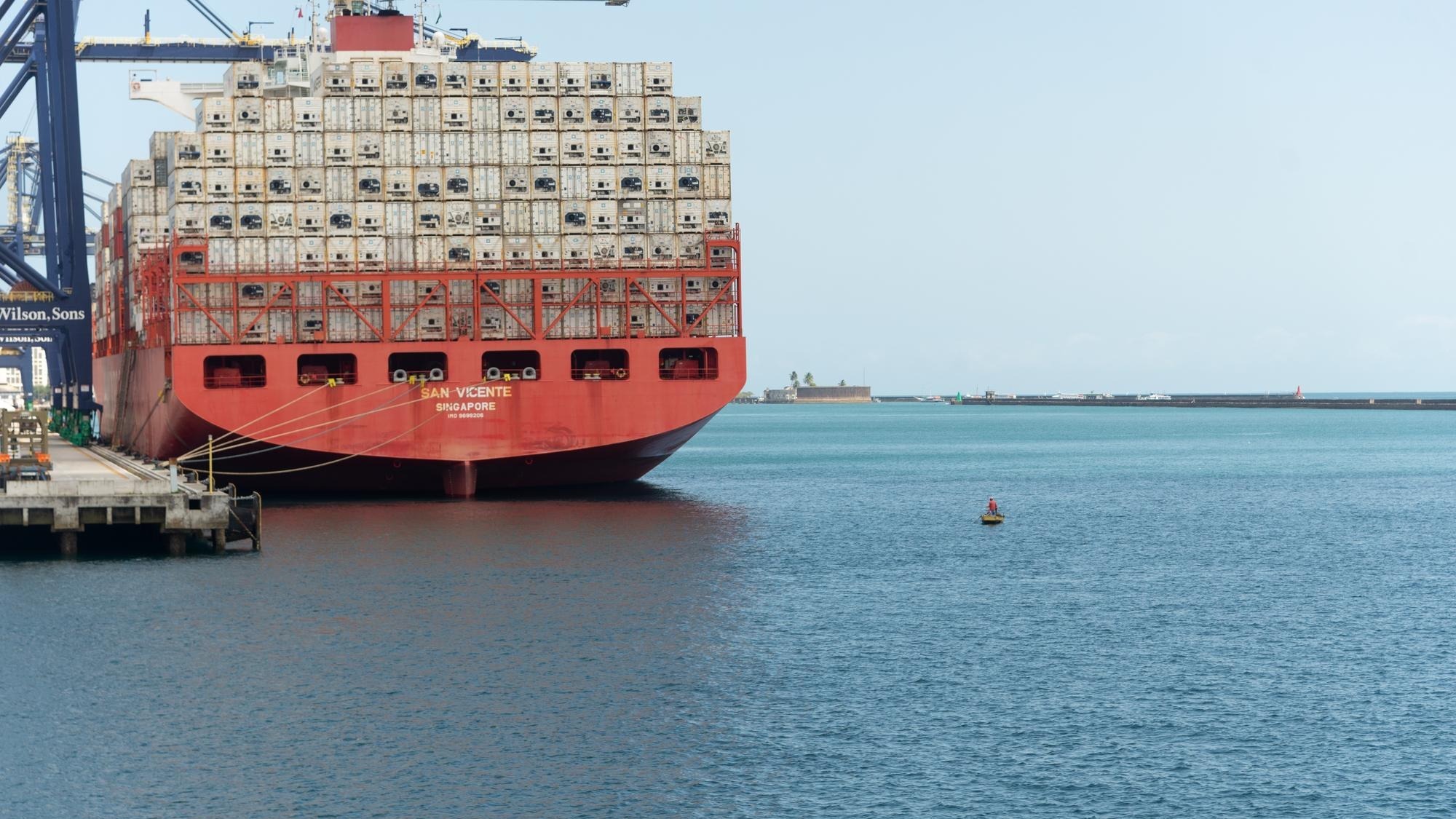
A sweeping new tariff order is now in effect on goods from 60 economies, and the rate a shipment pays comes down to a specific two-tier structure spelled out by name rather than a single blanket number. Households paying more for imported goods this fall are, in many cases, paying into this exact structure, which sorts trading partners into a lower tier and a higher one based on how each country handles a single underlying issue: forced labor in supply chains.
The Two-Tier Structure, Country by Country
The Office of the U.S. Trade Representative’s formal notice, published July 28, 2026, imposes a 10 percent tariff on goods from a specific named list: Argentina, Bangladesh, Cambodia, Canada, Ecuador, El Salvador, Guatemala, Honduras, India, Indonesia, Jordan, Malaysia, Mexico, Pakistan, Sri Lanka, Trinidad and Tobago, and the United Kingdom. A related, more technical treatment applies to the European Union, Taiwan, Japan, South Korea, and Switzerland, where the Section 301 tariff is calculated so the combined rate — existing most-favored-nation duty plus the new tariff — lands at either 10 percent or 12.5 percent depending on the trading partner, rather than stacking on top of whatever tariff already applied. Every other investigated economy, roughly three dozen more, is subject to a flat 12.5 percent rate. In total, 60 economies are covered by the action.
The rate a given country lands in is not arbitrary. USTR’s underlying investigations, opened in March 2026, examined whether each economy had imposed and effectively enforced a prohibition on importing goods made with forced labor. The 10 percent tier generally applies to economies that have put such a prohibition in place, made a formal commitment to one through a trade agreement, or enacted a partial regime addressing the issue; the 12.5 percent tier applies to economies that did neither.
When It Took Effect, and Why It Has No Expiration Date
The tariffs are not a future proposal — they became binding on goods entered for consumption on or after 12:01 a.m. Eastern time on July 24, 2026, with a narrow carve-out for goods already loaded on a vessel and in transit before that moment. That means the order has now been running for more than six weeks. Unlike a temporary quota or a tariff with a built-in sunset date, this action carries no expiration written into the notice. It remains in force under Section 301 of the Trade Act until USTR and the President determine that the underlying acts, policies, and practices the tariffs are meant to address — the failure to impose and enforce forced-labor import prohibitions — have been resolved, or until the action is otherwise modified.
Free retirement updates: Keep more of your Social Security and savings with plain-English updates on the changes, deadlines, and costly mistakes retirees miss. Subscribe free.
The Consumer-Cost Angle Behind the Trade Policy
Tariffs imposed under Section 301 are levied on the U.S. importer at the border, not on the foreign exporter, and importers routinely pass at least part of that added cost through to the retail price paid by American consumers. A 10 percent or 12.5 percent duty applied broadly across all products of an economy — rather than targeted at a narrow category of goods — has a wider reach into everyday household purchases than a typical sector-specific tariff, since it touches everything from consumer electronics to apparel to household goods sourced from the affected countries. For retirees and other households on fixed incomes, the practical effect shows up gradually, in the price tags on imported goods rather than in a single visible bill, which is part of why this kind of broad-based tariff action tends to be underappreciated as a driver of monthly budget pressure compared to more visible costs like gas or groceries.
The notice does carve out specific exemptions where the Trade Representative determined tariffs would be counterproductive: raw materials whose loss could disrupt domestic supply, products that cannot be grown or produced domestically in sufficient quantity, and other narrow categories identified in annexes to the notice. Those exemptions apply on a product-by-product, country-by-country basis rather than as a blanket carve-out, so the effective tariff burden varies not just by country but by the specific goods being imported.
What This Means Going Forward
Because the structure ties the tariff rate to each economy’s forced-labor enforcement status rather than to a fixed timeline, the rate a given country faces can still change if that country changes its own policy. The notice specifically flags that several economies — including Cambodia, Guatemala, Honduras, India, Sri Lanka, and Trinidad and Tobago — moved to impose new forced-labor import prohibitions after the initial proposal was published in June 2026, which is part of why the final list and rates differ somewhat from the original proposal. That built-in flexibility means the tariff map is not necessarily fixed for the long term, even though no formal end date exists today. For now, the practical reality for U.S. households is a live, two-tier tariff regime touching goods from 60 economies, already six weeks into enforcement, with no scheduled review date on the calendar.
This article was produced with the assistance of AI and reviewed by The Financial Wire editorial team.
More Financial Reading
- How many CDs can you park at 1 bank? FDIC rules you must know
- What really happens to your joint savings account when you die?


