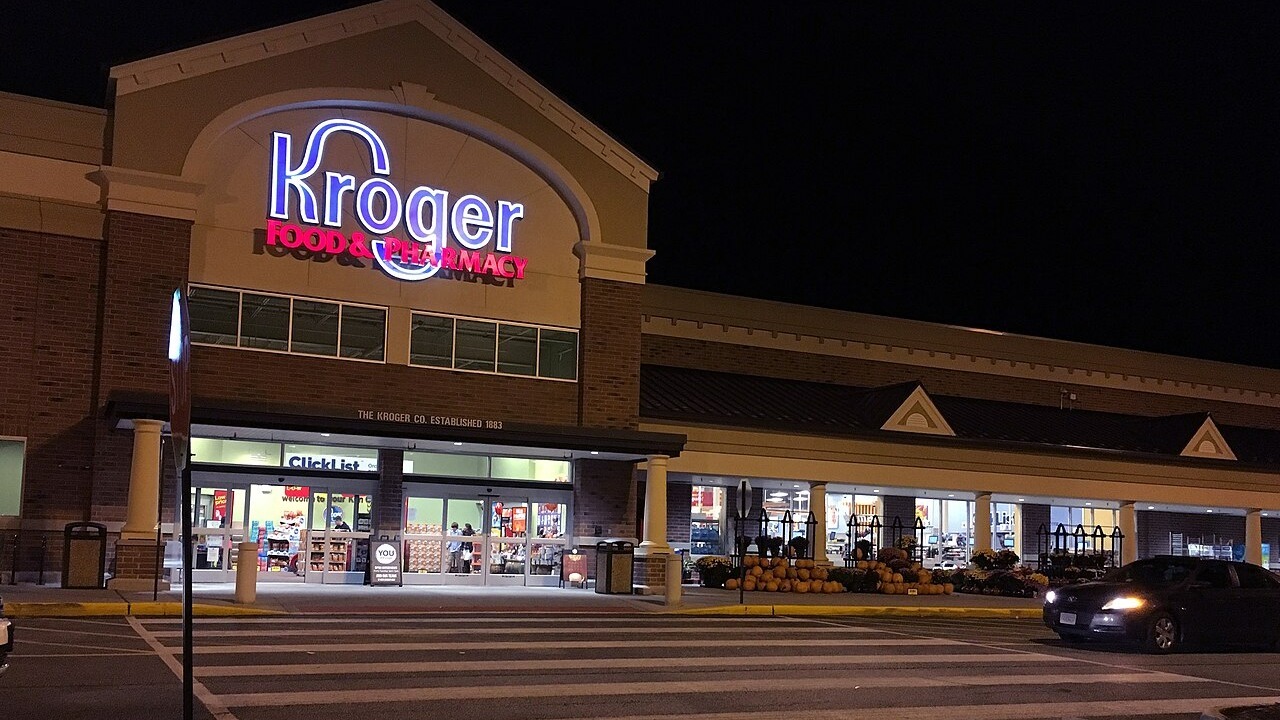
Millions of people who filled a prescription with insurance at a Kroger pharmacy over the last several years may be owed money, but unlike some recent settlements, this one requires actually filing a claim. A federal class-action settlement resolving Kirkbride v. The Kroger Co. covers anyone who paid for a prescription using insurance at a Kroger-owned pharmacy between December 9, 2018, and August 23, 2026, and the claims window closes December 21, 2026. For retirees who fill several prescriptions a month, even a modest per-claim payout is worth five minutes of paperwork.
What the Kroger Prescription-Pricing Lawsuit Alleged
The case centers on Kroger’s now-discontinued prescription savings club and how the company reported its “usual and customary” price for certain drugs to insurers and pharmacy benefit managers. The lawsuit alleged that Kroger’s reported usual-and-customary price did not reflect the lower price members of its savings club actually paid, which in turn affected the copay or coinsurance amount insured customers were charged at the register. Kroger has not admitted wrongdoing, and the settlement resolves the claims without a trial.
The settlement class is defined broadly: anyone who used health insurance to pay for a covered prescription at a Kroger-owned pharmacy, including its various regional banners, between December 9, 2018, and August 23, 2026, may be a class member. That is nearly an eight-year window, which means a large share of Kroger pharmacy customers on Medicare Part D or private insurance during that stretch could qualify.
Free retirement updates: Keep more of your Social Security and savings with plain-English updates on the changes, deadlines, and costly mistakes retirees miss. Subscribe free.
Why the Reported Price Mattered for Medicare Part D
For anyone on Medicare Part D, the usual-and-customary price a pharmacy reports is not just an accounting detail. It can factor into how a prescription’s cost is calculated against the plan’s deductible and coverage phases, and it directly sets the copay or coinsurance amount charged at the counter for many plans. If a pharmacy’s reported price ran higher than what savings-club members actually paid, the theory behind the lawsuit is that insured customers, including many Medicare beneficiaries, could have been charged more than the drug’s real cost to Kroger. That is the specific harm the settlement is meant to address, and it is also why the class period stretches across nearly every recent Medicare Part D plan year rather than covering just a single year of purchases.
Family members who handle prescriptions and paperwork for an aging parent are worth mentioning here too, since the class definition covers whoever paid for the prescription with insurance, not necessarily whoever physically picked it up at the counter.
The December 21 Claim Deadline, and Why This One Is Not Automatic
Unlike settlements that pay eligible members without any action, the Kroger settlement requires submitting a claim form through the official settlement website, krogersavingsclubsettlement.com, or by mail, and uploading or attaching supporting documentation where required. The claim form must be submitted, postmarked, or completed online no later than December 21, 2026. Filing after that date means forfeiting any payment from the settlement, regardless of how clearly a person’s pharmacy history matches the class definition.
The settlement website also lists earlier dates tied to the case that matter for anyone who wants to handle their claim differently. A class member who wants to opt out of the settlement entirely, preserving the right to sue Kroger separately, or who wants to formally object to the settlement terms, must do so by October 22, 2026, well ahead of the claims deadline. A fairness hearing where a judge will consider final approval of the settlement is scheduled for January 11, 2027, after the claims window has already closed.
How to Check Eligibility and File
Because the class period runs nearly eight years and covers multiple Kroger-owned pharmacy banners, the fastest way to check eligibility is to pull up old pharmacy receipts, insurance explanation-of-benefits statements, or a pharmacy’s own purchase history through its app or website, and confirm insurance, not cash, was used to pay for at least one prescription in the window. Kroger operates pharmacies under a number of regional names beyond the Kroger brand itself, so a purchase at an affiliated grocery pharmacy chain can still count.
The claim form itself asks for basic identifying information and, depending on the payment tier a class member selects, may ask for supporting documentation of specific prescription purchases. Filing without documentation is generally still possible under a simplified claim option, though the settlement administrator’s own instructions should be followed closely, since incomplete or unsigned claim forms risk being rejected during the review process.
Why a Claims-Made Settlement Rewards Acting Early
Settlements like this one are designed to pay out of a fixed fund, so the final amount an individual claimant receives can depend on how many other class members file valid claims before the deadline. Waiting until the final days before December 21 raises the odds of a rushed, incomplete submission, and it also removes any cushion for correcting an error the settlement administrator flags during review. Retirees managing several household prescriptions, or family caregivers filing on behalf of an aging parent’s pharmacy history, have the strongest incentive to file as soon as they confirm eligibility rather than treating the December deadline as a soft target.
This article was produced with the assistance of AI and reviewed by The Financial Wire editorial team.
More Financial Reading
- Adding someone to your bank account: tax traps and smart moves
- Bank statements: how long to keep them and when to toss them