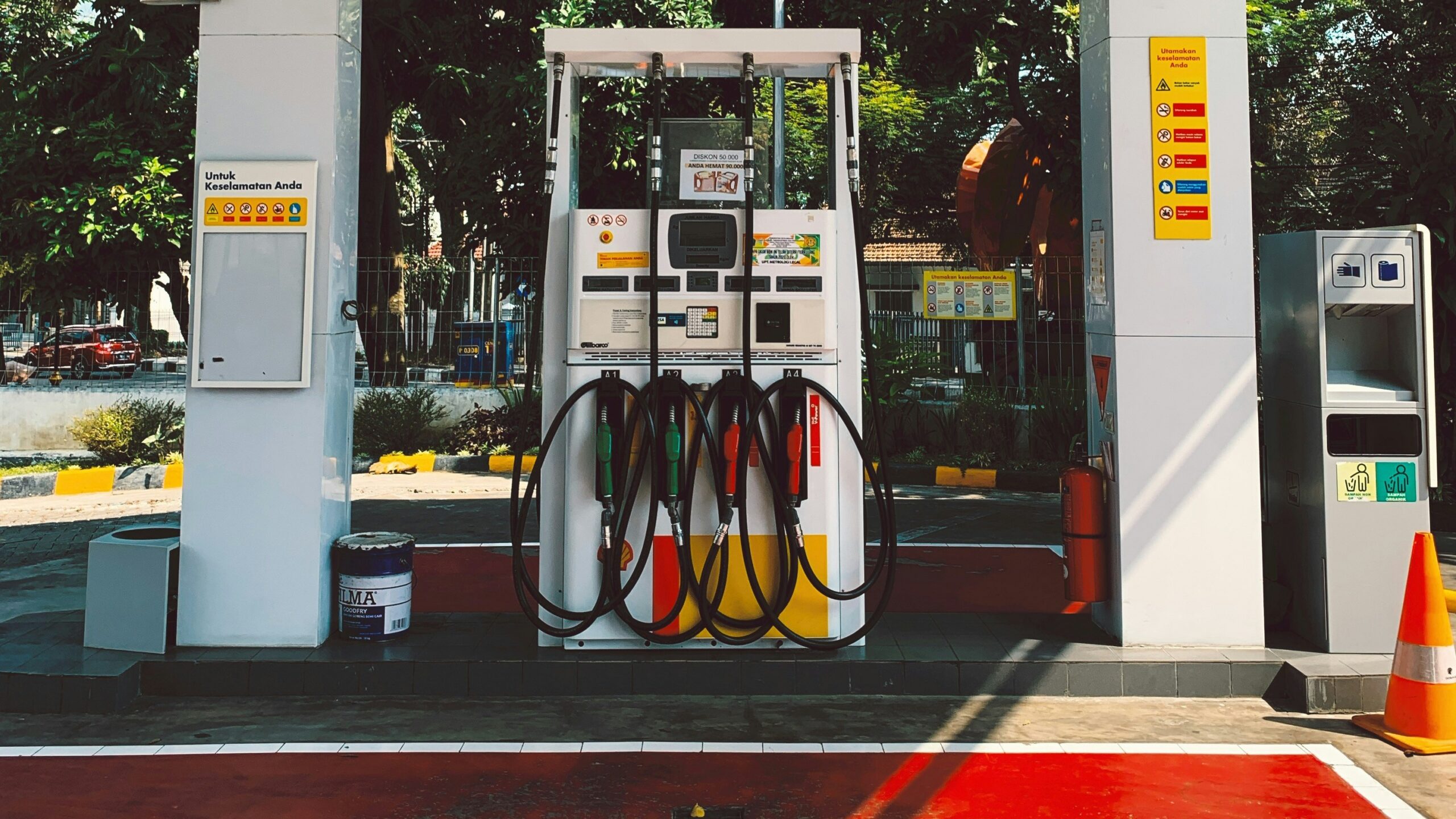
The number on the pump keeps climbing, and the ceiling is getting close. The national average price of regular gasoline reached $4.53 a gallon in late May 2026, according to the U.S. Energy Information Administration, leaving American drivers just 49 cents below the all-time record of roughly $5.02 set during the week of June 13, 2022. For a household running two cars and covering 1,000 miles a month, today’s prices mean about $80 more per month at the pump than a year ago, nearly $1,000 over the course of a year, on top of grocery bills, rent, and insurance premiums that have not come down either.
The latest lurch upward arrived alongside a geopolitical shock: crude oil futures surged approximately 4 percent in a single session after Iran’s navy seized two vessels near the Strait of Hormuz, the 21-mile-wide passage between Iran and Oman through which roughly one-fifth of the world’s daily oil supply travels. With Memorial Day weekend approaching and the peak summer driving season right behind it, the collision of rising seasonal demand and a fresh crisis in the Persian Gulf has put the 2022 record within reach before July.
What the price data actually shows
The EIA’s historical gasoline price series recorded a national average of $4.500 per gallon for the survey week ending May 11, 2026. A separate daily reading within the same reporting window showed $4.53, reflecting the slight lag between when stations update their signs and when the agency publishes aggregated figures.
The trajectory matters as much as the snapshot. Prices have not spiked overnight. They have ground higher week after week through the spring, adding more than 60 cents per gallon since March. For a driver with a 15-gallon tank, that is roughly $9 more per fill-up compared to two months ago.
In 2022, the record was driven largely by the fallout from Russia’s invasion of Ukraine and the sanctions that disrupted global crude flows. This time the pressure is coming from a different part of the map, but the underlying dynamic is familiar: a threat to a critical supply route forces markets to price in risk they had hoped was fading.
The Strait of Hormuz seizures
The Associated Press reported in May 2026 that Iran’s navy seized a commercial vessel near the Strait of Hormuz, with a second ship intercepted in the same stretch of water. Tankers carrying crude from Saudi Arabia, Iraq, the United Arab Emirates, Kuwait, and Qatar all funnel through the strait, making it the single most important oil-transit corridor on the planet. The EIA has estimated that about 21 million barrels per day move through the passage.
Verified details remain limited. No public statement from Tehran has explained the legal basis for the seizures, identified the cargo aboard either ship, or provided exact coordinates. Wire reports describe the events but do not include vessel-tracking data or direct quotes from Iranian naval authorities. That gap leaves room for competing interpretations: the seizures could be retaliatory, linked to sanctions enforcement disputes, or tied to commercial grievances unrelated to broader geopolitics.
The market reaction, however, was unambiguous. Oil traders bid up crude futures immediately, pricing in expectations of higher shipping insurance costs, possible tanker rerouting around the strait, and tighter physical supply if the standoff escalates. A roughly 4 percent single-session move in crude is not headline noise; it signals that traders see a material threat to supply.
Why the cause and effect is messier than it looks
Drawing a straight line from the ship seizures to the price on your local pump sign is tempting but incomplete. The EIA’s weekly survey window closes on Friday, so the $4.500 figure for the week of May 11 largely reflects prices gathered before the seizure news broke. The $4.53 daily reading captures a slightly later snapshot and may incorporate some of the initial market jolt, but neither the EIA nor the Department of Energy has publicly attributed the latest increase to the Hormuz incidents.
Gasoline prices respond to several forces at once. Spring is a heavy maintenance season for refineries as plants switch to summer-blend fuel. Inventory levels, the strength of the dollar, and baseline demand patterns that push consumption higher with warmer weather were all nudging prices upward before Iran made headlines. The Hormuz crisis layered new risk on top of pressures that were already building.
No primary source has published daily tanker transit data for the strait during the affected dates as of late May 2026. Maritime risk assessments describe heightened caution and possible rerouting, but there is no confirmed reduction in the volume of oil flowing through the passage. Until that data surfaces, it is difficult to say whether physical supply has actually been disrupted or whether the price move is driven entirely by the fear of disruption.
What drivers should watch next
Several factors will determine whether the national average crosses the $5.02 threshold in the coming weeks:
- Strait of Hormuz developments. Any escalation, whether additional seizures, military posturing by the U.S. Navy’s Fifth Fleet, or new sanctions, would likely push crude higher and pull gasoline prices along with it. A diplomatic resolution or de-escalation could have the opposite effect.
- Refinery output. U.S. refineries are completing spring maintenance and ramping up production of summer-grade fuel. A smooth transition would add supply and act as a partial brake on prices. Unexpected outages would remove that cushion.
- OPEC+ production decisions. The cartel and its allies have been managing output carefully. A signal that members will increase supply to offset Hormuz risk could calm markets; silence or further cuts would amplify the pressure.
- Summer travel demand. Memorial Day weekend traditionally marks the start of peak gasoline consumption. AAA and other travel forecasters have not yet released final projections for 2026, but strong travel numbers would add demand-side pressure on top of supply-side anxiety.
- Policy response. In 2022, the Biden administration authorized a historic release from the Strategic Petroleum Reserve to help cool prices. Whether the current administration considers a similar move, or any other intervention, could shape the trajectory in the weeks ahead. No such action has been announced as of late May 2026.
The regional picture is even sharper
The $4.53 national average masks wide variation. Drivers in California, where state taxes and environmental regulations add to the per-gallon cost, are already paying well above $5 at many stations. Parts of the Gulf Coast and the Midwest, closer to refining capacity, tend to run below the national figure. But the directional trend is the same everywhere: up, and accelerating.
That acceleration is what separates this moment from a routine spring price increase. In a normal year, gasoline climbs modestly between March and Memorial Day as refineries switch blends and demand ticks up. This year, the seasonal rise has been steeper than usual, and the Hormuz crisis has added a geopolitical accelerant that did not exist eight weeks ago.
How close the record really is
Strip away the geopolitics and the market mechanics, and the situation comes down to a simple, uncomfortable number: 49 cents. That is all that separates the current national average from a record that most Americans assumed was a one-time shock tied to a European land war. The unresolved standoff in the Strait of Hormuz adds a layer of supply risk that oil markets are clearly taking seriously. Whether that risk translates into an actual new record depends on developments that no one, from trading desks to the Pentagon, can predict with confidence. What every driver can see right now, every time they pull up to a pump, is that the margin for error has almost disappeared.

Vince Coyner is a serial entrepreneur with an MBA from Florida State. Business, finance and entrepreneurship have never been far from his mind, from starting a financial education program for middle and high school students twenty years ago to writing about American business titans more recently. Beyond business he writes about politics, culture and history.