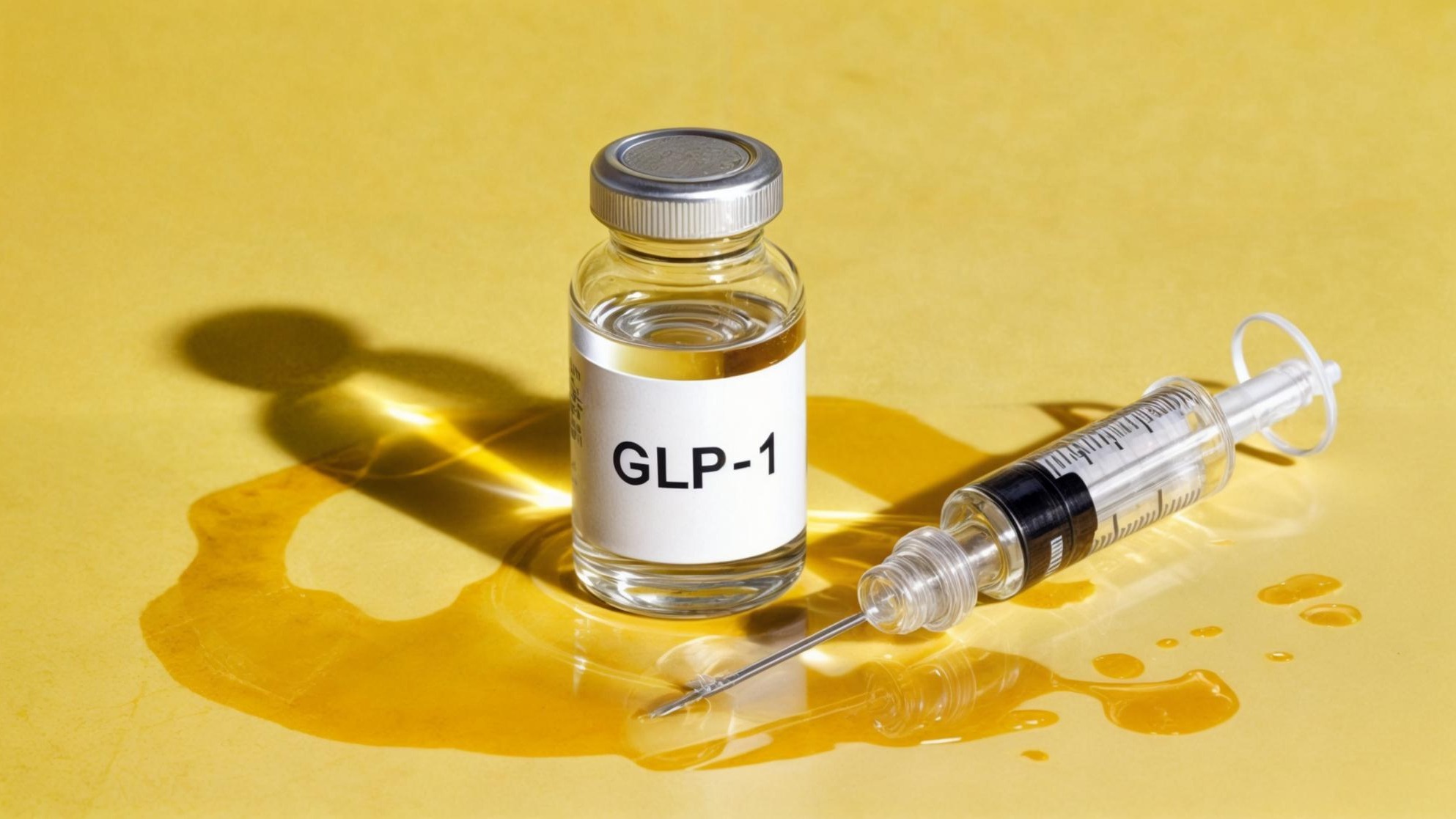
Until now, a Medicare enrollee who wanted Wegovy had two options: pay roughly $1,350 a month out of pocket or go without. On July 1, 2026, a third option arrives. Under a new federal demonstration called the Medicare GLP-1 Bridge, eligible Part D beneficiaries will be able to fill prescriptions for covered weight-loss GLP-1 medications and pay a flat $50 copay per month. For the more than 14 million Medicare enrollees estimated to have obesity, it is the first time the program has offered a realistic path to affording these drugs.
The Bridge, run by the Centers for Medicare & Medicaid Services, is a six-month demonstration covering three medications: Wegovy (semaglutide, made by Novo Nordisk), Zepbound (tirzepatide, made by Eli Lilly), and Foundayo (orforglipron, also from Eli Lilly). Wegovy and Zepbound are weekly injections. Foundayo is a daily oral tablet, which would give seniors a needle-free alternative. CMS has listed Foundayo as eligible for the Bridge, though the drug’s inclusion is contingent on FDA approval, which had not been finalized as of late May 2026.
Why Medicare never covered weight-loss drugs before
For decades, a provision in the Social Security Act barred Medicare Part D from covering medications prescribed solely for weight loss. Congress maintained that exclusion even as obesity rates among adults 65 and older climbed past 40%, according to federal health survey data from the CDC’s National Health and Nutrition Examination Survey. Recent legislation gave CMS the authority to run demonstration projects testing coverage of anti-obesity medications under Part D, and the GLP-1 Bridge is the first large-scale use of that authority.
The timing matters. The Inflation Reduction Act’s $2,000 annual out-of-pocket cap for Part D, which took effect in 2025, already changed the cost math for many seniors on expensive medications. But GLP-1 drugs prescribed for weight loss were still excluded from Part D formularies entirely, so the cap offered no help. The Bridge changes that by bringing these drugs into the coverage system for the first time.
How the Bridge works
Beneficiaries enrolled in a Medicare Part D plan who meet clinical criteria for obesity treatment can fill a prescription for one of the three covered drugs at a participating pharmacy and pay $50. CMS absorbs the difference between that copay and the drug’s negotiated price through the demonstration’s funding structure.
At published wholesale acquisition costs, Wegovy runs approximately $1,349 per month and Zepbound approximately $1,059 per month at maintenance doses, according to manufacturer pricing. Foundayo’s pricing has not been publicly set as of late May 2026. The gap between $50 and those figures is substantial, which is why the federal subsidy is central to making the program work.
CMS has framed the Bridge as a lead-in to a longer-term program. The agency’s BALANCE Model, a voluntary initiative designed to expand Part D access to high-impact medicines, is targeted to launch in January 2027, according to the agency’s innovation overview. That date is not finalized. The Bridge fills the six months between July 2026 and that broader rollout, giving CMS a window to test pharmacy operations, measure enrollment, and surface problems before committing to a permanent structure.
What seniors need to know right now
CMS has not yet published a detailed enrollment guide, but the broad eligibility requirements are clear. You must be enrolled in a Medicare Part D plan, including Part D coverage through a Medicare Advantage plan, and have a clinical indication for obesity treatment. That typically means a body mass index of 30 or higher, or 27 or higher with at least one weight-related condition such as type 2 diabetes, hypertension, or high cholesterol.
The prescription must come from a licensed provider, and the medication must be filled at a pharmacy participating in the demonstration. CMS has not released a list of participating pharmacies yet, so beneficiaries should monitor the agency’s Bridge program page for updates as the July 1 launch approaches. Calling your Part D plan directly is a practical first step. Plans will need to confirm whether they are participating and what prior authorization steps, if any, are required.
One important distinction: the Bridge covers GLP-1 drugs prescribed for obesity, not for diabetes. Seniors already taking Ozempic or Mounjaro for type 2 diabetes are on a different coverage pathway. Those drugs are already covered under Part D for their approved diabetes indications. The Bridge does not change that coverage, and it does not allow seniors to switch from a diabetes-indicated GLP-1 to a weight-loss-indicated one solely to access the $50 copay.
Open questions that could shape the program’s reach
Supply. GLP-1 drug shortages have been a recurring problem since 2023, driven by surging demand that outpaced manufacturing capacity. Both Novo Nordisk and Eli Lilly have invested billions in expanding production, and the FDA has noted improvements in supply for several dosage strengths. But adding millions of Medicare beneficiaries to the demand pool could strain availability again, particularly for starter doses. CMS has not publicly addressed how the Bridge will handle supply constraints or whether it has secured commitments from manufacturers to prioritize Medicare volume.
Geographic access. Seniors in rural areas already face fewer pharmacies and fewer providers who prescribe GLP-1 drugs. CMS has not detailed whether the Bridge will include targeted outreach to underserved communities, expanded telehealth prescribing options, or incentives for pharmacies in low-access regions. Without those measures, a program designed to lower costs could still leave behind the beneficiaries who need it most.
Plan-level variation. CMS has not fully explained how Part D plans will be reimbursed for the gap between the $50 copay and the drug’s actual cost, or how utilization management tools like prior authorization and step therapy will be handled across plans. If plans set different hurdles, access could vary significantly depending on which plan a senior is enrolled in and which state they live in.
Continuity after December 2026. The Bridge expires at the end of its six-month window. Patients who start a GLP-1 medication in July will be mid-treatment when the program ends. If the BALANCE Model launches on schedule in January 2027, the transition may be seamless. If it is delayed, seniors could face a sudden return to unaffordable prices, raising serious questions about treatment continuity. Clinical evidence suggests that stopping GLP-1 medications leads to significant weight regain, and for patients with obesity-related cardiovascular risk, that interruption carries real health consequences.
Safety profile of Foundayo in older adults. CMS lists Foundayo as eligible for the Bridge, but the drug’s track record in seniors managing multiple chronic conditions, including cardiovascular disease, kidney impairment, and the complexity of multiple medications, has not been separately documented in public FDA records as of late May 2026. Clinicians may be cautious about prescribing a newly approved oral GLP-1 to this population until more post-market data emerge, which could limit real-world uptake of the pill option during the Bridge period.
What the Bridge tells us about where Medicare is headed on obesity coverage
The GLP-1 Bridge is a tightly scoped experiment, but its implications reach well beyond six months. If enrollment is strong and early data show measurable improvements in weight-related health outcomes, CMS will have a powerful case for making GLP-1 coverage a permanent Part D benefit under the BALANCE Model or a successor program. If the Bridge exposes logistical failures, equity gaps, or costs that exceed projections, those findings will shape how aggressively Medicare moves on obesity treatment for years to come.
For now, the practical takeaway is concrete. Starting July 1, 2026, seniors with obesity who are enrolled in Medicare Part D can expect to pay $50 a month for drugs that previously cost more than most of them could afford. Whether the program delivers on its broader promise depends on the details CMS has yet to release and the decisions Part D plans make in the weeks ahead.