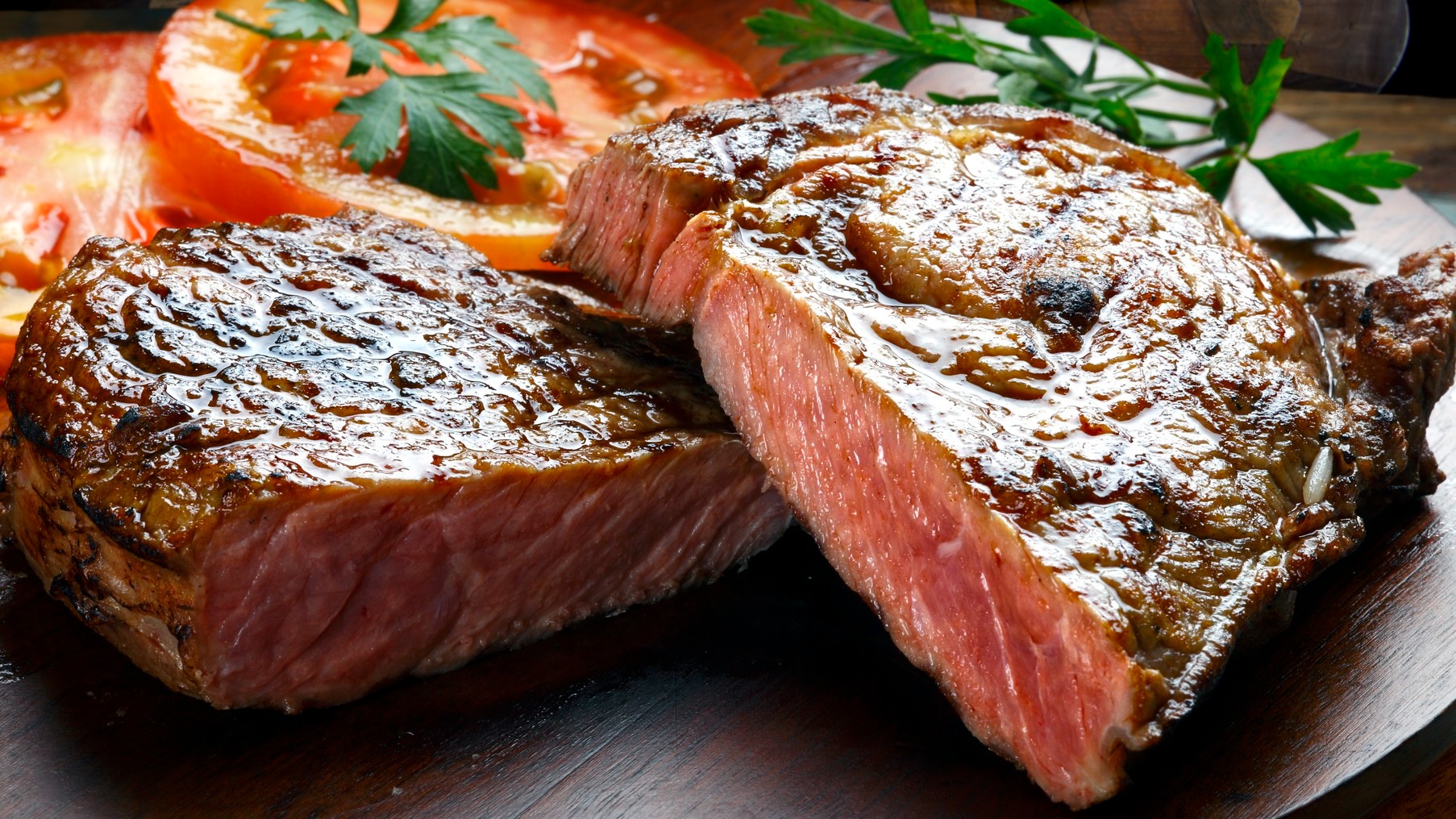
Memorial Day is 10 days out, and the centerpiece of millions of backyard cookouts just hit a price never seen before. The national average for uncooked beef steak reached $12.74 per pound in the most recent reading from the Bureau of Labor Statistics, the highest figure in the agency’s decades-long tracking history. Pair that with rising costs for buns, cheese, chips, and produce, and a cookout spread for 10 people now runs roughly $103, according to the American Farm Bureau Federation’s annual grocery-price survey. The holiday meal that once doubled as a bargain is becoming a line item families have to plan around.
How the record shows up in federal data
The BLS collects average retail prices for hundreds of grocery staples through the same program that feeds the Consumer Price Index. Its beef steak series (APU0000FC3101), republished by the Federal Reserve Bank of St. Louis, shows the national average crossing $12.74 per pound in its latest available monthly reading. That eclipses the previous peak set during the post-pandemic supply crunch of 2021 and 2022, when shrinking cattle herds and processing bottlenecks drove a sharp run-up.
For context, the same series sat near $8.50 per pound as recently as 2019. A family buying three pounds of steak for a holiday cookout is now paying roughly $12 more than it would have six years ago, before adding anything else to the cart.
Where the $103 cookout estimate comes from
Each year the American Farm Bureau Federation surveys retail prices nationwide and assembles a representative holiday basket: steak or ground beef, chicken breasts, hamburger buns, cheese slices, chips, potato salad, strawberries, lemonade, and other cookout staples. The organization’s methodology mirrors what a shopper would actually load into a cart for a gathering of 10. The roughly $103 total reflects the cumulative drag of record beef prices plus steady increases in dairy, produce, and packaged sides.
The exact bill depends on choices. A menu built around ribeyes will land well above $103; one that mixes in ground beef patties or chicken thighs can come in noticeably lower. Store-brand buns, homemade potato salad, and tap water instead of bottled lemonade shave dollars fast. Think of the $103 figure as a useful benchmark for a typical spread, not a fixed receipt every family will face.
Why steak keeps climbing
The U.S. cattle herd has been contracting for several years, squeezed by persistent drought across major ranching states and elevated feed costs that discouraged producers from rebuilding. The USDA’s semiannual Cattle report showed the national herd falling to its smallest size in more than seven decades, tightening the flow of animals to meatpackers. Fewer cattle at auction means packers compete harder for each head, and those higher procurement costs eventually land on the retail shelf.
The USDA’s Economic Research Service Meat Price Spreads data put numbers on the widening gap. In recent monthly releases, the farm value of a pound of retail beef has hovered near $2.00 to $2.10, while the wholesale-to-retail spread has climbed above $3.50 per pound. That means the combined margins captured after the animal leaves the ranch now account for a larger share of the final sticker price than at any point in the previous decade.
“When the farm-to-retail spread grows faster than the farm value itself, it tells you the cost increases are not just about scarce cattle,” Scott Brown, an agricultural economist at the University of Missouri, told reporters earlier this year. “Processing, labor, and retail overhead are all layered on top.”
Grocers and processors point to rising labor, transportation, and energy expenses. Some agricultural economists counter that consolidation in the meatpacking industry gives a handful of large companies outsized pricing power. The reality likely involves all of these forces at once, and the record has been building over multiple years rather than arriving in a single shock.
The squeeze at every link in the chain
Feedlot operators say the math is straightforward. Running fewer head through a plant while fixed costs hold steady means each pound of beef has to carry more overhead. On the retail side, grocery meat departments face their own balancing act heading into Memorial Day. Stores commonly run a loss leader on one cut, perhaps a Choice sirloin, to pull shoppers through the door, while premium cuts like ribeye and New York strip are priced to protect margins.
Consumers are adjusting in real time. Mixing proteins, swapping half the steak order for chicken fajita meat or pork, has become a common strategy for hosts trying to feed a crowd without doubling the grocery bill. “You just have to be creative,” is a refrain butchers and meat-counter workers say they hear almost daily in the weeks before the holiday.
Chicken, pork, and the rest of the cart
Steak grabs the headline, but it is not the only protein under pressure. BLS data show boneless chicken breast prices remain elevated compared to pre-pandemic levels, though they have pulled back from their 2023 highs. Pork chops have been more stable, making them a popular swap for budget-conscious grillers. Eggs, which dominated grocery inflation headlines over the past year after successive avian influenza outbreaks disrupted flocks, have also added to the cost of side dishes like deviled eggs and potato salad.
Produce tells a mixed story. Seasonal strawberries and corn on the cob tend to drop in price as summer supply ramps up, offering one bright spot for holiday shoppers. Condiments, buns, and chips have seen modest increases tied to broader food-price inflation, but nothing close to the steak spike.
Practical ways to trim the tab
Families determined to keep the grill lit without blowing past $103 have several levers to pull:
- Mix proteins. Replacing half the steak with marinated chicken thighs or pork shoulder can save $15 to $20 for a party of 10 without sacrificing flavor.
- Buy the whole cut. A whole sirloin tip or tri-tip roast is often cheaper per pound than pre-cut steaks. Slicing it at home takes five minutes and a sharp knife.
- Shop loss leaders. Grocery chains frequently discount one marquee protein the week before Memorial Day to drive foot traffic. Checking weekly circulars or store apps can reveal deals that beat the national average by $2 to $3 per pound.
- Go potluck. Asking guests to bring a side dish or dessert spreads the cost and usually results in a more interesting table.
- Watch unit prices. Larger “family pack” trays of steak often carry a lower per-pound price than individually wrapped cuts, even at the same store.
What the record signals for the rest of grilling season
Memorial Day traditionally kicks off three months of peak grilling, and the prices families see now tend to set expectations through July Fourth and Labor Day. Most USDA forecasts suggest the cattle herd will remain tight through summer, meaning steak prices are unlikely to retreat meaningfully before fall. Herd rebuilding is a slow process; ranchers need two to three years of favorable conditions before significantly more cattle reach market weight.
None of that means every cookout has to break the bank. The $12.74 record is real, well-documented, and worth planning around. But flexible menus, smart shopping, and a willingness to look past the ribeye case can still deliver a Memorial Day worth firing up the grill for.

Paul Anderson is a finance writer and editor at The Financial Wire. He has spent seven years writing about investment strategies and the global economy for digital publications across the US and UK. His work focuses on making sense of economic policy, cost-of-living issues, and the stories that affect everyday Americans.