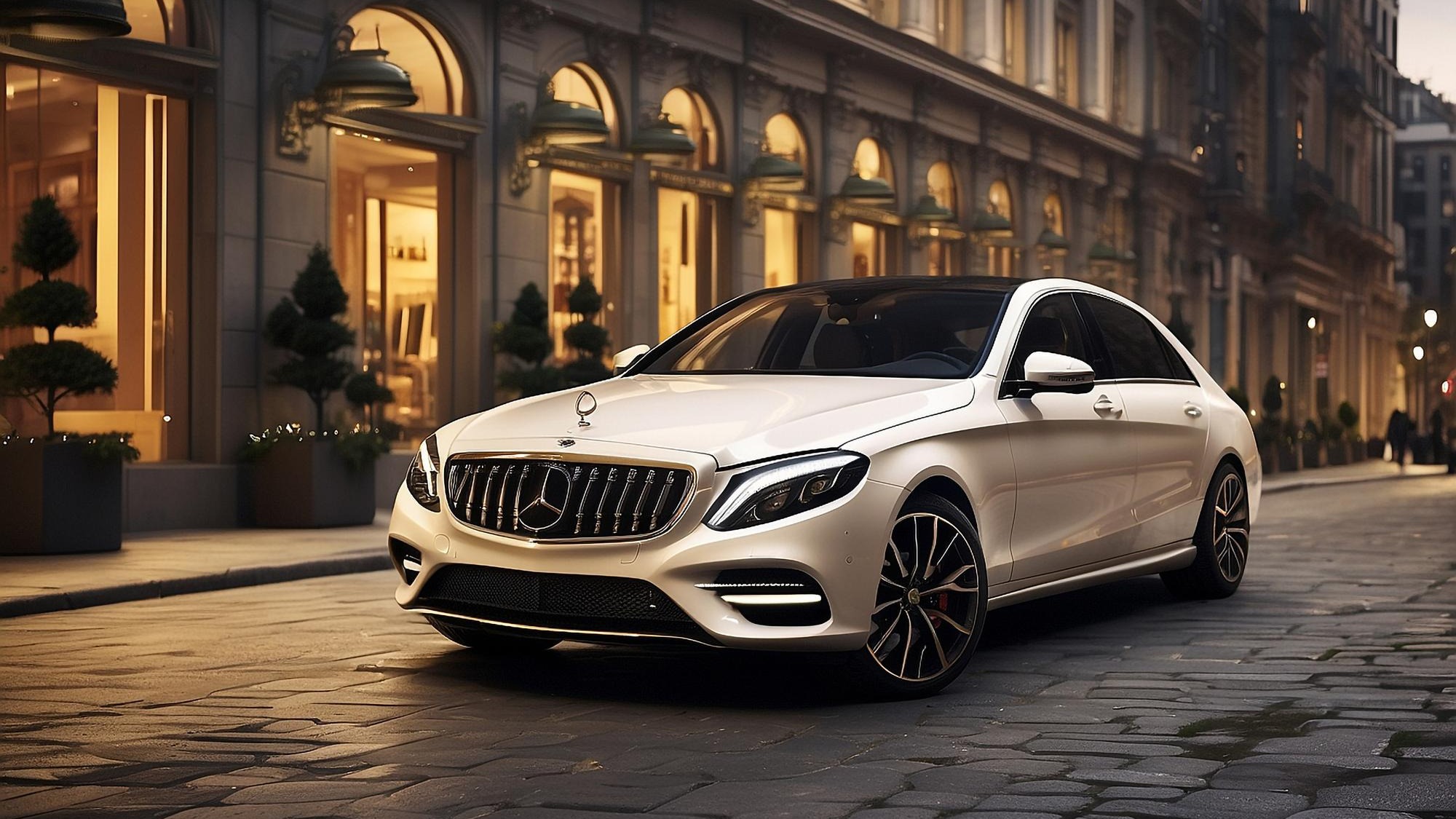
Owners of certain Mercedes-Benz diesel vehicles built between 2008 and 2016 were eligible for a $2,000 cash payment as part of a multistate legal settlement accusing Mercedes and its parent company, Daimler AG, of rigging emissions controls on what the EPA has estimated to be roughly 250,000 diesel cars and SUVs sold in the United States. The catch: claims had to be filed by September 30, 2025. That deadline has now passed, but the free emissions repair mandated by federal regulators remains available, and understanding the settlement still matters for anyone who owns or is shopping for one of these vehicles.
Why Mercedes is writing checks
The settlement stems from allegations that Mercedes installed undisclosed software in diesel vehicles sold under the BlueTEC badge, allowing them to pass laboratory emissions tests while producing significantly higher levels of nitrogen oxide pollution on the road. Regulators classify these as “defeat devices,” the same term applied in the Volkswagen diesel scandal that erupted in 2015. The Mercedes case drew far less public attention, but the underlying accusation was similar: the cars were dirtier in real-world driving than their certification results suggested.
Two separate but related legal actions addressed the problem.
On the federal side, the U.S. Environmental Protection Agency, the Department of Justice, the California Air Resources Board, Daimler AG, and Mercedes-Benz USA reached a Clean Air Act civil settlement filed in September 2020 and entered by the court in March 2021. That deal imposed an $875 million package covering civil penalties, emissions mitigation projects, and the cost of recalling and repairing affected vehicles. It also created the Approved Emission Modifications (AEM) program, which assigns each affected vehicle to a specific repair category and prescribes the software or hardware changes needed to bring it into compliance.
On the consumer side, a coalition of state attorneys general secured a separate $149.6 million multistate settlement. Washington State Attorney General Bob Ferguson, one of the lead negotiators, announced that the deal covers approximately 211,000 vehicles from model years 2008 through 2016 and provides both the $2,000 per-vehicle incentive payment and an extended warranty on emissions-related components once the repair is completed. “This settlement holds Mercedes-Benz accountable for cheating on emissions tests and puts money back in the pockets of consumers who were deceived,” Ferguson said in the announcement.
Which vehicles qualify and how the claim process worked
The settlement covers Mercedes-Benz diesel models from the 2008 through 2016 model years. While the legal documents do not publish a complete VIN-level list, the affected vehicles are generally the BlueTEC-branded diesel variants, including models such as the ML350, GL350, E250, GLE300d, GLS350d, C250d, and S350d, among others. The most reliable way to confirm whether a specific vehicle is covered is to check the official portal at MBAEMIncentive.com or contact an authorized Mercedes-Benz dealer.
Before the September 30, 2025 deadline, the process worked like this:
- Verify eligibility. Visit MBAEMIncentive.com or call a local Mercedes-Benz dealer to confirm the vehicle is part of the settlement.
- Schedule the repair. Book an appointment at an authorized Mercedes-Benz dealership. The emissions modification is performed at no cost to the owner.
- Submit the claim. After the repair, file documentation through the MBAEMIncentive.com portal to receive the $2,000 payment.
- Meet the deadline. Claims had to be submitted by September 30, 2025. After that date, the $2,000 incentive was no longer available.
Notably, the payment was not restricted to original purchasers. Second and third owners of eligible vehicles could also claim the incentive because it was tied to the vehicle, not the original buyer. However, the multistate agreement was negotiated by a specific group of state attorneys general, and owners in non-participating states were advised to verify eligibility through the claims site, since coverage varied by jurisdiction.
What the federal settlement requires
The federal consent decree operates independently of the $2,000 state incentive, and its obligations did not expire in September 2025. Under the EPA agreement, Mercedes is legally required to recall and repair all affected diesel vehicles regardless of whether owners ever filed a state claim. The AEM program sorts vehicles into different Emission Modification Category groups, each with its own prescribed fix. Some vehicles need only a software update; others require hardware changes as well.
The EPA’s settlement FAQ page explains the regulatory basis for the case, outlines what owners can expect at the dealership, and describes the extended warranty that applies after the modification is installed. That warranty covers emissions-related components for a specified period beyond the original factory coverage, giving owners added protection against repair costs tied to the modified systems.
Mercedes also agreed to fund environmental mitigation projects and to submit to ongoing EPA monitoring to verify that the repairs actually reduce real-world emissions. The company did not admit to violating the Clean Air Act as part of the settlement, which is standard in negotiated consent decrees.
What owners should still know as of June 2026
Several important questions remain open. Neither the EPA nor the participating state attorneys general have released data on how many owners completed the repair or filed claims for the $2,000 payment before the deadline. Without those numbers, it is impossible to gauge whether the incentive was effective at driving participation or whether tens of thousands of eligible vehicles remain unrepaired.
There is also no official data on how the emissions modifications affect day-to-day driving. Owner forums contain scattered reports about changes in fuel economy, throttle response, or diesel particulate filter behavior after the repair, but none of that is part of the verified enforcement record. The EPA has not published quantified emissions reductions achieved by the program so far.
The discrepancy between the state figure of 211,000 affected vehicles and the broader federal estimate of approximately 250,000 (a figure drawn from EPA enforcement materials, not a precise count published on the agency’s FAQ page) has not been formally reconciled. The gap likely reflects different counting methods: the state total may include only vehicles registered in participating jurisdictions, while the federal number covers all U.S. vehicles subject to the consent decree. For individual owners, the distinction matters less than whether their specific VIN appears in the system.
Owners who missed the September 30, 2025 claim deadline should still contact an authorized Mercedes-Benz dealer. The free emissions repair is a federal mandate and should remain available. The $2,000 cash incentive, however, was a product of the state settlement and is no longer being paid out. Whether any unclaimed funds will be redistributed or returned to the settling states has not been publicly disclosed.
Why this still matters for used-car buyers and state inspections
Even with the cash incentive off the table, the settlement has lasting implications for anyone buying or selling a used Mercedes diesel from this era. A vehicle that has not yet received its emissions modification may still be subject to the federal recall, and in states with emissions testing, an unrepaired car could fail inspection. Neither Mercedes nor the EPA has published guidance on whether the repair itself triggers a check-engine-light reset or temporarily affects a vehicle’s readiness status for state inspection monitors, so owners in states that require OBD-II readiness should ask the dealer what to expect before and after the modification. The extended warranty on emissions components only kicks in after the dealer completes the prescribed fix, so skipping the repair means forfeiting that coverage too.
For sellers, a completed AEM repair and the associated warranty documentation can be a selling point. For buyers, checking whether the work has been done is as simple as entering the VIN at MBAEMIncentive.com or asking the dealer to pull the vehicle’s service history. In a used-car market where diesel SUVs from this generation still command solid prices, knowing the emissions status of the vehicle is worth the two minutes it takes to look it up.


