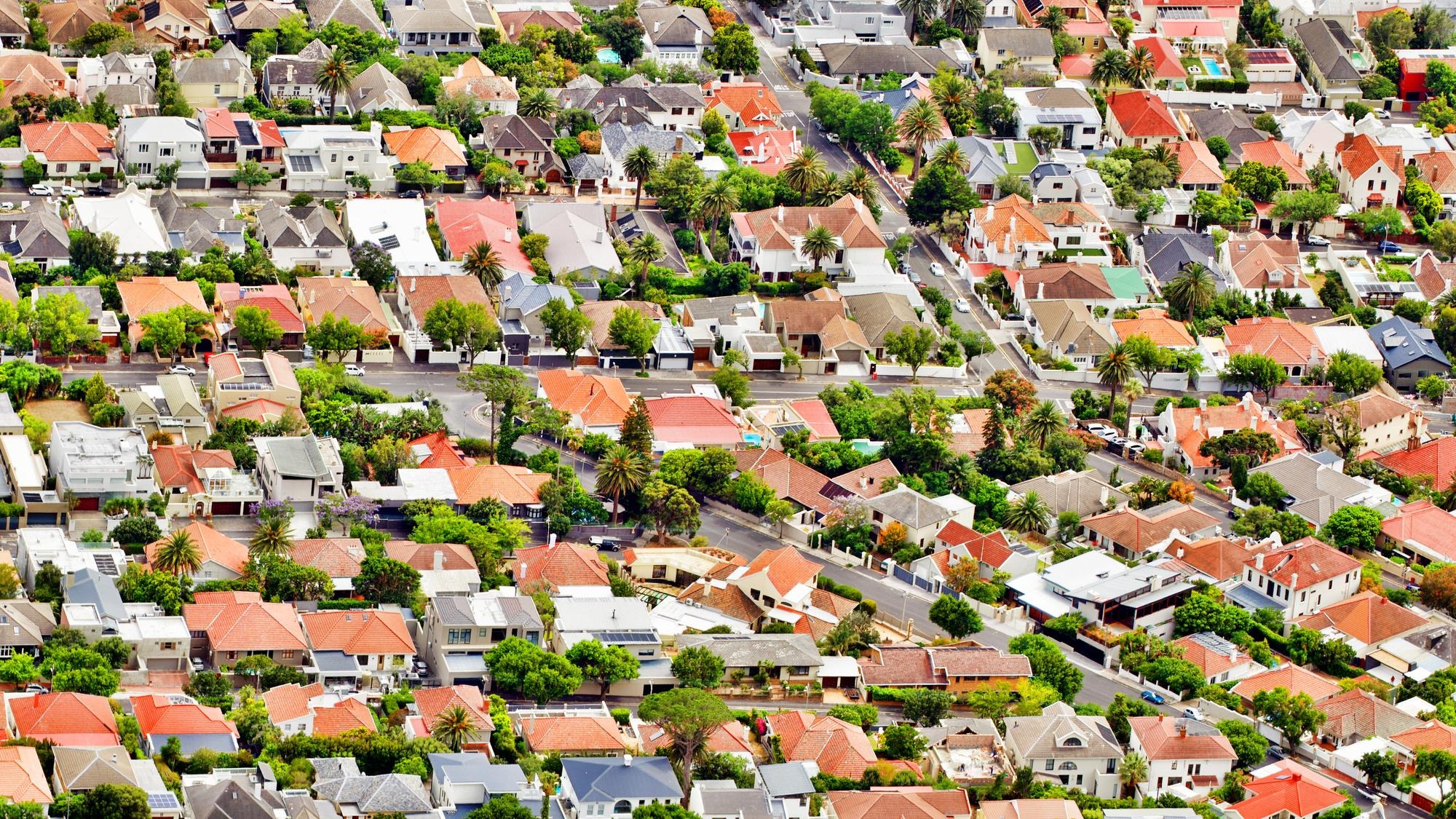
A buyer closing on a $400,000 home this weekend will pay about $150 more each month than someone who locked in a rate late last year. That is not a typo, and it is not a rounding error. It is the cost of borrowing money in a bond market that just crossed a line Wall Street has been watching for months.
New 30-year fixed mortgages are showing up on daily lender rate sheets near 6.55%, the highest level since March 2026. The trigger: the 30-year Treasury yield punched through 5% on the government’s par yield curve, a threshold it had not breached since early spring. The timing could hardly be worse, landing just as the summer buying season picks up speed.
Where the numbers stand right now
The Treasury Department’s daily par yield curve puts the 30-year constant maturity rate above 5%. The Federal Reserve’s DGS30 series, published through the St. Louis Fed’s FRED database, confirms the move, and the Fed’s H.15 Selected Interest Rates release from May 15, 2026, reports the same constant-maturity yields that banks and nonbank lenders feed into their pricing engines each morning.
On the mortgage side, the Associated Press reported that Freddie Mac’s weekly Primary Mortgage Market Survey placed the average 30-year fixed at 6.38%, the highest reading in more than six months. That survey captures rates through Wednesday and typically trails daily lender pricing by a day or two. The gap between 6.38% and the 6.55% showing up on Friday rate sheets tells you how fast bond yields moved in the back half of the week.
For perspective, the 30-year fixed peaked near 7.79% in October 2023, according to Freddie Mac’s survey history. Rates then drifted lower through much of 2024 and into early 2025, briefly touching the low 6% range. The current jump erases a good chunk of that relief.
Why yields are climbing
There is no single headline event behind the 30-year Treasury’s push past 5%. Neither the Treasury Department nor the Federal Reserve has pointed to a specific cause. But several forces are pulling in the same direction at once.
Persistent federal deficits have swelled the supply of long-dated government debt. At the same time, foreign central banks have been gradually trimming their Treasury holdings, a trend visible in the Treasury Department’s monthly Treasury International Capital (TIC) reports, which track foreign purchases and sales of U.S. securities. The March 2026 TIC data, the most recent available, showed net foreign selling of long-term Treasuries continuing a pattern that has persisted for several consecutive months. That means more bonds hitting the market with somewhat fewer large, price-insensitive buyers to absorb them.
Inflation expectations are also creeping higher. The breakeven rates embedded in Treasury Inflation-Protected Securities suggest bond investors are not fully convinced that price pressures have faded. And the Federal Reserve’s own policy stance adds weight: the fed funds rate remains elevated, and futures markets tracked by CME Group’s FedWatch tool have pushed back expectations for the next rate cut. When traders price in “higher for longer” short-term rates, long-term yields tend to follow. Mortgage rates ride that current upward.
What 6.55% actually costs a borrower
On a $400,000 loan, the difference between 6.55% and the roughly 6% rates available in parts of late 2025 works out to more than $150 a month in principal and interest, or about $1,800 a year. Over the first five years of the loan, that adds up to nearly $9,000 in extra interest before any refinancing opportunity arrives. For a buyer stretching to qualify, those additional dollars can shrink purchasing power by tens of thousands on the maximum home price a lender will approve.
The squeeze extends beyond new purchases. Homeowners who bought in 2023 or 2024 hoping to refinance into lower rates are now further from that goal than they were six months ago. Economists call this the “rate lock-in effect”: owners sitting on mortgages in the 3% to 4% range from the pandemic era have little incentive to sell and take on a new loan above 6%. The result is a supply bottleneck. Fewer existing homes hit the market, which keeps prices elevated and makes affordability even harder for first-time buyers. With the 30-year fixed well above 6%, that bottleneck shows no sign of loosening.
What the data has not caught up to yet
A few caveats matter here. The 6.55% figure comes from daily lender rate sheets, not a single institutional survey, and individual quotes will vary with credit score, down payment size, and loan type. Until Freddie Mac publishes its next weekly survey, the precise national weekend average is an informed estimate rather than a locked benchmark.
Demand-side data is also running behind. The Mortgage Bankers Association’s weekly application index, which would reveal whether the rate spike is already scaring off buyers, has not yet covered this window. Lock activity, denial rates, and any ripple effects on home prices or listing behavior will take at least one more reporting cycle to surface. In short, we know what rates are doing; we do not yet know how buyers are responding.
How borrowers can protect themselves before the June 2026 Fed meeting
Rate swings this sharp reward preparation more than prediction. Borrowers who are pre-approved and ready to move can ask lenders about float-down provisions, contract clauses that allow a locked rate to drop if the market improves before closing. Shopping across at least three lenders remains one of the most reliable ways to shave an eighth to a quarter of a percentage point off a quote, according to the Consumer Financial Protection Bureau.
For buyers who are not on a tight deadline, the direction of travel matters more than any single weekend’s number. Government bond data and the H.15 release confirm that the cost of long-term money has risen, and Freddie Mac’s survey shows lenders are passing that increase through quickly. Whether this is a temporary spike tied to a rough stretch in the bond market or the opening leg of a longer climb will depend on incoming inflation data, Treasury auction results, and whatever the Federal Reserve signals at its next policy meeting in June 2026. Until then, 6.55% is the price of buying a home this weekend, and every borrower shopping right now should plan accordingly.