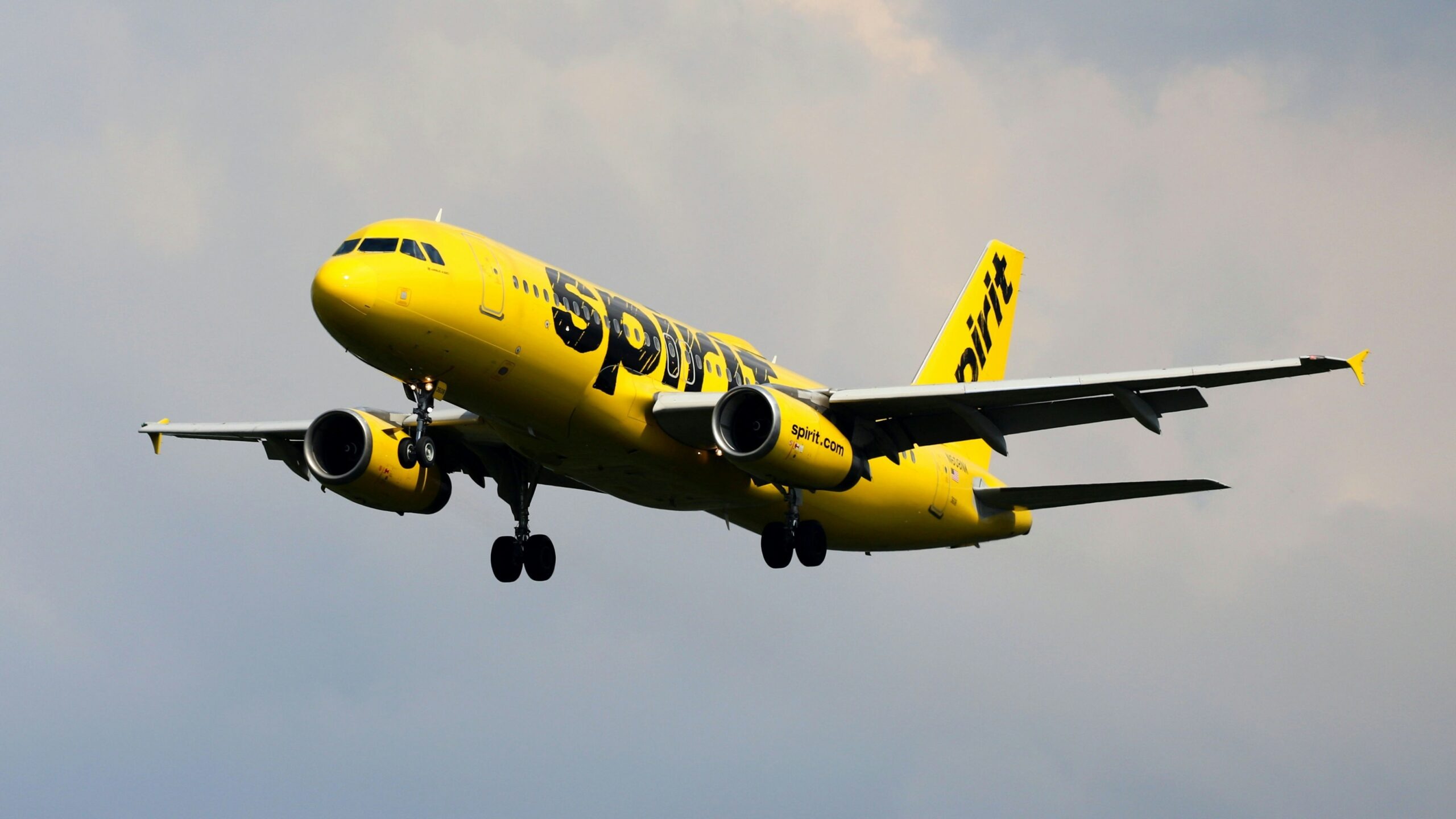
Spirit Airlines flew its last flight on May 2, 2026. By that evening, roughly 17,000 employees, including pilots, flight attendants, mechanics, and gate agents, had lost their paychecks and their employer-sponsored health insurance, according to company wind-down documents distributed that day. Hours later, bankruptcy court filings in the Southern District of New York (Case No. 24-11988) revealed that a group of senior Spirit executives had requested $10.7 million in retention bonuses to stay on through the carrier’s final dissolution.
The timing was not lost on anyone. Transportation Secretary Sean P. Duffy issued an emergency DOT briefing within hours of the shutdown, confirming the cessation of operations and announcing federal coordination with rival airlines to assist stranded passengers and displaced workers. It was a rare same-day federal response to a single airline’s collapse, reflecting the scale of disruption Spirit’s disappearance creates across dozens of mid-size U.S. airports.
How Spirit reached this point
Spirit’s shutdown was the final chapter of a two-year unraveling. In January 2024, a federal judge blocked the airline’s proposed merger with JetBlue, ruling the deal would reduce competition in budget air travel. A prior merger attempt with Frontier Airlines had already collapsed. Without a partner to absorb its debts and shore up its balance sheet, Spirit filed for Chapter 11 bankruptcy protection in November 2024 in the Southern District of New York.
The airline continued flying on a reduced schedule for more than a year after that filing, attempting to restructure under court supervision. But the recovery never gained traction. Fuel costs remained elevated, aircraft lessors pushed to reclaim planes, and the budget travelers who once filled Spirit’s no-frills cabins had increasingly shifted to competitors offering low fares with fewer cancellations and delays. By early 2026, Spirit was burning through cash faster than it could raise capital, and the bankruptcy court approved a full liquidation rather than a reorganization plan.
Much of Spirit’s fleet, composed largely of leased Airbus A320-family aircraft, has been returned to lessors or is in the process of being transferred. The airline’s remaining physical assets, including ground equipment, spare parts inventories, and airport gate leases, are now subject to sale through the bankruptcy estate.
The federal response
Duffy’s DOT treated the shutdown as both a transportation emergency and a labor crisis. According to the department’s official briefing, officials secured commitments from other U.S. carriers to accommodate Spirit passengers on existing routes and to offer jump seats so displaced crew members could travel to home bases or reach job interviews at competing airlines.
That level of intervention signals regulators viewed Spirit’s disappearance as a systemic disruption, not just another corporate failure. Before its decline, Spirit was one of the largest ultra-low-cost carriers in the United States by passenger volume, and its route network served communities from Fort Lauderdale to Detroit to San Juan where affordable flight options were already limited. Those cities now face the prospect of fewer departures and higher fares on routes Spirit once anchored.
What the retention bonuses actually involve
Retention bonuses during bankruptcy wind-downs are a standard, if controversial, feature of corporate liquidations. Companies argue that senior leaders and key managers need financial incentives to remain through the final months of asset sales, lease negotiations, and regulatory compliance rather than leaving for new positions immediately. Courts weigh those requests against objections from creditors and other stakeholders.
In Spirit’s case, the $10.7 million in requested bonuses, disclosed in filings with the Southern District of New York bankruptcy court, would go to a group of senior executives overseeing the dismantling of a company that no longer operates a single aircraft. The court filings identify the recipients only as senior leadership involved in the wind-down process; specific names, titles, and individual bonus amounts have not been made public in the docket as of late May 2026. The requests remain subject to review, and creditors, employee advocates, and the U.S. Trustee’s office all have standing to challenge them. Similar executive bonus requests have been contested in past airline bankruptcies, sometimes resulting in significant reductions.
Spirit’s rank-and-file workers received no comparable financial cushion. The Association of Flight Attendants-CWA, which represented Spirit’s cabin crews, and the Air Line Pilots Association, which represented its pilots, have both publicly opposed the bonus requests. In a statement released after the shutdown, the Association of Flight Attendants-CWA said the bonus filings were “an insult to every flight attendant, pilot, and ground worker who showed up for passengers right until the last flight landed, only to lose their income and health coverage the same day.” Both unions have called on the court to prioritize unpaid employee obligations over executive retention payments.
For the thousands of workers on the other side of that ledger, the immediate concerns are more basic: securing health coverage before enrollment deadlines pass, filing for unemployment benefits in their home states, and determining whether accrued vacation pay and retirement contributions will ever be recovered from the bankruptcy estate.
Health coverage: what displaced workers need to know now
Spirit’s wind-down materials, dated May 2, 2026, direct former employees to local enrollment assistance through Healthcare.gov. Workers who lost employer-sponsored insurance due to the shutdown qualify for a Special Enrollment Period on the federal health insurance marketplace, but that window is time-limited, typically 60 days from the date coverage ended. Missing it could mean months without insurance.
The Healthcare.gov portal allows displaced workers to compare plans, check eligibility for income-based subsidies, and connect with local navigators who can walk them through enrollment. Employees in states that operate their own insurance exchanges follow the same special enrollment rules, though the sign-up portal may differ. Spirit’s Employee Transition Guide, distributed on the shutdown date, includes links to both federal and state-level resources.
Workers may also be eligible for COBRA continuation coverage, which allows them to remain on their former employer’s group health plan for up to 18 months. The significant drawback: COBRA requires the employee to pay the full premium, including the portion the employer previously covered. According to the Kaiser Family Foundation’s most recent employer health benefits survey, average single-coverage COBRA premiums run roughly $700 per month or more. For many former Spirit employees, marketplace plans with income-based subsidies will cost substantially less.
What passengers should do
Travelers holding Spirit tickets for flights that will never depart have several paths to pursue refunds. Passengers who booked with a credit card can initiate a chargeback through their card issuer, which is typically the fastest route. Those who purchased tickets through third-party booking platforms should contact both the platform and their credit card company, as the booking site may have its own refund or rebooking process.
The DOT has indicated it is monitoring whether Spirit’s wind-down process complies with federal refund regulations. Under current rules, airlines that cancel flights owe passengers full refunds to the original form of payment. But enforcing that obligation against a company in liquidation is a different matter entirely. Passengers can file claims with the bankruptcy court, though unsecured creditors, a category that includes most ticket holders, historically recover very little in airline liquidations.
Members of Spirit’s Free Spirit loyalty program face a separate loss. Accumulated points and elite status have no transferable value once the airline ceases to exist, and the bankruptcy estate is unlikely to honor them. No competing carrier has announced plans to absorb Free Spirit accounts, though some airlines have historically offered status-matching promotions to attract displaced loyalty members after a rival’s shutdown.
Unresolved battles over executive bonuses, gate leases, and Spirit’s remaining assets
Several critical questions will play out over the coming weeks in bankruptcy court and at the DOT. Will the judge approve the $10.7 million in executive retention bonuses as requested, or will objections from creditors and labor groups force reductions? What becomes of Spirit’s airport gate leases and landing slots, particularly at congested hubs like Fort Lauderdale-Hollywood International, where those slots carry significant market value? And will any competing carrier step in to preserve affordable service on the routes Spirit leaves behind, or will budget travelers in those markets simply pay more?
Those answers will come from court rulings, regulatory actions, and business decisions by rival airlines. What is already clear is this: a major American carrier is gone, thousands of its workers are navigating an abrupt loss of income and benefits, and the executives who oversaw the airline’s final chapter are asking a federal judge to guarantee their compensation from whatever remains of the estate. The bankruptcy docket in the Southern District of New York will determine who gets paid, and in what order.


