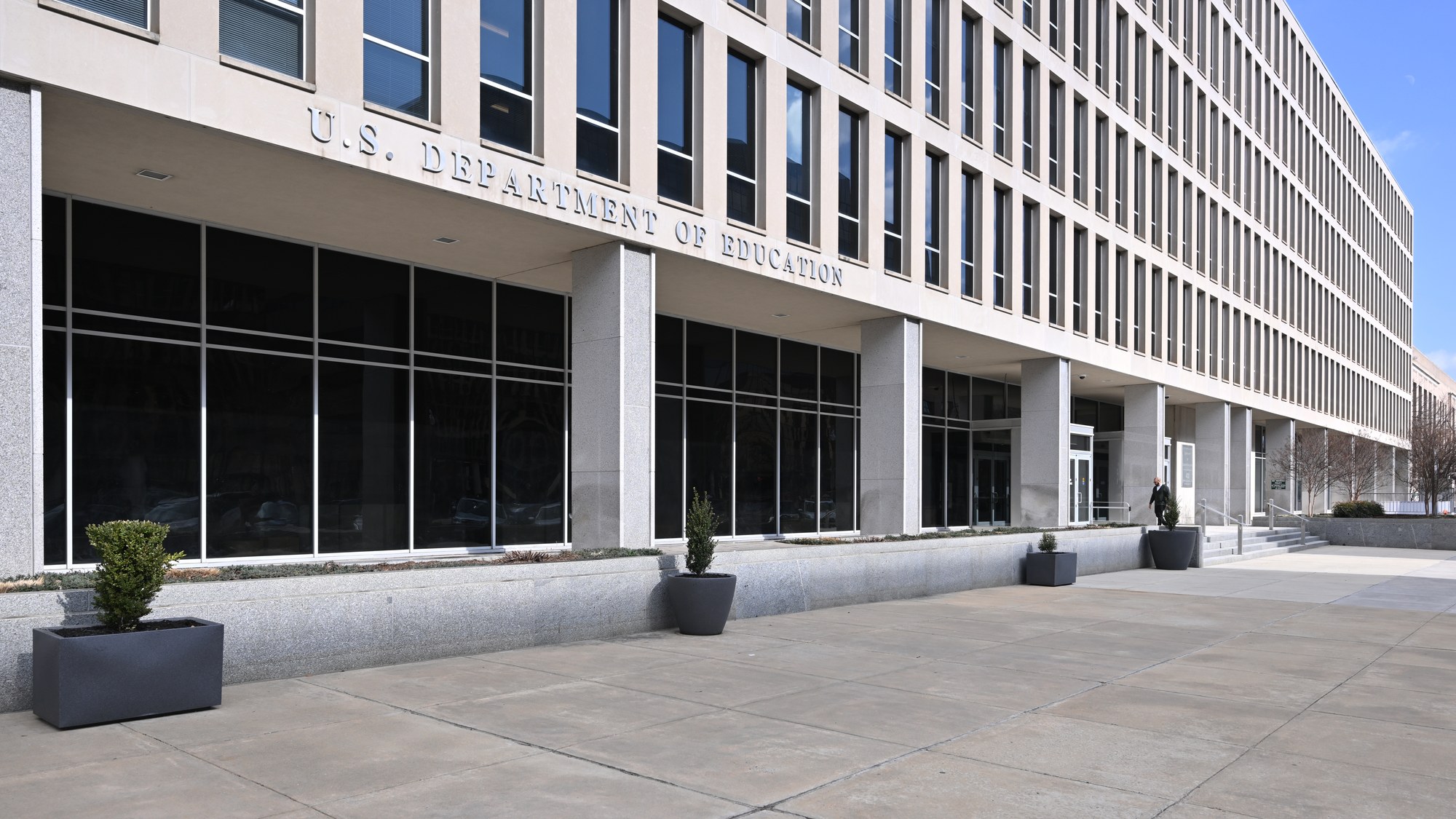
Word has circulated for months that federal loan servicers are once again seizing Social Security checks from retirees who defaulted on student loans decades ago. That belief is running ahead of the facts. As of this week, the U.S. Department of Education has not restarted the Treasury Offset Program or administrative wage garnishment against defaulted federal student loan borrowers, and the agency has published no date for when it will. The department’s own paperwork trail, not social-media chatter or advocacy warnings, is the record that settles the question.
A January Delay Notice That Still Carries No Expiration
The department announced on January 16, 2026, that it would delay the implementation of involuntary collections on defaulted federal student loans, naming Administrative Wage Garnishment and the Treasury Offset Program specifically. Under Secretary of Education Nicholas Kent framed the delay as tied to the rollout of new repayment options under what the department calls the Working Families Tax Cuts Act, saying the collection tools “will function more efficiently and fairly” once those changes are in place. No fixed end date accompanied the announcement.
That notice is still the department’s operative statement on the subject. The press release on ed.gov carries a “Page Last Reviewed” stamp of August 27, 2026, meaning the department has revisited the page within the past two weeks and left the delay language, and the absence of a restart date, unchanged. Nothing in the text has been amended to announce a resumption, and no newer press release supersedes it.
Free retirement updates: Enrollment and claim windows come and go, and missing one can cost you real money. The free Retirement Shield newsletter keeps readers ahead of the ones that matter. Sign up free.
A Pattern of Stop-and-Start Collections Since the Pandemic
This is not the first time the government has paused, then reversed course on, collecting defaulted student debt from federal benefit checks. Collections on defaulted loans were frozen for roughly five years during the COVID-19 pandemic before the department announced it would begin resuming them. Trade coverage of the January 2026 delay from the National Association of Student Financial Aid Administrators notes that the department had, in fact, only restarted the collections process in April 2025, meaning the current pause is a reversal that arrived less than a year after enforcement resumed the first time. NASFAA’s reporting, current through its late-August 2026 news coverage, records no subsequent announcement restarting collections.
That history matters for how a defaulted borrower, or an adult child managing a parent’s finances, should read the current calm. A discretionary administrative pause is not a repeal, and the same office that announced the delay in January could announce its end with comparable notice, as it did when it ended the pandemic-era freeze.
What the Treasury Offset Program Can Still Take From a Benefit Check When It Runs
The Treasury Offset Program is a debt-matching and payment-offset system, established under the Debt Collection Improvement Act of 1996 and run by the Department of the Treasury, that reduces or withholds a federal payment owed to a person in order to satisfy a delinquent debt that person owes the government. Social Security Administration policy manuals describing the program confirm it operates across agencies and payment types, matching a debtor’s taxpayer identification number against outgoing federal payments, including Social Security benefits, to identify an offset.
Federal law does not allow an unlimited offset against a retirement check. Under the framework covering federal debts such as defaulted student loans, a beneficiary keeps the first $750 of a monthly Social Security payment, with the government able to take the excess up to a cap of 15 percent of the monthly benefit, according to an analysis of federal garnishment protections. That protected floor is a separate, older layer of law from the department’s 2026 pause; it defines what the Treasury Offset Program is allowed to take once it is actually running against a given account, not whether it is running today.
Why the Pause Is Not the Same as a Fix for a Defaulted Loan
The practical risk for an older borrower is treating the delay as resolution rather than as a deferral. A defaulted federal student loan does not stop being in default because collections are paused, and the underlying debt, interest, and credit consequences continue regardless of whether Treasury is currently intercepting a payment. The department’s own notice encourages borrowers who are in default to work with their loan servicer on repayment or rehabilitation options during the delay rather than assume the issue has gone away.
Retirees managing a fixed income have a particular reason to take that distinction seriously. If administrative wage garnishment or the offset program restarts on a defaulted balance, the same $750 floor and 15 percent cap described above would govern how much of a monthly Social Security payment could be affected, and a borrower who used the pause to resolve or rehabilitate the loan would not face that exposure at all.
What Continues Even While Collections Are Paused
One consequence of default does not pause alongside enforcement. The department states plainly that it continues reporting student loan defaults to credit reporting agencies throughout the delay, which can affect a borrower’s credit report regardless of whether a benefit check is ever touched. That distinction, between what is frozen and what is not, is the detail most likely to be lost in secondhand summaries of “the pause,” and it is stated in the department’s own release rather than inferred from it.
This article was produced with the assistance of AI and reviewed by The Financial Wire editorial team.
More Financial Reading
- Adding someone to your bank account: tax traps and smart moves
- Bank statements: how long to keep them and when to toss them


