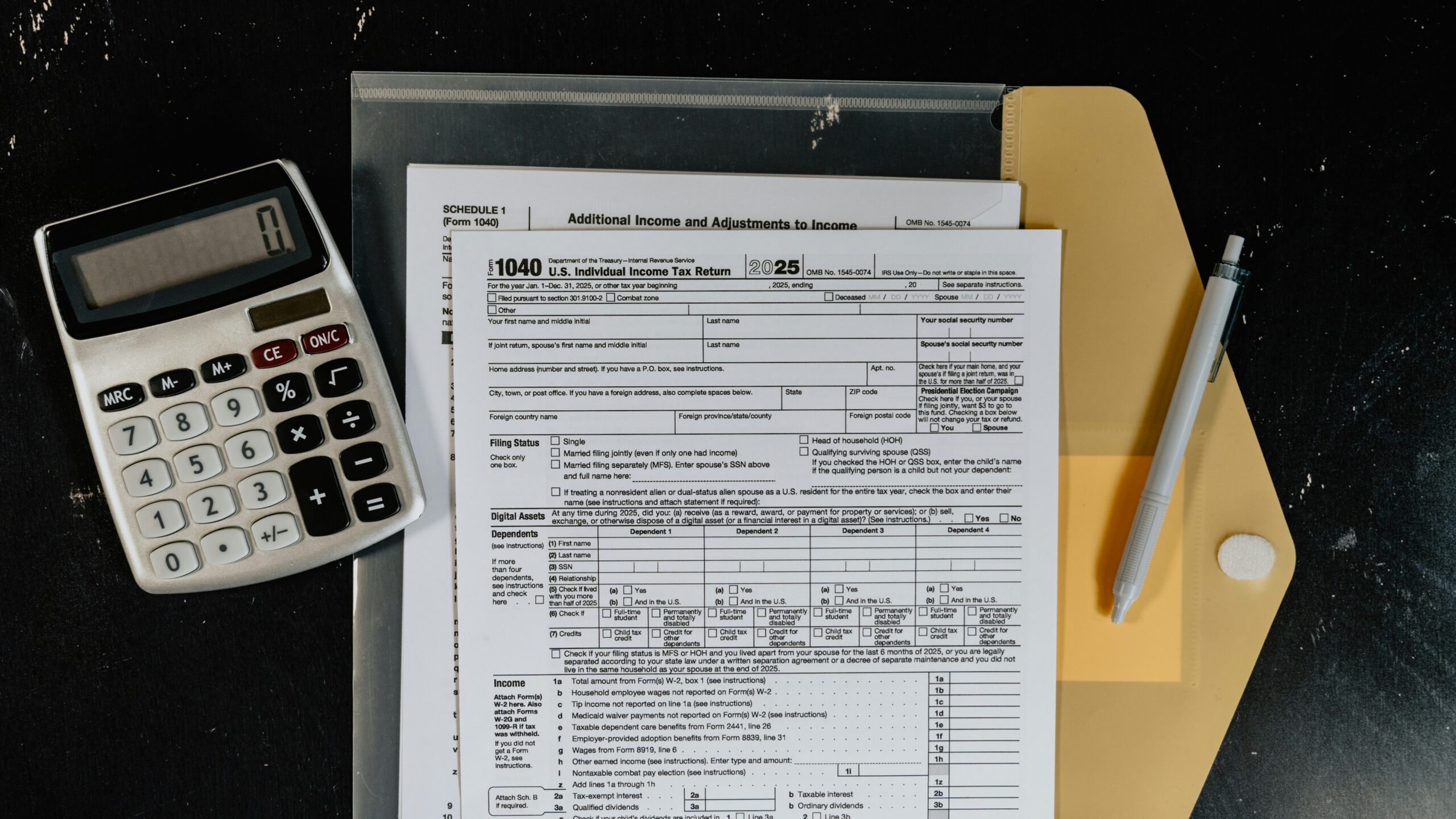
More than 830,000 Americans filed their taxes, had their refunds approved, and then watched the money vanish into a bureaucratic hold. The IRS processed their returns, confirmed what they were owed, and froze the funds anyway because the agency lacked usable direct-deposit information on file.
The freeze stems from a federal push to eliminate paper checks. Instead of simply mailing refunds the old way, the IRS is now sending notices that demand banking details before it will release a dollar. Taxpayers who cannot or will not provide an account number can request a paper check, but congressional offices and filer reports suggest the wait runs roughly six weeks, and even that requires a separate written request. Lawmakers on the House Ways and Means Committee say the policy is stranding the people who can least afford to wait.
Where the 830,000 number comes from
Representatives Danny Davis and Terri Sewell, both members of the House Ways and Means Committee, disclosed the figure in a May 2026 press release demanding answers from the Trump administration. Their offices reviewed the IRS notices going out to affected filers and tested the agency’s phone lines, concluding there was “no simple way” for taxpayers to supply the banking details the IRS was requesting.
Davis and Sewell warned the policy “could disproportionately burden low-income households, seniors, and people with disabilities” who are least equipped to navigate the process. The IRS has not publicly confirmed or disputed the 830,000 count, nor has it released any breakdown showing how many of those filers have since resolved the issue, how many have requested paper checks, or how many refunds remain stuck.
Why refunds are being held
The legal basis is Executive Order 14247, signed in March 2025 under the title “Modernizing Payments To and From America’s Bank Account.” A Treasury Department announcement set a compliance deadline of September 30, 2025: after that date, federal payments that previously went out as paper checks, including tax refunds, would be issued electronically. Treasury framed the shift as a cost-saving and fraud-reduction measure affecting multiple agencies.
For tax refunds specifically, the change works like this: when a filer omits direct-deposit information, or a bank rejects the deposit, the IRS sends a letter followed by a formal CP53E notice. That notice gives the taxpayer 30 days to respond with valid banking details before any alternative is considered.
The friction point that has frustrated filers and congressional staff alike is a restriction laid out in the IRS’s own FAQ on the executive order: according to that document, agency employees cannot accept direct-deposit information over the phone or in person, even when a taxpayer reaches a live representative. The only options listed are a designated online tool or a response sent through the mail. For people with limited internet access, that narrows the path considerably. For anyone wary of mailing bank account numbers to a government agency, it feels like a trap.
Scam fears are compounding the problem
The Taxpayer Advocate Service, an independent watchdog inside the IRS, has published guidance confirming the CP53E notice is legitimate when a refund is approved but banking information is missing or incorrect. But the Advocate’s own materials acknowledge a real problem: many recipients assume the letters are scams.
It is easy to see why. The notices ask for sensitive financial details, arrive without warning, and closely resemble the kind of phishing mail the IRS itself tells people to throw away. The Advocate urges taxpayers to verify any notice by checking their account on IRS.gov before sharing information and stresses that the IRS will never request bank details by text message or unsolicited email. Still, the office has flagged widespread confusion and difficulty reaching anyone at the agency who can walk filers through the steps.
What affected taxpayers should do now
If you received a CP53E notice, the IRS expects a response within 30 days through one of two channels:
- Online: Log in to your IRS account at IRS.gov and update your direct-deposit information through the tool referenced in the notice. This is the fastest route.
- By mail: Follow the instructions printed on the notice to submit your banking details in writing. Keep copies of everything you send, and consider using certified mail so you have proof of delivery.
If you do not have a bank account and cannot open one, you can request a paper check. The IRS has not published a firm timeline for paper refunds under the new workflow. The roughly six-week estimate that has circulated comes from anecdotal reports gathered by congressional offices and individual filers, not from any official IRS document. Treasury’s implementation hub references “limited exceptions” for people who cannot receive electronic payments, but the specifics of how those exceptions work in day-to-day refund processing remain vague.
One option worth exploring: some banks and credit unions offer low-cost or no-fee accounts that can be opened quickly, and the IRS’s Volunteer Income Tax Assistance (VITA) program may be able to help filers who need guidance. The IRS lists VITA locations on its website.
The unbanked gap no one has addressed
Neither the IRS nor Treasury has disclosed how many of the 830,000 affected filers lack bank accounts entirely. The most recent FDIC survey, published in 2024, estimated that roughly 4.5% of U.S. households were unbanked, a population that skews heavily toward low-income families, seniors, and people with disabilities.
Davis and Sewell pressed the administration on exactly this point, asking what accommodations exist for filers who “cannot open a bank account” due to identification hurdles, prior account closures, or negative banking histories. The 30-day response window on the CP53E notice does not leave much room for someone starting from scratch, particularly if they first need to obtain identification documents or resolve issues with a previous bank.
Treasury’s implementation materials mention expanding access to low-cost accounts as a long-term goal, but no program currently in place bridges the gap for a taxpayer who needs a refund this month and has no account to receive it.
What Congress and the IRS still have not disclosed
As of June 2026, several critical data points remain missing from the public record. The IRS has not reported how many of the 830,000 filers have successfully updated their banking information, how many paper checks have been issued under the new workflow, or whether the notice-and-response system is creating significant mail backlogs or call-volume spikes.
There is also no published data on whether the shift to electronic payments has actually reduced fraud. Supporters of the executive order argue that routing refunds through verified bank accounts should cut down on stolen checks. Critics, including some tax professionals and consumer advocates, counter that forcing taxpayers to transmit account numbers through the mail or through unfamiliar online portals could open new avenues for scammers, especially when the official notices themselves look suspicious to the people receiving them.
Hundreds of thousands of refunds remain in bureaucratic limbo
The IRS redesigned its refund system to be faster and more secure. For the 830,000 filers caught in the transition, it has been neither. Until the agency releases detailed outcome data, simplifies the notice process, or builds a real path for unbanked taxpayers, those refunds sit frozen, approved but untouchable, while the people owed the money wait for a system that was supposed to work better than the one it replaced.