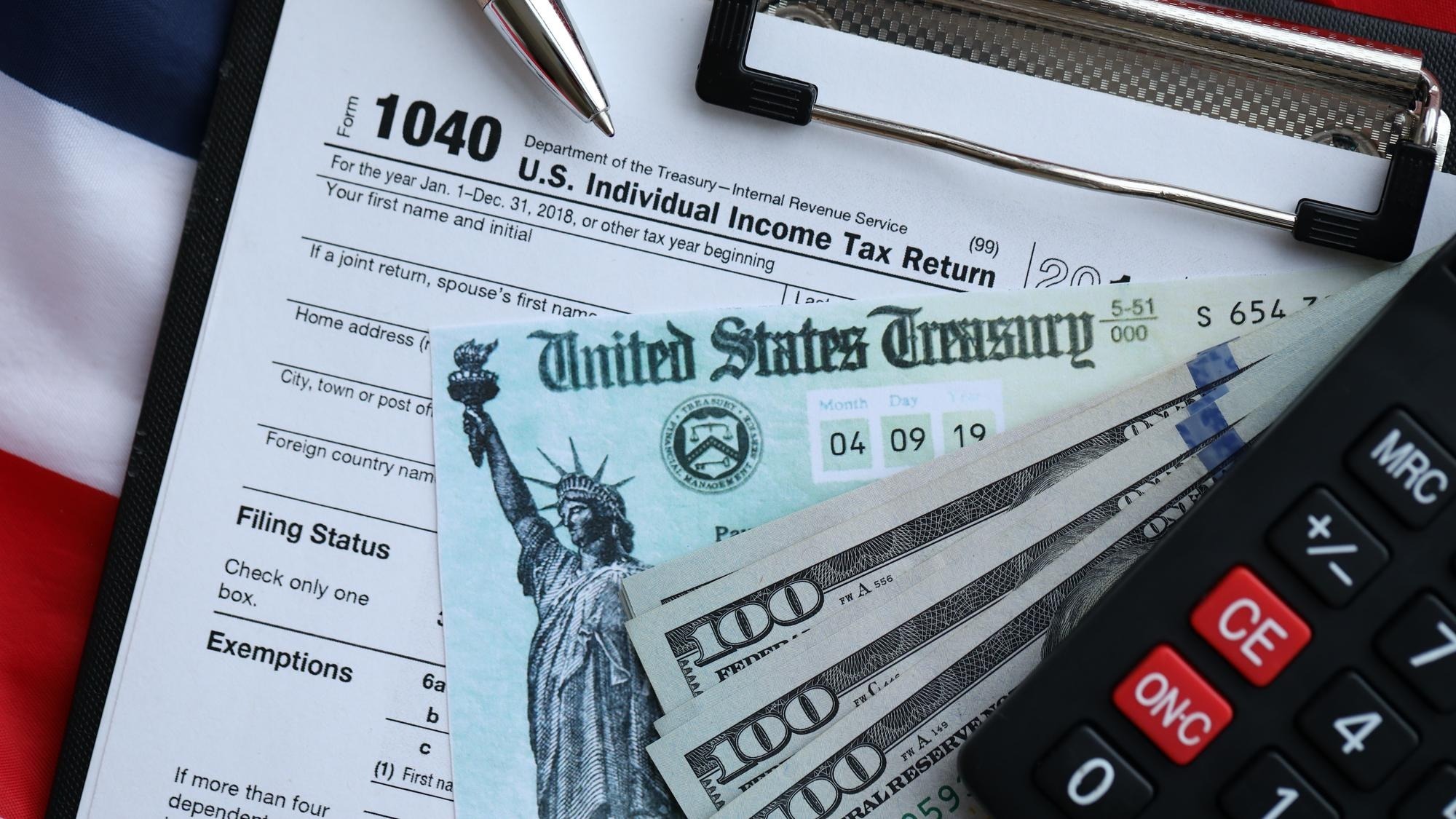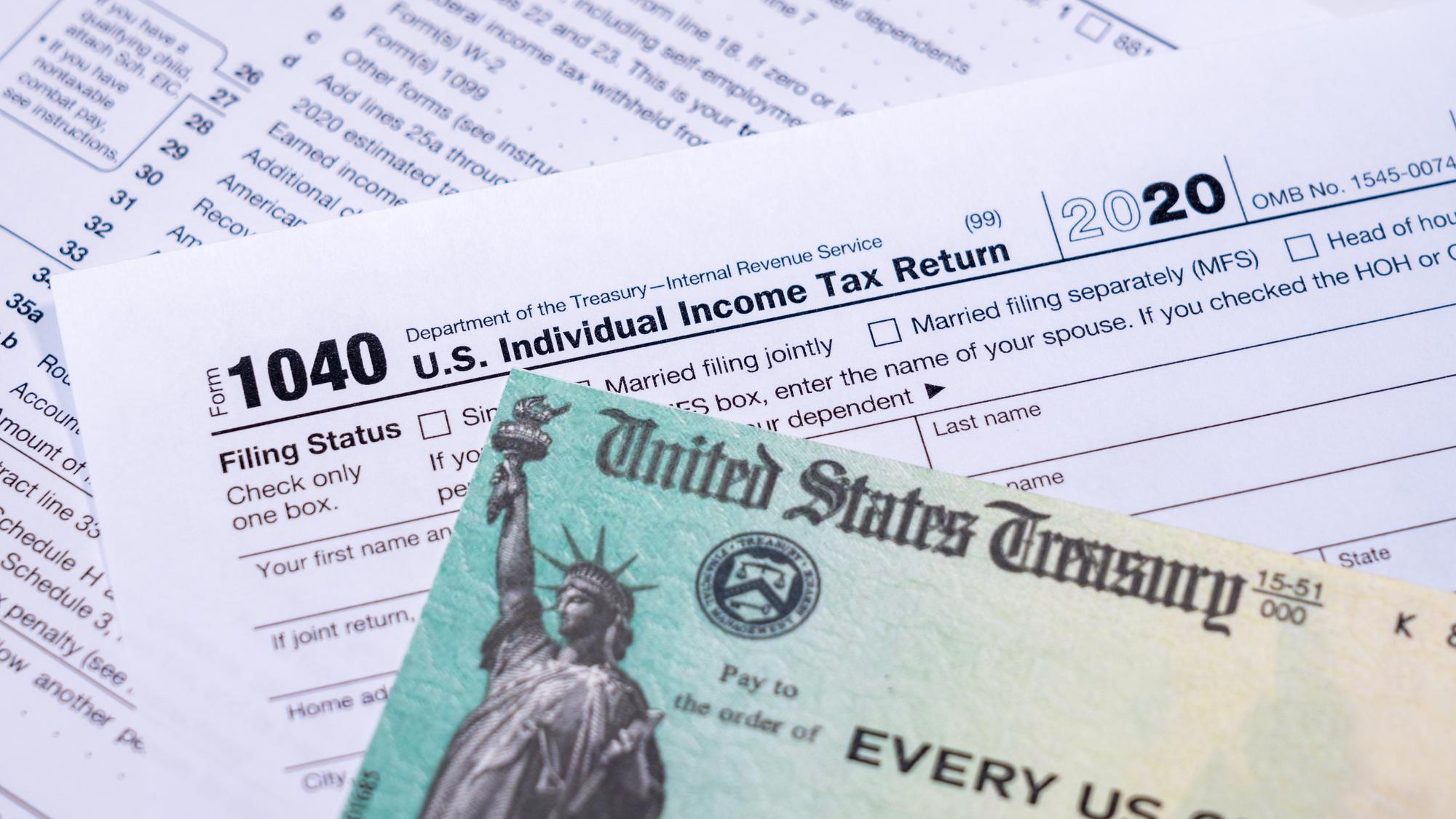
The average refund is roughly $750, and about 1.6 million taxpayers were told they would get it automatically. Three years later, an unknown number of those people are still waiting, and the final deadline to claim the money is May 17, 2026. After that, the IRS loses the legal authority to pay it out, no matter how clear-cut your case is.
The refunds trace back to a 2022 decision by the IRS to return more than $1.2 billion in failure-to-file penalties it had charged during the pandemic. The agency promised the process would be automatic. For many taxpayers, it was. For others, the money never showed up.
Who qualifies and why this relief exists
When COVID-19 shut down offices, disrupted mail service, and left millions of workers scrambling, tax deadlines became an afterthought for a lot of people. Returns arrived late. The IRS assessed penalties. Then, recognizing the extraordinary circumstances, the agency reversed course.
In August 2022, the IRS issued Notice 2022-36, waiving failure-to-file penalties on individual, corporate, and certain other income tax returns for tax years 2019 and 2020. The catch: your late return had to have been received by the IRS on or before September 30, 2022.
If you met that cutoff and had already been charged a failure-to-file penalty, the IRS said it would refund or credit the amount without any action on your part. No special form. No phone call.
That was the plan. In practice, not everyone got their money.
Why some refunds were never delivered
The IRS has not published updated figures on how many of the 1.6 million eligible taxpayers actually received their refunds. The $1.2 billion total and the taxpayer count both come from the original 2022 announcement, and the agency has released no follow-up data showing how much was paid out versus how much remains unclaimed.
Several real-world problems could explain the gap. Taxpayers who moved during the pandemic may never have received IRS correspondence. People who changed bank accounts could have had direct deposits rejected. Others with unresolved identity verification flags may have had refunds held indefinitely. And some taxpayers may not even realize they qualify, especially if they confused this program with a separate IRS initiative.
That separate effort, formalized in Notice 2024-7, addressed failure-to-pay penalties for tax years 2020 and 2021 using different eligibility criteria. The distinction matters: failure-to-file penalties punish you for submitting your return late, while failure-to-pay penalties apply when you file on time but do not pay what you owe. A taxpayer could have received relief under one program and still be owed money under the other.
Where the May 17, 2026 deadline comes from
Under federal tax law (specifically IRC Section 6511), you generally have three years from the date a return was filed, or from its due date, whichever is later, to claim a refund of any overpayment. That includes penalties that were later waived.
For the 2020 tax year, the IRS extended the original April 15 filing deadline to May 17, 2021, as part of its pandemic response. Three years from that extended due date is May 17, 2024, for people who filed on time. But for taxpayers who filed after the deadline and within the lookback window, the three-year clock started later, pushing their final claim date out to May 17, 2026.
One important note: the deadline situation for 2019 returns is different. The original April 15, 2020 due date for 2019 returns was extended to July 15, 2020. Three years from that date was July 15, 2023, meaning most refund claims tied to 2019 penalty relief have likely already expired. The May 17, 2026 deadline is primarily relevant to 2020 returns.
There is also a two-year rule: if you paid a penalty more than three years after filing but less than two years ago, you may still be within the refund window based on the payment date rather than the filing date. The IRS has not published detailed guidance on how these overlapping timelines apply to every pandemic-era scenario, which means some taxpayers face genuine uncertainty about their specific cutoff.
The safe move is to act now rather than try to parse the exact deadline for your situation.
What you should do before May 17
If you think you might be affected, these are the steps worth taking:
Check your IRS account online. Log in at IRS.gov and review your tax records for 2019 and 2020. Look for any failure-to-file penalty that was assessed but never refunded or credited.
Request a tax account transcript. If your online account does not show enough detail, request a transcript for the relevant years. This document lists penalties, payments, and any adjustments the IRS made under the relief program. You can request one online, by phone (800-908-9946), or by mailing Form 4506-T.
File if you have not already. If you never filed a 2019 or 2020 return, you cannot receive a penalty refund because there is no return on record to trigger one. But filing now could unlock other benefits, including any regular refund you were owed. For 2020 returns specifically, the IRS has noted that roughly $1 billion in ordinary refunds remained unclaimed heading into the final deadline window. That money is separate from the penalty relief but subject to the same May 17, 2026 expiration.
Consider filing Form 843 if your refund was not automatic. If you confirmed a penalty was charged but never reversed, you may need to submit Form 843 (Claim for Refund and Request for Abatement) to formally request the money. This is especially relevant for taxpayers whose accounts had complications that prevented the IRS from processing the relief automatically.
Contact a tax professional if your situation is complicated. Taxpayers who obtained filing extensions beyond May 17, 2021, who made penalty payments at different times, or who have unresolved issues on their IRS accounts may need professional help determining which deadline applies and whether additional paperwork is required.
Why May 17, 2026 is a hard cutoff the IRS cannot revisit
The IRS has made clear that the statutory refund clock will not be paused further. Unlike the original filing deadline shifts during the pandemic, this is not an administrative decision the agency can revisit. The three-year and two-year lookback periods are set by federal law under IRC Section 6511, and once they expire, the IRS loses the legal authority to issue a refund, even if the taxpayer clearly qualifies.
For anyone who filed a 2020 return late, paid a failure-to-file penalty, and has not confirmed that the money came back, the next few weeks are the last chance to check. Pull your transcript, review your account, and file a claim if anything looks wrong. May 17, 2026 is a hard cutoff, and the IRS will not make exceptions once it passes.