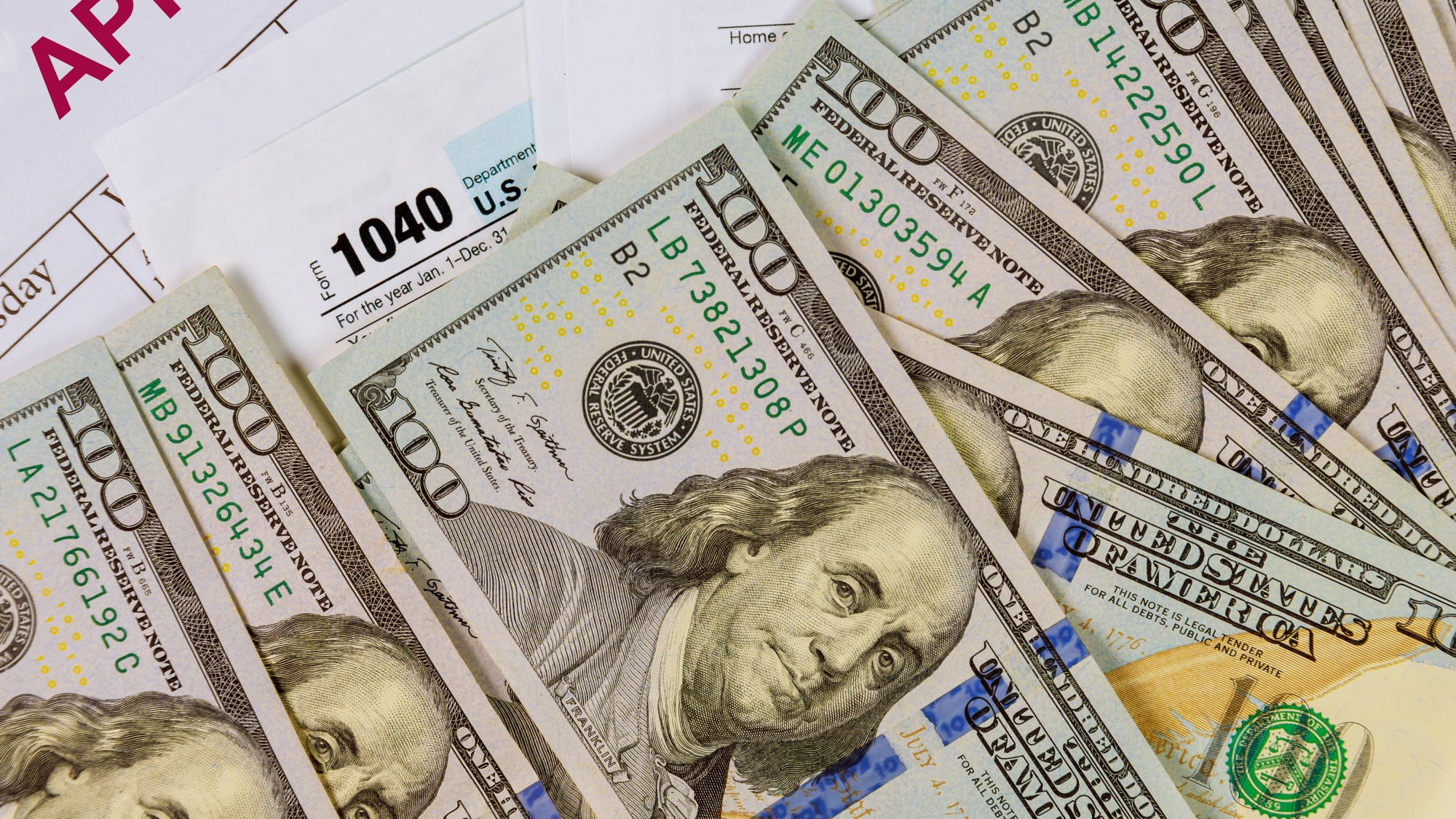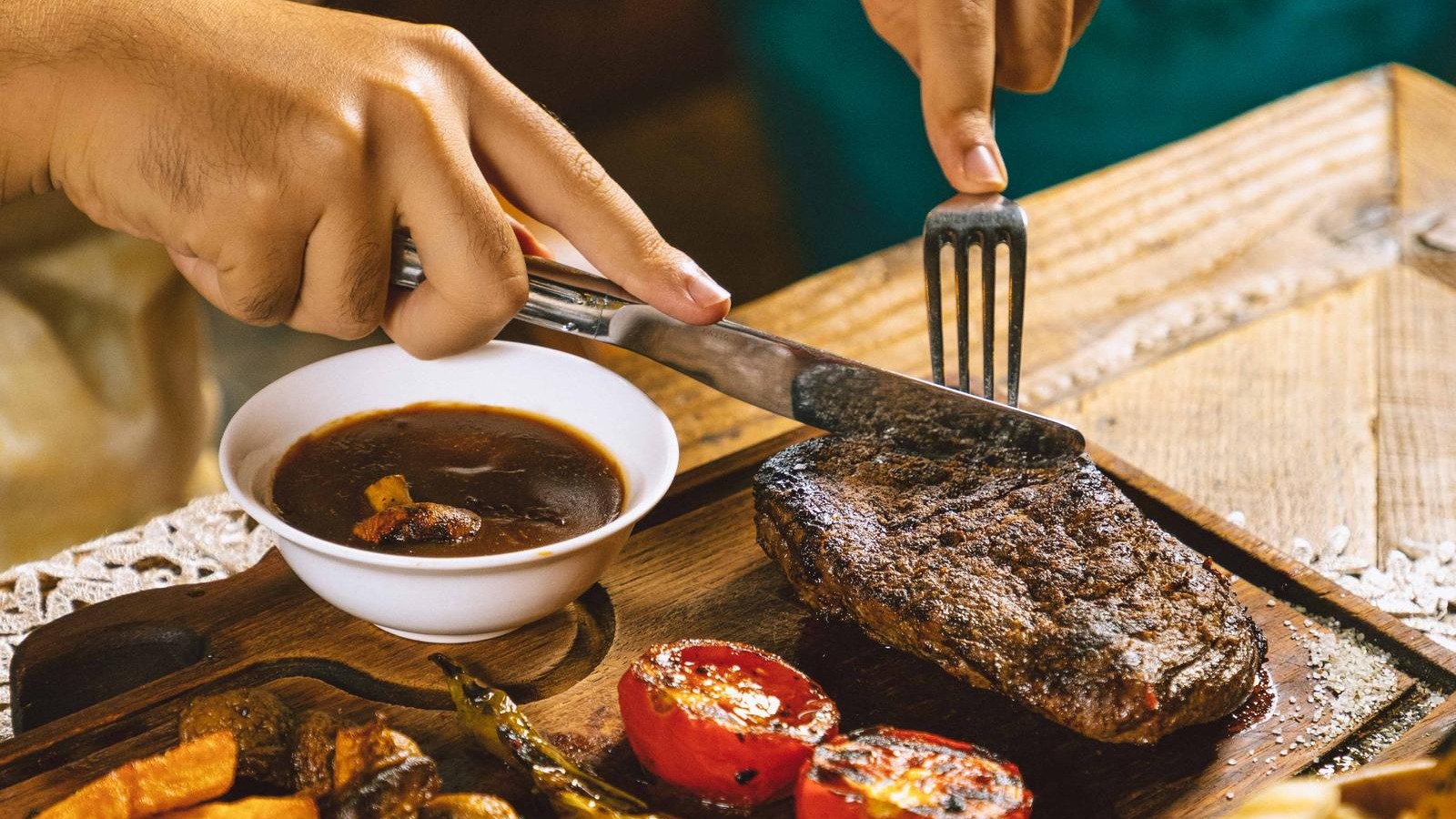
Firing up the grill this Memorial Day weekend will cost more than it ever has, and the price tag starts with the meat. A backyard cookout for 10 people runs about $103 in 2026, according to Rabobank’s annual BBQ Index, which prices out a typical summer spread using Bureau of Labor Statistics retail data. The single biggest reason: beef prices have surged roughly 17 percent over the past 12 months, pushing steak and ground beef to the highest levels the federal government has ever recorded.
“I used to grab a couple of ribeyes without even checking the sticker,” said one Dallas-area shopper loading her cart at a suburban supermarket the week before Memorial Day. “Now I look at the price, put them back, and walk over to the chicken case.” That kind of sticker shock is playing out at meat counters across the country, and the federal data confirms it is not just a feeling.
The numbers are stark. Federal Reserve Economic Data shows the national average retail price for uncooked beef steak reached about $12.74 per pound in February 2026, with March holding nearly flat at $12.73. Both are the highest monthly averages in the history of the dataset. Ground chuck, the backbone of any burger menu, averaged roughly $6.90 per pound in April 2026. Even hosts who skip the ribeyes entirely and build the whole spread around patties are paying a premium that would have seemed extreme just two years ago.
The Consumer Price Index report released May 12, 2026 (covering April 2026 data) puts the scale in perspective: beef and veal prices climbed about 17 percent year over year, a pace that far outstrips overall food-at-home inflation and places beef among the fastest-rising grocery categories the government tracks.
Why beef keeps getting more expensive
The price surge traces back to a shrinking national cattle herd. Years of drought across major ranching states forced producers to cull breeding stock earlier than planned, and the U.S. herd has contracted to levels not seen since the early 1960s, according to the USDA’s January 2026 cattle inventory report. Fewer cattle moving through feedlots means tighter supply at packing plants, and that bottleneck translates directly into higher wholesale and retail prices.
Trade policy is compounding the squeeze. Rabobank’s 2025 BBQ Index report flagged tariff-related risks that could push costs higher still if import duties on foreign beef further tighten supply or raise input costs for domestic producers. And because rebuilding a cattle herd is a multi-year biological process, not something that responds quickly to price signals, analysts do not see meaningful relief on beef prices anytime soon.
What $103 actually buys and how it compares to pre-pandemic costs
Rabobank’s BBQ Index constructs a 10-person cookout basket from BLS average-price series, aiming to represent a standard summer spread: grilled meats, buns, sides, and drinks. For context, the American Farm Bureau Federation’s annual cookout survey pegged a summer cookout for 10 people at roughly $59 in 2019, the last pre-pandemic reading. While the two indexes use different baskets and methodologies, the gap between a $59 spread then and a $103 spread now illustrates how dramatically cookout costs have risen in the span of a few years.
Rabobank has not publicly disclosed the prior year’s BBQ Index total, so a precise dollar-to-dollar comparison from that source is unavailable. But the underlying BLS data tells the story clearly enough: a 17 percent jump in beef alone would add several dollars to any beef-heavy basket compared with the same period a year earlier.
The $103 figure is best understood as a benchmark, not a receipt. A host who serves modest portions, swaps in chicken thighs, or leans heavily on potato salad and corn on the cob could come in well below that number. A host buying thick-cut ribeyes and craft beer for a crowd could blow past it. The final total depends on choices the index cannot capture.
How other cookout staples stack up
Beef dominates the cost conversation, but a full cookout basket includes items whose prices have moved in very different directions. Based on available BLS data through spring 2026:
- Chicken: Bone-in legs and thighs remain the most budget-friendly grilling protein, generally running $2 to $3 per pound nationally. At that price, a host could feed 10 people chicken for roughly what two pounds of steak costs.
- Hot dogs: Frankfurters continue to track well below steak and ground beef per pound, making them one of the cheapest per-serving proteins for large gatherings.
- Produce: Tomatoes, lettuce, and potatoes have seen more modest price movement than beef over the past year. The BLS food-at-home index for fruits and vegetables has risen at a notably slower pace than the beef and veal sub-index.
- Drinks: Carbonated beverages and beer have generally experienced single-digit annual price increases, well below beef’s 17 percent surge.
The upshot: beef is the primary cost driver in the $103 basket. Shifting the menu toward chicken, hot dogs, and heavier sides can meaningfully cut the total, even though those items have crept up in price too.
Regional prices and holiday deals add more variables
The BLS figures represent a single national city-average price for each item. Shoppers in expensive coastal metros are likely paying well above $12.74 a pound for steak once local labor, rent, and transportation costs get baked into supermarket pricing. Buyers in cattle-producing states, or those with access to warehouse clubs and local packers, may find lower prices.
Grocery chains also tend to run aggressive Memorial Day promotions on popular grilling items. Deep discounts on hot dogs, buy-one-get-one deals on buns and condiments, and loss-leader pricing on chicken can partially offset high beef costs for shoppers who plan ahead and scan store circulars. Those promotions, however, are not captured in the monthly federal data.
How hosts are adjusting the menu
With steak running nearly double the price of ground chuck and several times the cost of bone-in chicken, the economic incentive to rethink the traditional cookout spread is hard to ignore. The math is simple: swapping four pounds of steak for four pounds of chicken thighs saves roughly $40 across a 10-person guest list, enough to upgrade the sides or add a dessert.
For hosts determined to keep beef on the grill, the most practical strategies have not changed: buy in bulk, choose less popular cuts like chuck steaks or tri-tip, and watch store circulars in the days before the holiday weekend. Splitting the bill potluck-style, where guests bring sides and drinks, keeps the host’s outlay closer to the cost of the meat itself.
Record beef prices with no relief before the Fourth of July
The core data here comes from primary government sources. The FRED steak and ground beef price series draw from BLS average-price collections, which survey thousands of retail outlets nationwide each month. The BLS maintains a detailed item list for average prices, and beef products are among the relatively few grocery categories tracked with that level of granularity. When a price comes from these series, it carries the weight of decades of consistent federal methodology.
Taken together, the picture is straightforward: beef is at record prices, the supply constraints driving those prices are structural and slow to reverse, and a Memorial Day cookout in 2026 costs meaningfully more than it did a year ago. The exact number on your receipt will depend on where you shop, what you grill, and whether you catch a good sale. But the trend line is pointing in only one direction, and it is not toward cheaper steaks.