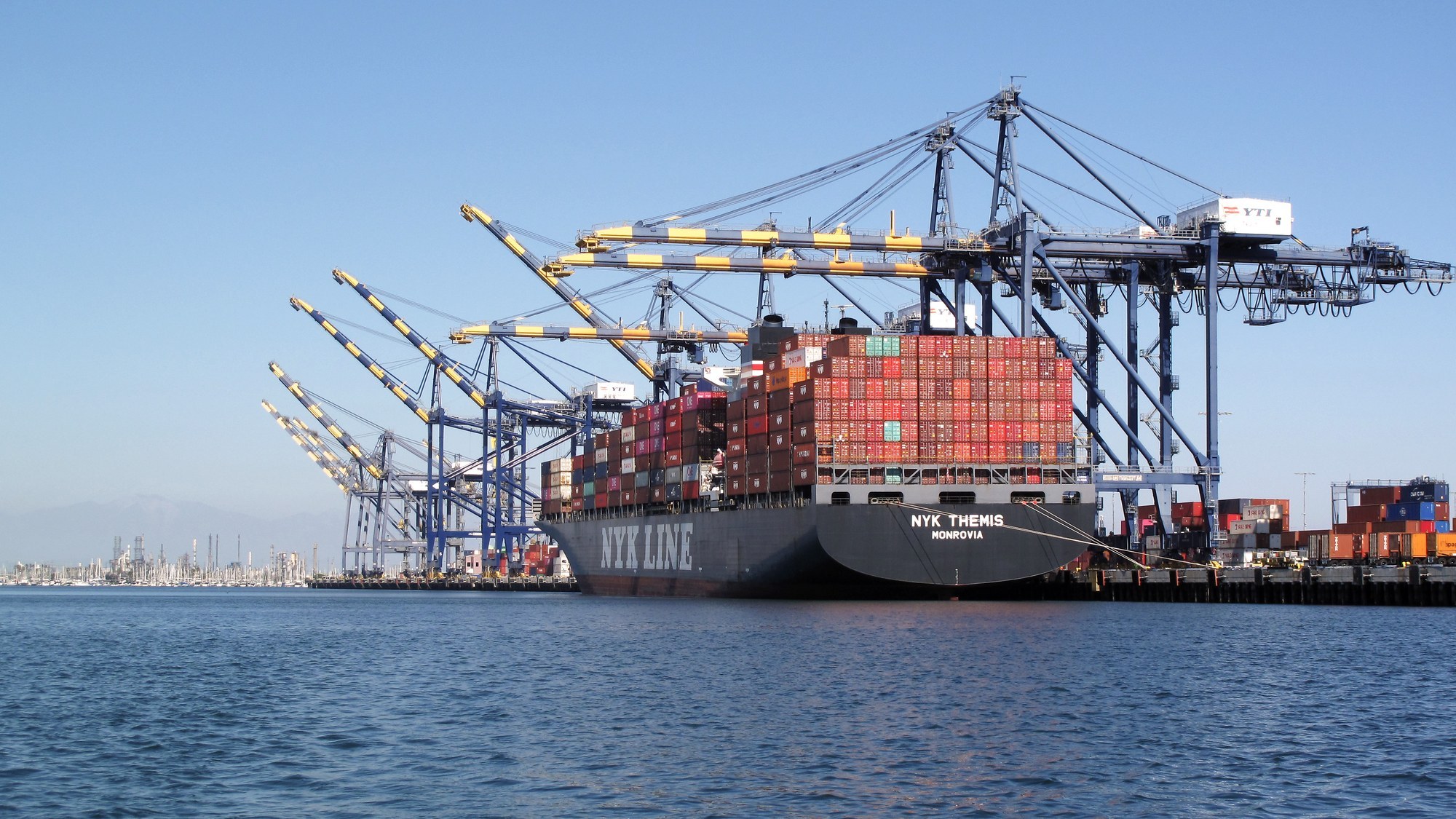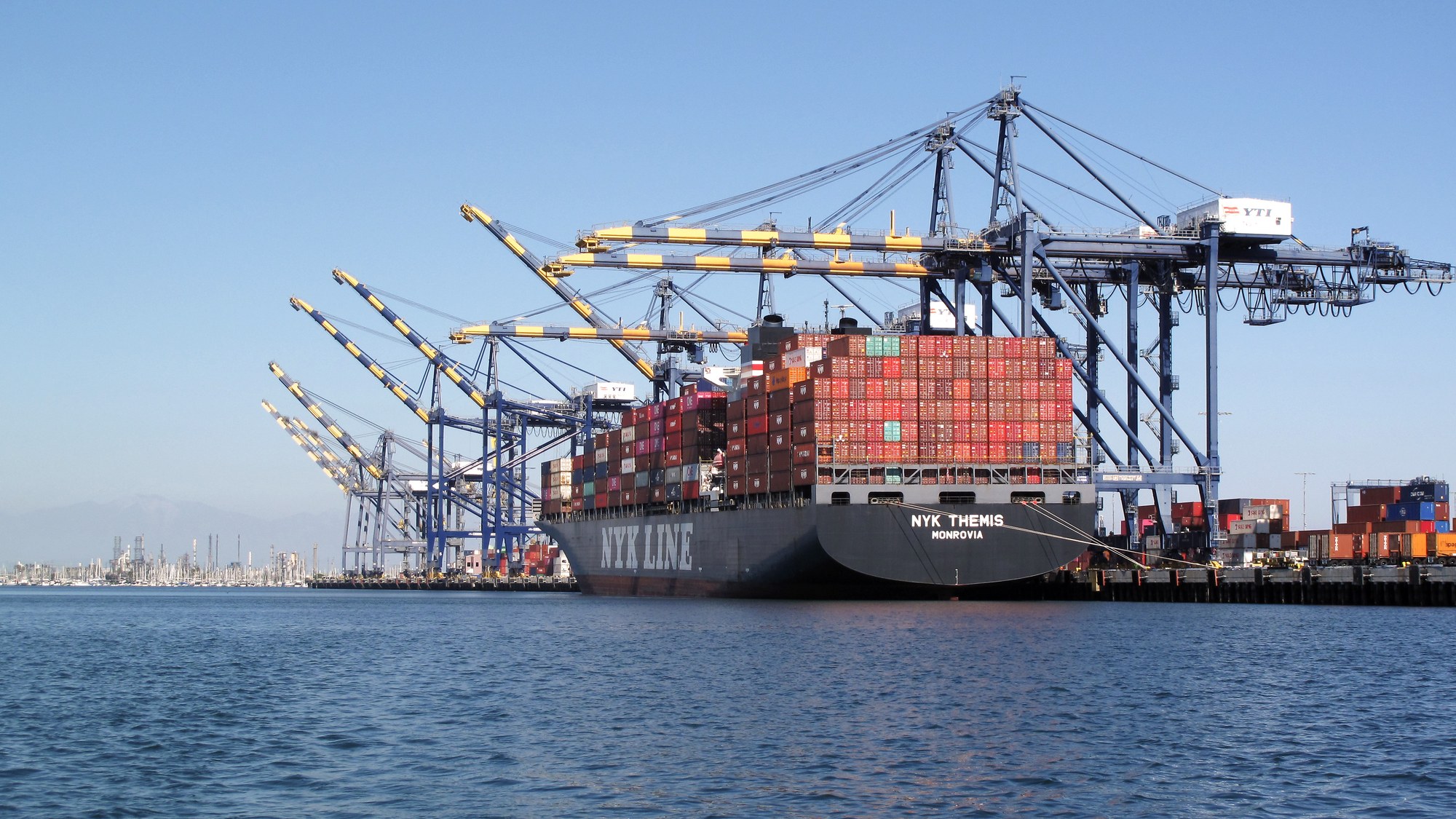
A new set of import tariffs took effect this summer, adding a 10 percent duty on a long list of goods coming from Canada, Mexico, India, the United Kingdom and more than a dozen other trading partners. The action comes from a presidential memorandum signed July 23 and published in the Federal Register five days later, and it runs on a legal track separate from the trade-deficit disputes that have dominated headlines this year. For retirees and other Americans living on a fixed income, an import tax like this one tends to show up first as a higher price tag at the store, long before it shows up in a policy briefing.
What the July 23 Memorandum Orders
The memorandum, published as 91 FR 47717 in the Federal Register on July 28, directs the United States Trade Representative to impose tariffs under Section 301 of the Trade Act of 1974 on goods from 60 economies investigated over their failure to prohibit, or effectively enforce a prohibition on, importing goods made with forced labor. The directive is not a broad, single-rate global tariff. It sets separate rates economy by economy, based on how each government has or has not moved to police forced-labor imports.
Under Section 1 of the memorandum, the Trade Representative must impose a 10 percent tariff on goods of Argentina, Bangladesh, Cambodia, Canada, Ecuador, El Salvador, Guatemala, Honduras, India, Indonesia, Jordan, Malaysia, Mexico, Pakistan, Sri Lanka, the United Kingdom and Trinidad and Tobago. Every other economy found actionable in the investigation faces a 12.5 percent tariff, with narrower rules for the European Union, Japan, South Korea, Switzerland and Taiwan that cap their combined tariff burden rather than stacking the new duty on top of existing rates.
Free retirement updates: A quiet rule change can shrink your Social Security or Medicare check, and no one warns you. The free Retirement Shield newsletter catches these early and tells you what to do. Get it free.
Why Forced-Labor Enforcement Triggered This Round, Not a Trade Deficit
The investigation behind these tariffs traces back to March 12, 2026, when the Trade Representative opened Section 301 probes into 60 economies to examine whether each one bans, or actually enforces a ban on, the importation of goods produced with forced labor. On June 2, 2026, the Trade Representative determined that the practices of all 60 economies were unreasonable and burdened or restricted U.S. commerce, a finding that cleared the legal path for tariffs under the statute. The White House action page confirms the memorandum followed public hearings held July 7 through 9, during which the Trade Representative’s office received more than 1,600 written comments and testimony from over 100 witnesses before the final rates were set.
That distinction matters for anyone trying to track where trade policy is headed next. Because the legal basis is forced-labor enforcement rather than a general trade imbalance, the rates on any single country can change again if that country’s government tightens or loosens its own import controls, independent of broader tariff negotiations happening on other fronts.
Which Countries Face the 10 Percent Rate, and Which Face 12.5 Percent
The 17 economies at the 10 percent rate generally fall into one of three groups: those that already have a forced-labor import ban but do not yet enforce it effectively, those that made written commitments to address the problem as part of separate reciprocal-trade agreements, and the United Kingdom, which has a partial enforcement regime already in place. Several economies, including India, Sri Lanka and Trinidad and Tobago, moved onto the lower 10 percent tier only after adopting new forced-labor import prohibitions following the June determinations, according to the memorandum’s own account of the process.
Every other investigated economy, a group that includes major suppliers such as China and Vietnam, was assigned the higher 12.5 percent rate. The memorandum treats each economy’s tariff as a separate, standalone action, so a legal challenge or policy change affecting one country’s rate does not automatically alter the tariff applied to any other country on the list.
The Exemptions Are Narrow, and the Cost Still Lands on Shoppers
The memorandum does carve out exemptions, but they are limited to specific categories: raw materials that could become unavailable domestically if taxed, products that could cause broader economic disruption, goods that cannot be produced in the United States or sourced elsewhere in sufficient quantity, and certain items meant to encourage economies that have made forced-labor commitments to follow through on them. A separate mechanism directs the Trade Representative to eventually set up tariff-rate quotas letting a limited volume of textile and apparel imports from Bangladesh, Cambodia, Indonesia and Malaysia enter duty-free, though the memorandum notes that system was not yet feasible to implement as of publication.
For household budgets, the practical effect is straightforward even if the legal reasoning is not: importers who pay a new 10 or 12.5 percent duty on goods from Canada, Mexico, India, the United Kingdom and more than a dozen other countries generally pass at least part of that cost through in the price charged at checkout. Retirees managing a fixed monthly income are often more exposed to that kind of gradual price creep than working households, since a Social Security check adjusts for inflation only once a year while retail prices can move every week.
This article was produced with the assistance of AI and reviewed by The Financial Wire editorial team.
More Financial Reading
- Adding someone to your bank account: tax traps and smart moves
- What really happens to your joint savings account when you die?