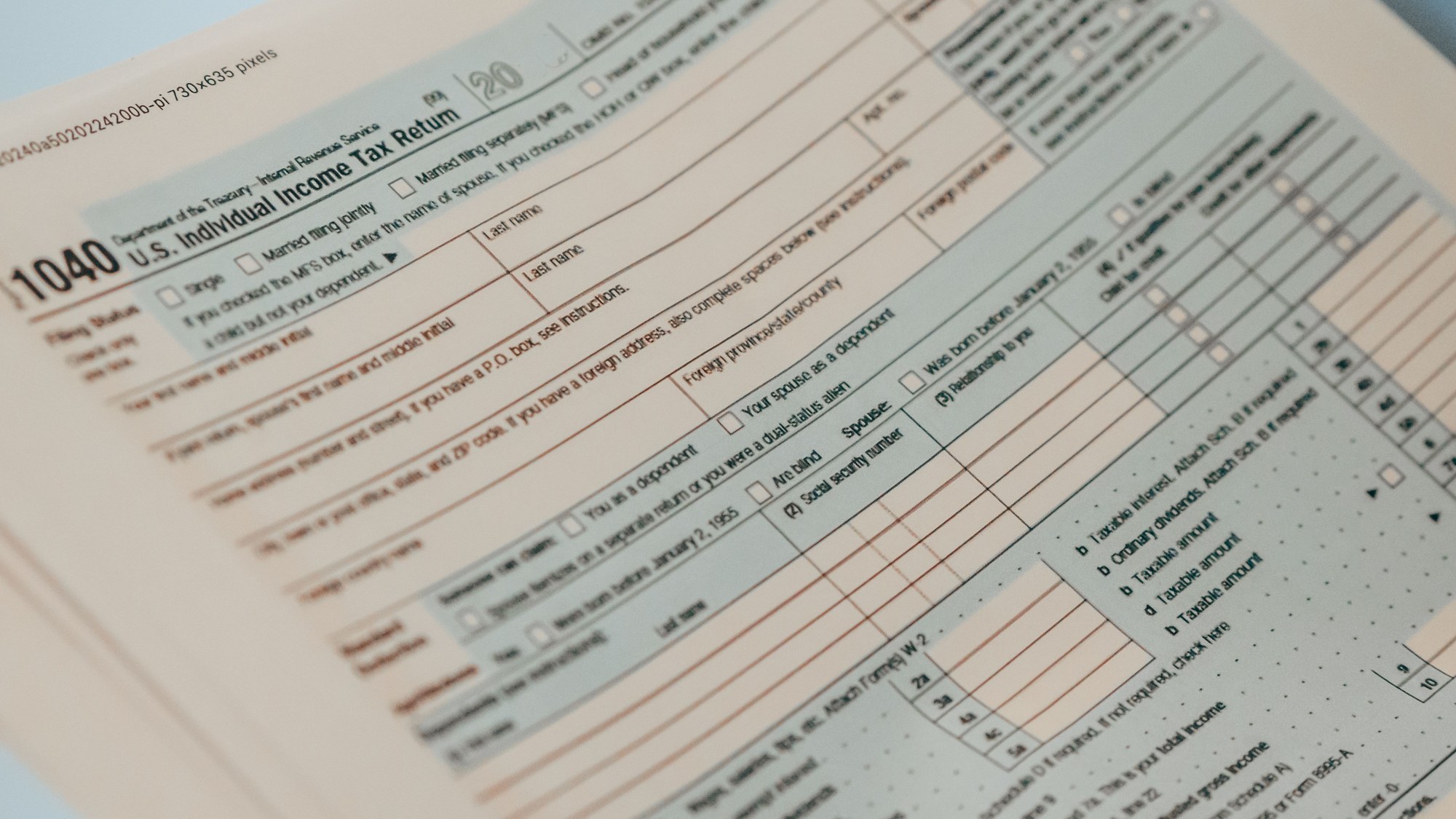
Three men were arrested in the Atlanta area on October 14 and accused of cashing more than 16,000 Treasury refund checks worth over $74 million. Prosecutors say the checks were issued on returns filed in the names of people holding taxpayer ID numbers that the ring obtained with other people’s identification documents. The defendants are presumed innocent.
A federal grand jury in the Northern District of Georgia returned the indictment on October 6. The three were arraigned the day they were arrested and are being held by the U.S. Marshals Service.
An ITIN is a tax ID, not an immigration document
An Individual Taxpayer Identification Number, or ITIN, is a nine-digit number the IRS issues to people who must file a federal return but cannot get a Social Security number, the IRS says on its ITIN page. It does not confer immigration status or permission to work.
According to the U.S. Attorney’s Office release, the defendants obtained Mexican identification documents and used them to apply to the IRS for ITINs. After the numbers were issued, prosecutors say, they filed false returns in those holders’ names, reporting false tax withholdings and other information to generate refunds.
P.O. boxes and a check-cashing counter in north Georgia
The refunds were mailed to P.O. boxes the defendants controlled, the release says. From January 2019 through the announcement, prosecutors allege, the defendants filed hundreds of fraudulent returns. They and co-conspirators then received more than 16,000 refund checks and cashed them at a check-cashing business in north Georgia for bulk cash.
Prosecutors put the loss to the Treasury at more than $74 million.
That raises a question for anyone with an ITIN or a Social Security number. What if someone cashed a refund check in my name? The IRS has a trace for a refund that never arrived and a six-digit PIN that blocks filing with the number.
What changed this year: Social Security and Medicare change every year, and nobody sends you a memo. The Retirement Money Brief breaks down what changed and what to do.
Get the Retirement Money Brief →
We may earn a commission from links on this page.
What the IRS says to do when a check goes missing
The IRS tells anyone whose refund has not shown up to wait four weeks from the issue date, then start a trace. Its refunds page gives 800-829-1954 for single filers, married people filing separately and heads of household, and 800-829-1040 or Form 3911 for joint filers.
If the check was cashed, the Treasury’s Bureau of the Fiscal Service mails a claim package and a copy of the cashed check. The IRS says that review can take up to six weeks. An uncashed check less than a year old is canceled and reissued.
A six-digit PIN covers an ITIN too
In an October 2 release, the IRS said an Identity Protection PIN is a six-digit number that helps prevent someone else from filing a federal return using a taxpayer’s Social Security number or ITIN. The IRS cybersecurity reminder also says the IRS will never call to demand immediate payment, threaten arrest or tell taxpayers they are due a refund.
The same release lists six habits for protecting tax data. They include strong, unique passwords, multifactor authentication, updated software and secure networks, and recognizing and reporting scams. The IRS says it first contacts taxpayers by mail and never sends social media messages.
Who is charged, and with what
Gustavo Rojano Salazar is 41, Gabriel Rojano Salazar is 49 and Andres Huerta Rendon is 43, and all three are Mexican nationals living in the Atlanta area, according to the U.S. Attorney’s Office. Each is charged with conspiracy to commit mail and wire fraud, mail fraud and conspiracy to commit concealment money laundering. The two Rojano Salazar men also face a charge of making a false statement on an immigration form.
U.S. Attorney Theodore S. Hertzberg said the defendants sought to “steal over $74 million from the American people.” The case was investigated by IRS Criminal Investigation, the U.S. Postal Inspection Service and Homeland Security Investigations. Assistant U.S. Attorney Kelly K. Connors and National Fraud Enforcement Division counsel Michael C. Boteler are prosecuting.
One of 16 cases in a national roundup
The Justice Department listed the Georgia case in its October 14 roundup of a national tax enforcement surge. The department says the surge covered 76 defendants and an estimated intended loss of more than $490 million across 35 U.S. Attorneys’ Offices.
Attorney General Todd Blanche said every dollar stolen through tax fraud “is a dollar taken from the American people.” The Georgia charges are allegations, and the government must prove guilt beyond a reasonable doubt at trial.
What the release leaves for taxpayers to find out
The release does not say how many ITIN holders had returns filed in their names, or whether the IRS is contacting them. It also does not say how the defendants got the Mexican identification documents.
For them and for anyone else, the IRS’s own answer to the open question is the same. Wait the four weeks, start the trace, and set up the PIN. A refund that went to someone else’s P.O. box is a refund the taxpayer has to start looking for.
Could a refund have been cashed under your ITIN or Social Security number?
A refund filed in someone else’s name goes to someone else’s P.O. box, and the person on the return never sees a check. The first sign can be a refund that is missing, or a notice about a return that was never filed.
The IRS Refund Recovery Kit includes the refund-trace steps for Form 3911 and sets out what to do when a refund was marked sent. Its Part 7, “Sent” but Never Arrived, walks through that case, and Part 5 covers passing identity verification.
Start a refund trace with the Form 3911 steps in the IRS Refund Recovery Kit →
More Financial Reading
- 21 Ways to Stretch a $2,087 Social Security Check
- 15 Places to Find Your Share of the $4.25 Billion States Give Back
- 17 Medicare Money Moves Now That Part D Caps at $2,400
This article was produced with the assistance of AI and reviewed by the editorial team.