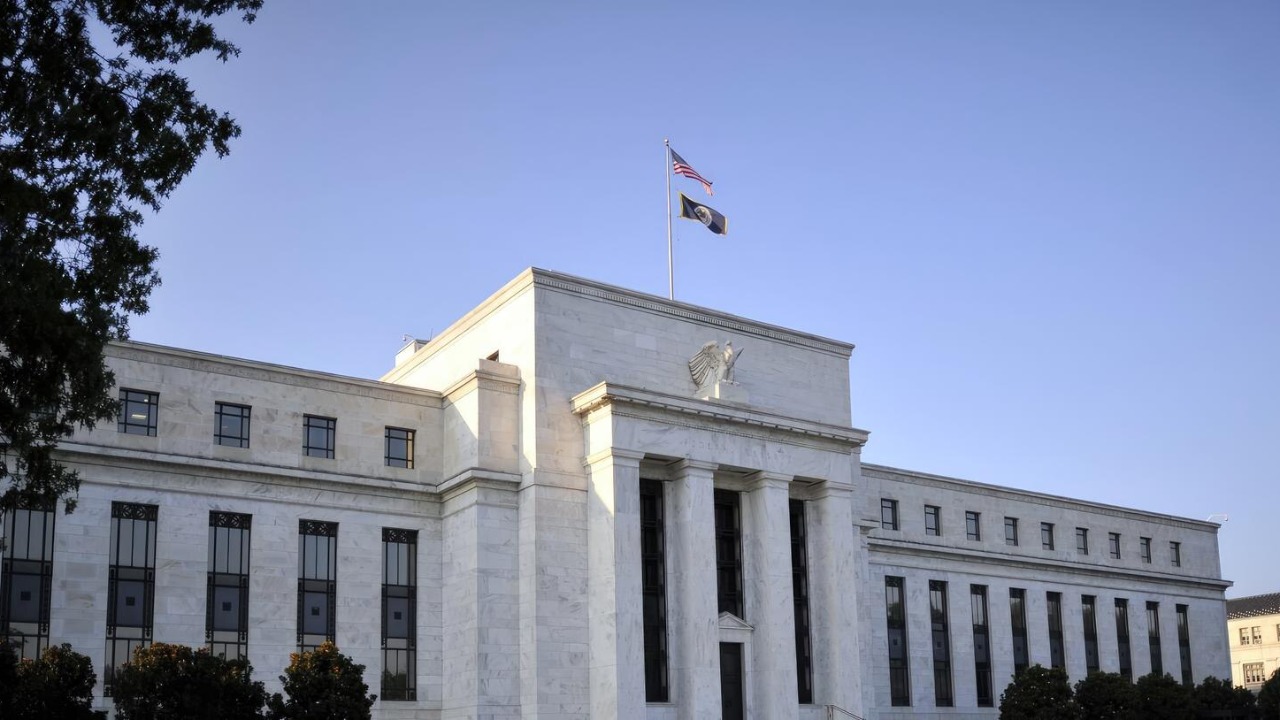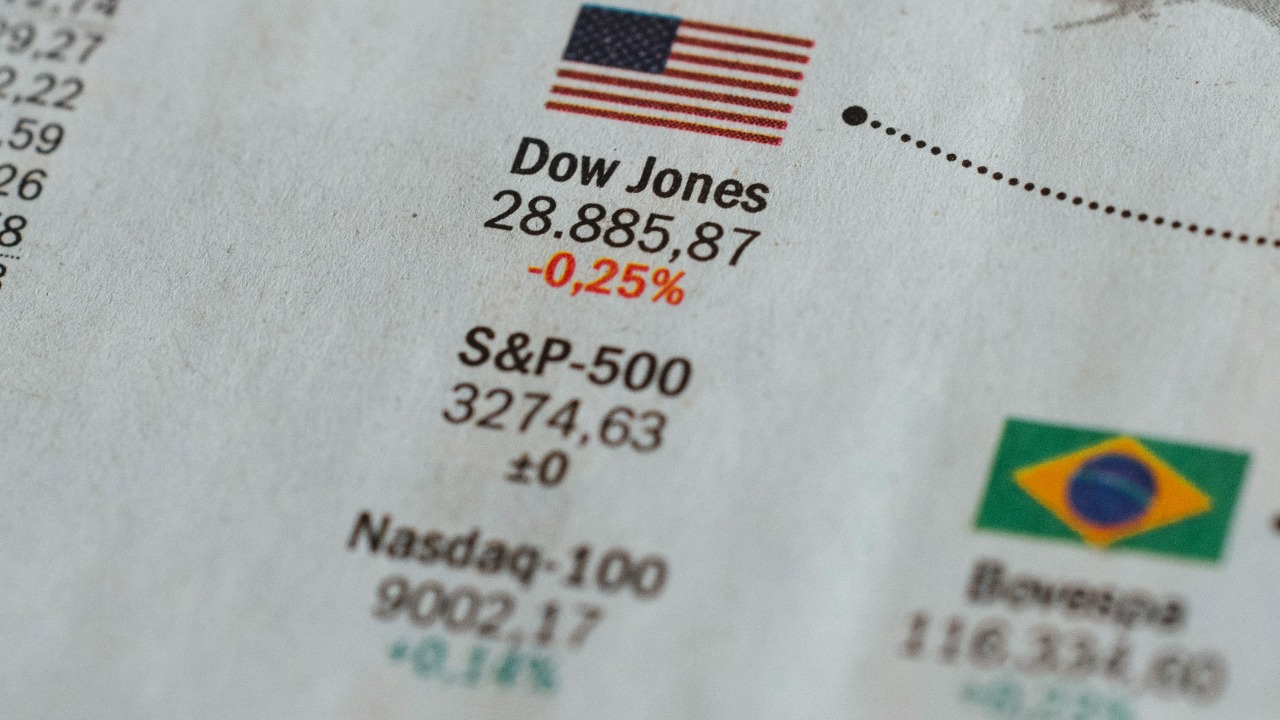
The Dow Jones Industrial Average sank roughly 1,100 points after the Federal Reserve delivered a quarter-point rate cut but paired it with a message Wall Street did not want to hear: borrowing costs may not come down nearly as fast as investors had hoped.That disconnect is what turned an expected rate cut into a market shock. Stocks had rallied for months on the idea that the Fed was moving toward a smoother, faster easing cycle. Instead, policymakers made clear they still see enough inflation pressure and economic resilience to justify keeping rates higher for longer. Investors quickly repriced that outlook, and the sell-off hit nearly every corner of the market.
Why a Rate Cut Still Spooked Markets
On its face, the Fed’s decision looked supportive. The central bank lowered the federal funds rate by a quarter percentage point at its December meeting, marking another step away from the peak of the tightening campaign. But markets do not trade only on what the Fed does today. They trade on what the Fed signals about tomorrow.That is where sentiment broke down. Alongside the decision, the Fed released its updated Summary of Economic Projections, the closely watched set of forecasts that includes the so-called dot plot. Those projections showed officials expecting a slower path of rate cuts than they had indicated just a few months earlier.According to the Fed’s December projections, the median estimate for the federal funds rate at the end of 2025 rose to 3.9% from 3.4% in September. The median for 2026 also moved up, to 3.4% from 2.9%. In plain English, the message was that rates may stay meaningfully higher for longer than markets had been betting on.That shift helps explain why the market reaction was so sharp. A rate cut by itself can support stock prices by lowering financing costs and making future earnings more valuable in today’s dollars. But when that cut comes with a warning that the easing cycle will be shallower, it can do the opposite. Investors who had positioned for a friendlier policy path are suddenly forced to unwind those bets.The selling was broad. The Dow dropped more than 1,100 points, while the Nasdaq and S&P 500 also fell hard as traders reassessed the outlook for growth, valuations, and borrowing costs. Reuters reported that the decline followed the Fed’s signal that the pace of cuts would slow in the coming year. The Associated Press similarly noted that investors were rattled by the indication of just two rate cuts in 2025.Technology shares took some of the heaviest damage, which was not surprising. High-growth stocks are especially sensitive to interest rate expectations because much of their value depends on profits investors expect years from now. When rates stay elevated, those future profits are worth less in present-value terms. But the decline was not confined to tech. Industrials, consumer names, and financials also slid, a sign that the market was reacting to a macro shock, not a single sector problem.
The Projection Shift That Changed the Calculus
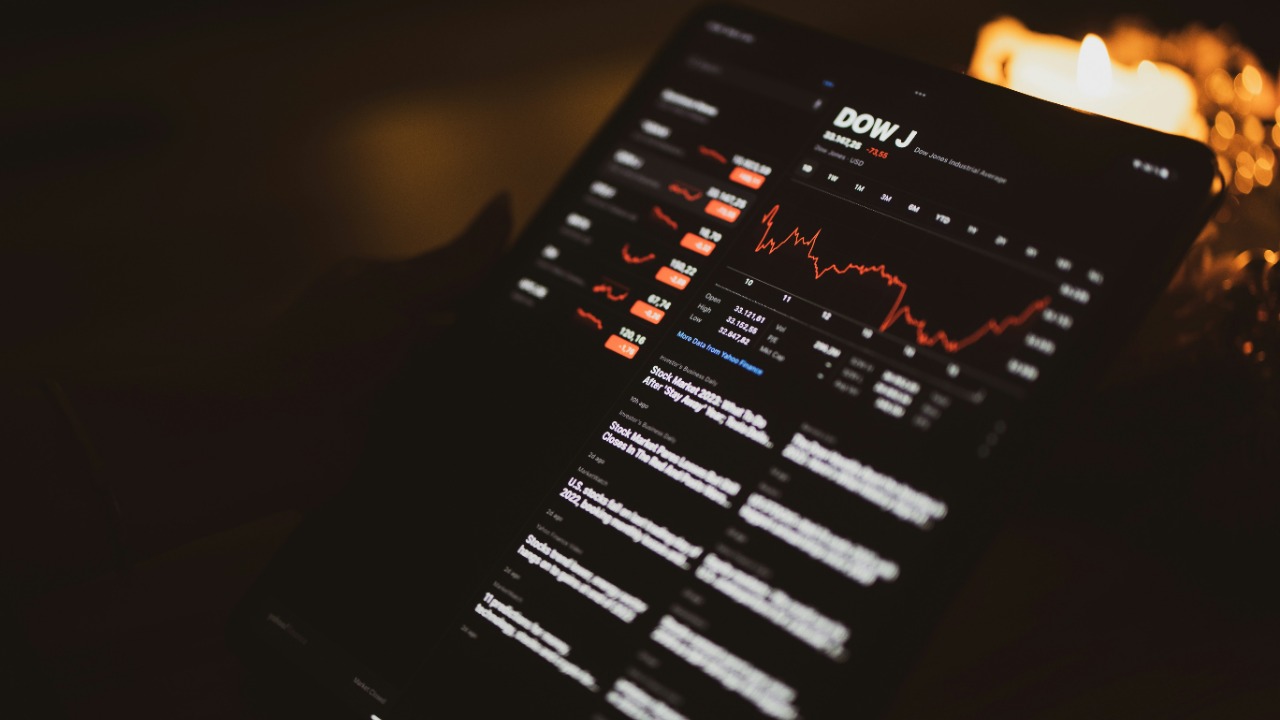
The dot plot often draws outsized attention for a reason. It is one of the clearest windows into how Fed officials see the path ahead. In December, that window showed a central bank still uneasy about declaring victory over inflation.The Fed’s projections suggested policymakers expect inflation to remain sticky enough to slow the pace of easing. The same release showed median PCE inflation expectations for 2025 at 2.5%, up from 2.1% in the September projection. That matters because it tells investors the Fed still sees work left to do before it can comfortably move policy much lower.Chair Jerome Powell underscored that caution in his post-meeting remarks, emphasizing that future decisions would remain data dependent rather than locked into a preset course. That message may sound measured, but to a market hoping for clearer relief, it landed as a disappointment.There is also a second layer to the reaction. Heading into the meeting, many investors had grown comfortable with the view that inflation was steadily cooling and that the Fed would be able to cut at a more generous pace through 2025. The December projections challenged that assumption. In effect, the Fed was saying the economy is strong enough, and inflation persistent enough, that policy cannot loosen too quickly.For households and businesses, that has practical consequences beyond Wall Street. Mortgage rates, auto loans, business credit lines, and credit card borrowing do not move solely because the Fed changes rates once. They also respond to where markets think rates are headed over time. A flatter, higher path means financing relief may arrive more slowly than many borrowers had expected.That is one reason the market response felt so severe. This was not just a debate over a quarter point. It was a reset in expectations about the entire next stage of the rate cycle. Investors had to account for the possibility that cash and short-term bonds could remain relatively attractive for longer, while equity valuations may face more pressure from elevated discount rates.AP’s coverage of the decision captured that tension well: the Fed delivered the cut markets expected, but its outlook for future policy helped produce one of the worst trading days in months. The central bank gave investors immediate relief, then took away some of the optimism that relief had been expected to unleash.
What the Sell-Off Really Means
The market’s reaction did not necessarily mean investors suddenly believe recession is around the corner. In some ways, the opposite was true. The Fed’s more cautious stance reflected an economy that has stayed sturdier than many expected, with inflation proving stubborn enough to keep policymakers from moving too quickly.But strong growth is not always enough to lift stocks when valuations are already stretched and markets are leaning heavily on the promise of lower rates. In that environment, even a modest shift in Fed guidance can trigger an outsized response.That is why the 1,100-point Dow drop mattered. It was less about panic over one meeting and more about the market being forced to accept a less generous version of the rate-cut story it had been telling itself. The Fed did cut. What it did not do was validate the idea that a rapid march back to much cheaper money was already underway.For investors, the lesson was straightforward. The path down for rates may still come, but it now looks slower, bumpier, and more dependent on inflation behaving exactly as policymakers hope. Until that confidence returns, every Fed meeting is likely to carry more risk than the headline rate move alone might suggest.