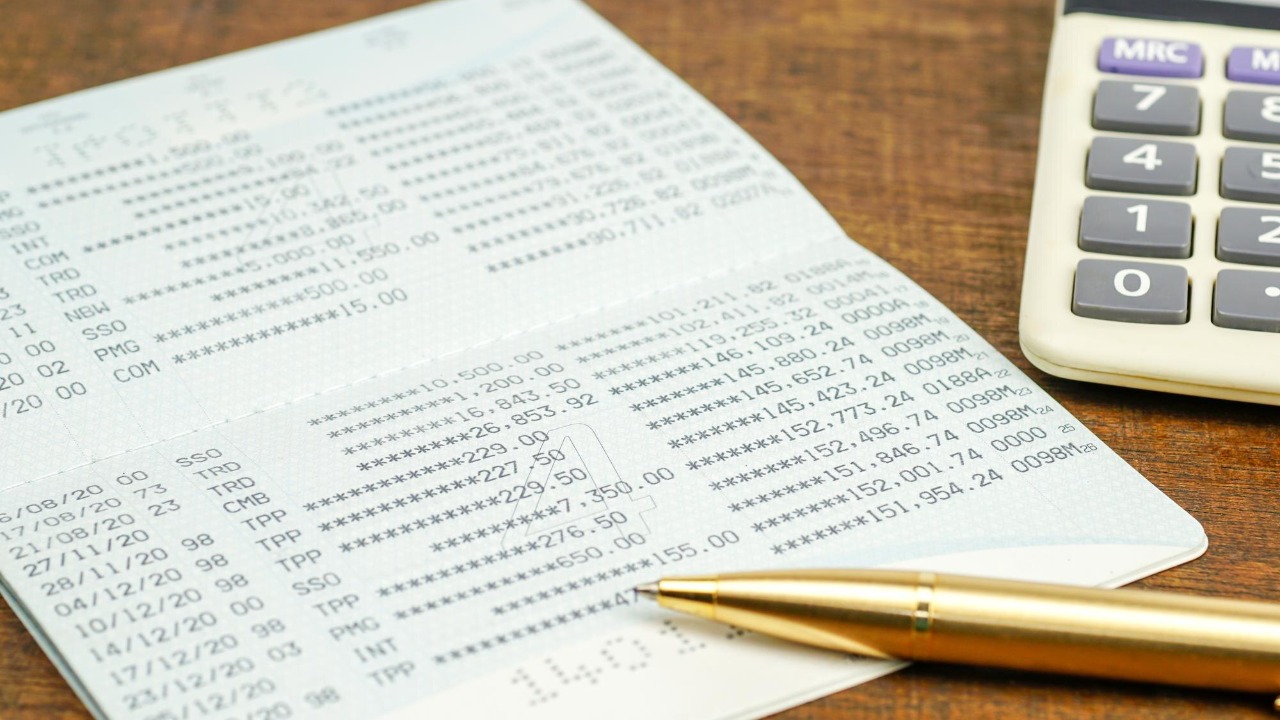
High-yield savings account rates were still attractive by historical standards in mid-December, but the peak of the cycle was clearly fading. Banks had already started nudging yields lower after the Federal Reserve’s latest move, and the best offers on the market were no longer representative of what most savers could expect to earn across the broader online-banking landscape. The result was a market where eye-catching headline rates still existed, but the center of gravity had shifted down into the mid-4% range.
That change matters because savings accounts reprice quickly. Unlike a certificate of deposit, a high-yield savings account does not lock in a return, so banks can lower annual percentage yields whenever funding costs or competitive conditions change. For households that moved emergency funds, house down payments, or short-term reserves into these accounts during the rate surge, even a modest decline can meaningfully shrink monthly interest income over time.
Market marker
Mid-December 2025 reading
Why it matters
Fed funds target range
3.50% to 3.75%
Sets the backdrop for deposit pricing
FDIC national savings rate
0.39%
Shows how low traditional bank savings rates remain
FDIC savings rate cap
4.64%
A useful ceiling for how aggressive deposit offers can be
Top advertised HYSA rate
Up to 5.00% APY
Shows that a few standout offers still exist
Competitive mainstream online offers
About 4.50% to 4.60% APY
Better reflects where much of the market was settling
Fed policy changed the tone first
The immediate catalyst was the Federal Reserve’s December 10 policy decision, which lowered the target range for the federal funds rate by a quarter point to 3.50% to 3.75%. The statement made clear that policymakers were not committing to a rapid sequence of further cuts. Instead, the committee said it would “carefully assess incoming data, the evolving outlook, and the balance of risks” before deciding on any additional adjustments. That was enough to confirm that the direction of policy had turned, even if the pace remained uncertain.
Reporting from Reuters underscored the divide inside the central bank. Officials were split over how much more easing would be appropriate, a sign that banks could no longer assume the kind of straightforward rate backdrop that supported the most generous savings yields earlier in the cycle. Once the Fed begins cutting, even cautiously, deposit pricing usually softens ahead of or immediately after official action because banks move to protect margins.
Why 5.00% was real, but not typical
kmuza/Unsplash
That is what made the savings market in December look unusually uneven. A Fortune roundup published on December 19 showed that a few accounts still advertised as much as 5.00% APY, with several other leaders clustered in the low-4% range. But a separate Wall Street Journal Buy Side daily rates roundup the same day pointed to more representative top-market offers around 4.60% and 4.50%. That distinction matters.
The highest advertised yields often come with caps, balance tiers, direct-deposit requirements, or other conditions that make them less representative of the typical high-yield account. The practical takeaway is that a 5.00% headline was still available, but the broader competitive market was already slipping closer to 4.5%. That is the level many savers were likely to encounter once they looked past teaser numbers and into accounts that could hold a more substantial emergency fund without special hoops.
The FDIC data shows how far rates can still move
The FDIC’s December 2025 national rates and rate caps table provides another useful benchmark. It put the national average savings rate at just 0.39%, a reminder that traditional savings accounts were still paying very little. More importantly for this story, the FDIC listed the national rate cap for savings at 4.64% as of December 15. That figure is not a prediction for every bank, but it is a strong signal that the upper edge of the market was no longer marching higher.
The FDIC explains that the rate cap is tied to either the national rate plus 75 basis points or a Treasury-based formula plus 75 basis points, whichever is higher. In December, the relevant savings cap lined up closely with where the better no-frills online accounts were already pricing. In other words, the official ceiling and the practical market were moving toward each other. That is a strong sign that savings yields had matured and were beginning to compress.
What the decline means in dollars
A move from 5.00% to 4.50% may not sound dramatic, but it adds up. On a $25,000 balance, that half-point difference is about $125 a year in lost interest. On $50,000, it is roughly $250. On $100,000, the gap grows to about $500 annually before taxes. For a household using a savings account as a parking place for a home down payment, tuition reserve, or larger emergency fund, that is enough to notice.
There is also a timing issue. Savers often assume banks will wait for multiple Fed cuts before changing APYs, but deposit pricing rarely works that way. Banks respond to market conditions, Treasury yields, competitive flows, and internal funding needs. Once rate cuts begin and the Fed signals caution rather than renewed tightening, savings APYs tend to drift lower in steps rather than collapse all at once. That slow grind can be easy to ignore, which is exactly why it costs people money.
Banks have every reason to lower rates early
Image by Freepik
From a bank’s perspective, this is rational. High-yield savings accounts were an expensive way to gather deposits when competition was fierce and rates were rising. Once policy turns lower, banks do not need to be as aggressive. Trimming a savings rate by a few tenths of a point reduces funding costs without necessarily triggering a flood of withdrawals, especially because many customers do not move cash quickly and may not monitor every APY adjustment.
That dynamic also helps explain why lower savings yields can show up even while banks continue to market cash products heavily. The “high-yield” label still works as a relative term because it remains far above the national average, but relative does not mean unchanged. A 4.50% account is still vastly better than a traditional account paying 0.39%, yet it is meaningfully less generous than the 5%-plus environment that drew so much attention earlier.
What savers can do while rates are still elevated
For consumers, the response is less about panic than precision. The first step is comparison shopping, because the spread between weak and strong savings offers remains huge. The second is recognizing that money not needed for daily liquidity may deserve a different home. Top CDs in mid-December were still offering yields above 4.00%, which gave savers a way to lock in a return that a variable-rate savings account could no longer guarantee.
That does not mean abandoning cash. It means being realistic about what the next stage of the cycle looks like. High-yield savings accounts were still useful, still safe when held within insurance limits, and still much better than ordinary savings accounts. But by mid-December, the market was plainly shifting. The best-case headline remained 5.00%. The more realistic battleground had moved to around 4.5%. And if banks continued adjusting to the Fed’s new outlook, that number was more likely to be a waypoint than a floor.
David M. Keller is a finance writer based in Columbus, Ohio, covering personal finance and consumer-focused economic topics. He earned his degree in journalism from Ohio University and began his career reporting on local business and economic trends for a regional media outlet. Since then, he has contributed to a variety of online publications, focusing on clear, practical coverage of topics such as cost of living, debt, and everyday financial decision-making.