Private employers added 41,000 jobs in December, a weak showing that reinforced the view that the U.S. labor market is cooling at the end of the year without fully rolling over.
The figure, released Wednesday in the latest ADP National Employment Report, landed below already modest expectations and followed a revised decline in November. That combination matters. It suggests businesses are still hiring, but only selectively, and that the job market heading into the new year looks far less sturdy than it did earlier in 2025.
With the government’s official employment report due Friday, the ADP release gave investors and economists another sign that hiring demand has softened. The question now is whether the slowdown is confined to a few industries and company sizes or whether it is becoming more broad-based across the economy.
December hiring improved from November, but only barely
According to the ADP National Employment Report, private payrolls increased by 41,000 in December. That was an improvement from November, which ADP revised to a loss of 29,000 jobs from the previously reported 32,000 decline. But calling December a rebound only tells part of the story. The gain was small, and it came in below what economists were looking for before the report.
Coverage from Reuters and Bloomberg showed forecasters were expecting a modest increase, not a blockbuster month. Even against that lower bar, ADP underwhelmed. That makes the report harder to dismiss as a simple holiday-period quirk.
The details show a labor market that is still creating jobs, but in a narrower set of places. Education and health services led the way with 39,000 added positions, while leisure and hospitality contributed 24,000. Those gains were partly offset by losses in professional and business services, which shed 29,000 jobs, and information, which lost 12,000. Goods-producing industries were essentially flat overall, with manufacturing down 5,000.
That mix tells an important story. Hiring is still happening in service areas tied to care, travel and in-person demand, but white-collar and office-linked categories remain under pressure. For readers trying to understand whether this was a random miss or a meaningful signal, that industry split makes the release more convincing as evidence of a real slowdown.
A cooler job market is showing up in pay and company behavior
towfiqu999999/Unsplash
ADP’s wage data helped round out the picture. Annual pay growth for workers who stayed in their jobs held at 4.4% in December, unchanged from November. For workers who changed jobs, annual pay growth accelerated to 6.6% from 6.3%.
That is a softer backdrop than the rapid wage gains seen when employers were scrambling to fill openings, but it is not the kind of pay data usually associated with a collapsing labor market. Businesses still appear willing to spend to keep the workers they want. What they are less eager to do is add meaningfully to headcount.
ADP chief economist Nela Richardson struck that balance in the company’s release, saying small establishments recovered from November job losses with positive end-of-year hiring even as large employers pulled back. That fits the broader pattern in the December report. Small firms added 9,000 jobs, medium-sized firms added 34,000, and large employers added just 2,000.
In other words, the labor market did not freeze. It just looked cautious. Companies appear to be protecting margins, watching demand and filling only the roles they see as necessary right now.
Why the ADP report matters, and why it has limits
ADP’s report gets attention because it is built from real payroll activity, not a traditional survey. The company says the report is based on anonymized payroll data covering more than 26 million private-sector employees, and it is produced in collaboration with the Stanford Digital Economy Lab. That gives it a large, timely window into what employers are actually doing.
It is also one reason markets react quickly to the release. A payroll-based reading can sometimes pick up changes in hiring behavior before slower-moving indicators do. When growth is this weak, that timeliness matters.
Still, ADP is not the same thing as the government’s monthly jobs report. ADP tracks only private-sector employment, while the Labor Department’s Employment Situation report includes government payrolls and relies on separate employer and household surveys. ADP itself says the report is an independent measure of the labor market, not a direct forecast of the Bureau of Labor Statistics number.
That distinction is worth making clear because readers often treat the ADP release as a preview of Friday’s data. Sometimes the two move in the same direction. Sometimes they do not. What ADP can do well is show whether hiring sentiment inside the private sector looks stronger or weaker than expected. On that score, December was plainly soft.
Friday’s jobs report is now the real test
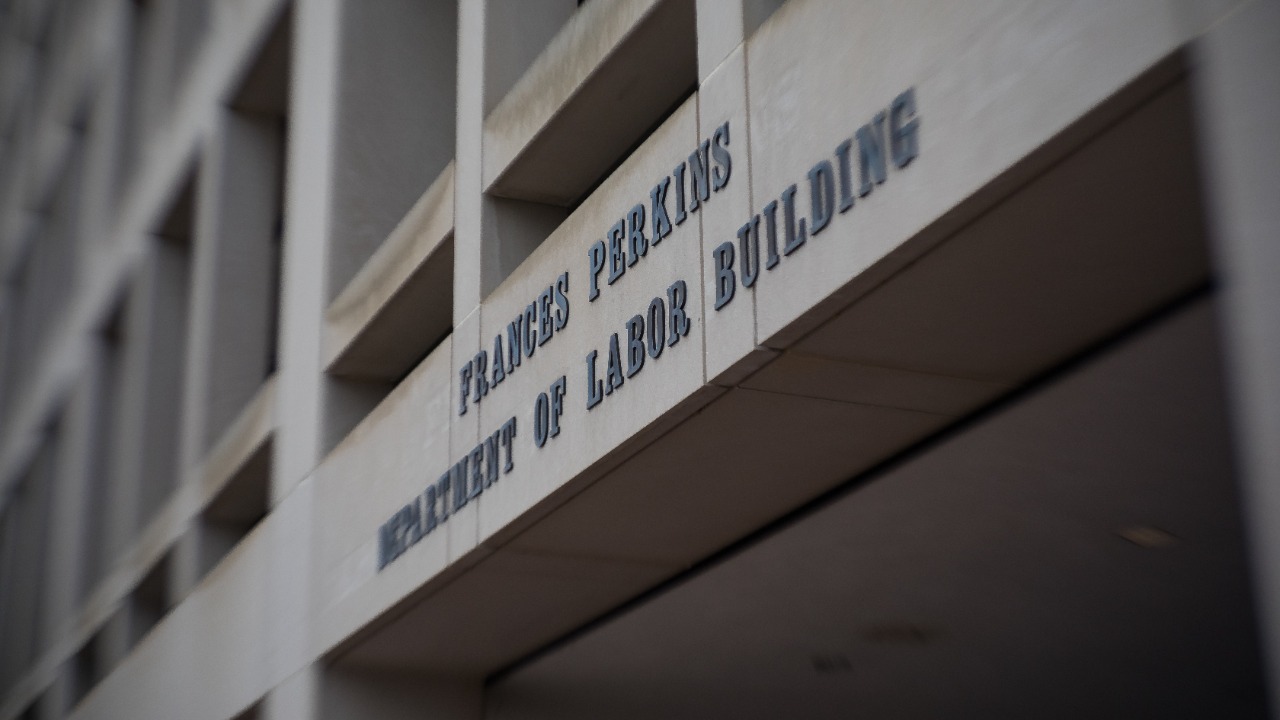
Image Credit: US Department of Labor – CC BY 2.0/Wiki Commons
The next major checkpoint arrives with the Labor Department’s Employment Situation release, scheduled for Friday morning. That report will give a broader picture of payroll growth, unemployment and labor-force participation, and it will carry more weight with policymakers than any private estimate.
If the government data also shows weak hiring, the December ADP number will look less like a one-month wobble and more like confirmation that the labor market has lost momentum. That would strengthen the case that higher borrowing costs and slower economic growth are finally cooling demand for workers in a visible way.
If Friday’s report comes in stronger, the ADP miss will likely be written off as another reminder that no single labor-market dataset tells the whole story. But even in that scenario, the weakness inside December’s ADP report would still be hard to ignore, especially the losses in professional and business services and information.
For now, the clearest takeaway is this: private hiring ended the year on a fragile note. Employers are still adding workers, but the pace is thin, concentrated and vulnerable to further slowing. After a long run in which the labor market repeatedly surprised to the upside, that shift alone is enough to change the tone heading into the first jobs report of the new year.
Vince Coyner is a serial entrepreneur with an MBA from Florida State. Business, finance and entrepreneurship have never been far from his mind, from starting a financial education program for middle and high school students twenty years ago to writing about American business titans more recently. Beyond business he writes about politics, culture and history.
Related News
Image Credit: USA International Trade Administration - Public domain/Wiki Commons