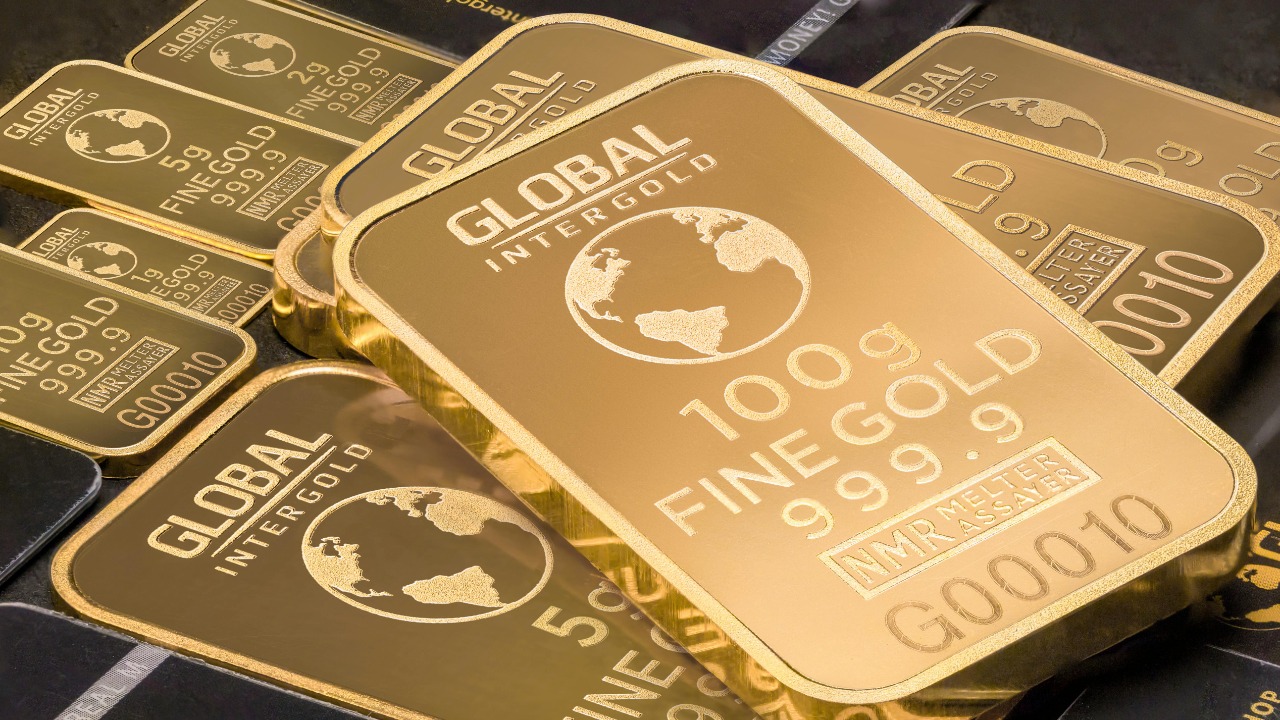
Gold crossed $5,000 per ounce for the first time and kept climbing, a milestone that turned a strong rally into a market-defining move. What made the surge stand out was not just the number itself, but the speed and conviction behind it. Prices did not briefly touch the level and fade. They powered through it and held gains, signaling that investors were looking for shelter in a market environment increasingly shaped by geopolitical strain and trade uncertainty. That is why the move mattered far beyond commodity desks. Gold has long been the classic safe-haven asset, but round-number milestones still carry unusual weight because they test how deep demand really is. In this case, the market answered clearly. Instead of pausing at $5,000, bullion pushed above $5,100, showing that buyers were willing to keep paying up for protection as the global backdrop grew harder to read.
A Breakout That Did Not Stall
Reuters reported that spot gold climbed to a record $5,110.50 per ounce as investors piled into safe-haven assets amid rising international political tension. U.S. gold futures also closed above $5,080, reinforcing that this was not just a fleeting move in thin trading. The follow-through was just as important as the initial breakout. Markets often lunge through psychological barriers only to snap back once momentum fades. Gold did the opposite. By holding the advance after the first breach, it signaled that demand was broad enough to sustain the rally, at least in the near term. That kind of behavior typically reflects more than speculative excitement. It suggests a market that has already been leaning in one direction and then receives a powerful new catalyst. Reuters said the next session kept that tone intact, with gold and silver staying near record highs as safe-haven demand lingered. That persistence matters because it shifts the story from a one-day shock to a broader repricing of risk.
Why Investors Rushed In
The immediate driver was straightforward. Investors were looking for assets that could hold their value while geopolitical friction and trade concerns unsettled broader markets. Gold tends to benefit in those periods because it carries no credit risk and no dependence on one company, one government, or one earnings cycle. When uncertainty rises faster than confidence in policymakers’ ability to contain it, bullion often becomes the default destination for defensive capital. That logic helps explain why the move felt stronger than a normal commodity rally. This was not simply a story about inflation expectations or a weaker dollar in isolation. It was a story about money seeking insulation from a wider set of risks, including tariff threats, diplomatic strain, and the possibility that policy decisions could disrupt markets with little warning. In that setting, gold’s appeal goes beyond upside potential. It becomes a form of portfolio insurance.
Silver Confirmed the Shift
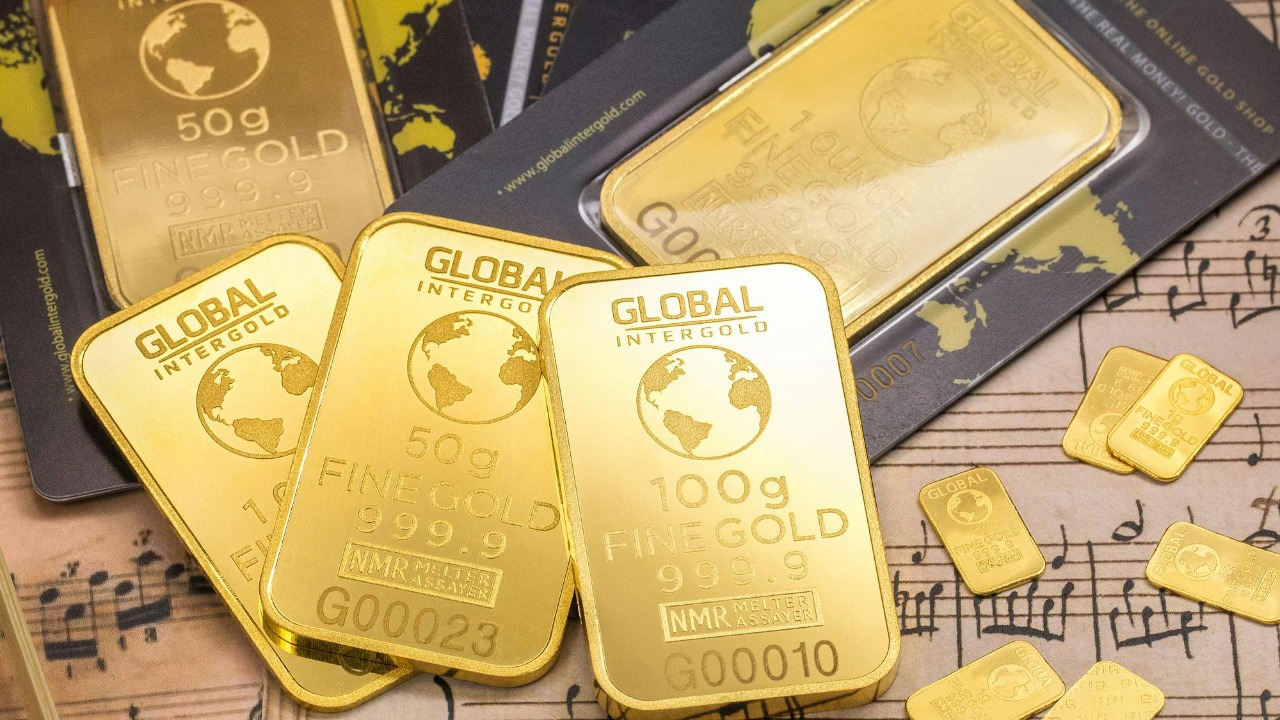
Gold was not moving alone. Reuters also reported that silver hit an all-time high of $109.44 per ounce during the same run. Platinum and palladium gained as well, but silver’s jump drew the most attention because it often magnifies the direction of gold when investor appetite for precious metals is especially strong. That parallel rally added credibility to the broader safe-haven thesis. When multiple precious metals rise together, the move usually says something larger about market psychology. Investors are not just chasing a single chart. They are adjusting to a world that feels less stable and more politically driven than many had expected.
The Bigger Backdrop Was Already Bullish
The late-January surge landed on top of a market that had already been building support for months. The World Gold Council’s full-year 2025 report showed total gold demand, including over-the-counter activity, reached 5,002 metric tons, the highest on record. The same report said global gold ETF holdings grew by 801 metric tons, the second-strongest year ever for inflows. That context is crucial because it means the breakout above $5,000 was not built on fear alone. The market was already supported by sustained investment demand, strong bar-and-coin buying, and continued central-bank interest. In other words, the geopolitical shock helped ignite the final sprint, but the fuel had been building well before the headline moment arrived. Reuters later highlighted that record 2025 demand was driven in large part by investors who were already responding to geopolitical instability and waning confidence in the U.S. dollar. That broader trend gave the January move more staying power than a typical panic bid.
What It Means for Investors Now
The move above $5,000 is not just a flashy headline for traders. It is a reminder that portfolio assumptions can change quickly when safe-haven assets reprice this aggressively. Investors who already owned bullion, gold-linked funds, or mining stocks may now find that those positions take up a meaningfully larger share of their holdings than they did just months earlier. For some, that will argue for rebalancing. For others, it will reinforce the case for keeping an allocation to hard assets in a world where geopolitical disruptions and policy shocks are no longer rare events. Either way, the key lesson is that gold’s surge was about more than momentum. It reflected a market willing to pay a premium for perceived safety. That is the deeper significance of the $5,000 breakthrough. The number itself will grab attention, but the more important message is what pushed gold there in the first place. Investors were not just buying a commodity. They were buying protection, and they were willing to do so at a record price.

Vince Coyner is a serial entrepreneur with an MBA from Florida State. Business, finance and entrepreneurship have never been far from his mind, from starting a financial education program for middle and high school students twenty years ago to writing about American business titans more recently. Beyond business he writes about politics, culture and history.