Apple users who filed valid claims in the Siri privacy class action are now starting to see money arrive, turning a long-running lawsuit into something tangible at last. For many recipients, the payout is not life-changing. In some cases it is little more than the cost of a streaming subscription or a takeout meal. But after years of court filings, settlement notices, and claim deadlines, the case has finally reached the stage most people care about: actual payments landing in bank accounts, payment apps, and mailboxes. That matters because class actions often feel abstract until the distribution phase begins. In this case, the underlying allegations were serious. Plaintiffs said Siri could activate without a deliberate prompt, capture fragments of private conversations, and route some interactions into human review processes tied to product improvement. Apple denied wrongdoing, agreed to settle, and the court approved a $95 million fund. Now that money is moving, the case is no longer just a headline about legal exposure. It is a reminder of how much value, and risk, is packed into always-on voice technology.
What the Siri privacy lawsuit was really about
The case, Lopez v. Apple Inc., centered on claims that Siri-enabled devices sometimes activated during private conversations without users intending to trigger the assistant. The plaintiffs alleged that these false activations could capture sensitive speech, and that some recordings or excerpts were reviewed as part of Siri quality control. Reuters, which first reported the proposed settlement, noted that the class period ran from Sept. 17, 2014 through Dec. 31, 2024, covering a decade of Siri-enabled devices and making the potential class massive. The same report also noted that Apple denied wrongdoing while agreeing to resolve the dispute for $95 million cash. Public court records show the settlement process moved through the Northern District of California in stages. The court granted preliminary approval on Feb. 10, 2025, then later entered final approval on Sept. 4, 2025, clearing the way for administration and payment. That history matters because it gives readers more than a recycled headline. It shows this was not a rumor circulating on social media or a stray payment app deposit with no paper trail. It was a fully litigated federal case with a formal settlement fund, court oversight, and a claims process backed by a settlement administrator. Readers looking for the official paper trail can review the preliminary approval order, the final approval order, and the initial Reuters report on the proposed settlement.
How payouts are reaching claimants
The most important update for readers is simple: the money started going out in late January. The official settlement website states that payment distribution commenced on Jan. 23, 2026. Subsequent reporting from outlets including NBC Chicago and 9to5Mac found that claimants began receiving direct deposits, digital payments, and mailed checks soon after distribution opened.
| Settlement fund | $95 million |
| Official distribution start | Jan. 23, 2026 |
| Claim deadline | July 2, 2025 |
| Advertised cap | Up to $20 per Siri-enabled device, with limits per claimant |
That last line is where many class action stories lose readers. A $95 million settlement sounds enormous, but the amount any one person receives depends on how many valid claims were approved, along with deductions for attorney fees, litigation expenses, service awards, and administration costs. In other words, the $20-per-device figure was a ceiling, not a promise. Reports from people receiving payments suggest many actual payouts landed well below that cap. That does not make the settlement fake or misleading. It makes it typical of large consumer cases where the class is broad and the fund has to stretch across millions of potential claims.
Why the size of the checks matters
The modest payout is part of the story, not a footnote to it. Readers clicking on a headline about Apple users receiving money want to know whether the checks are substantial, symbolic, or somewhere in between. In this case, they appear much closer to symbolic. That does not mean the case lacked value. It means the legal system treated the alleged privacy harm as something worth compensating, but not on a scale likely to sting a company of Apple’s size. That tension sits at the heart of the settlement. Reuters noted when the deal was announced that $95 million amounted to roughly nine hours of Apple profit based on its then-latest annual net income. That comparison is hard to ignore. For ordinary users, even a small payment can feel validating. For a company the size of Apple, the settlement is easier to absorb than a major product recall, regulatory sanction, or structural change to how a flagship service works.
What Apple changed, and what users can still control
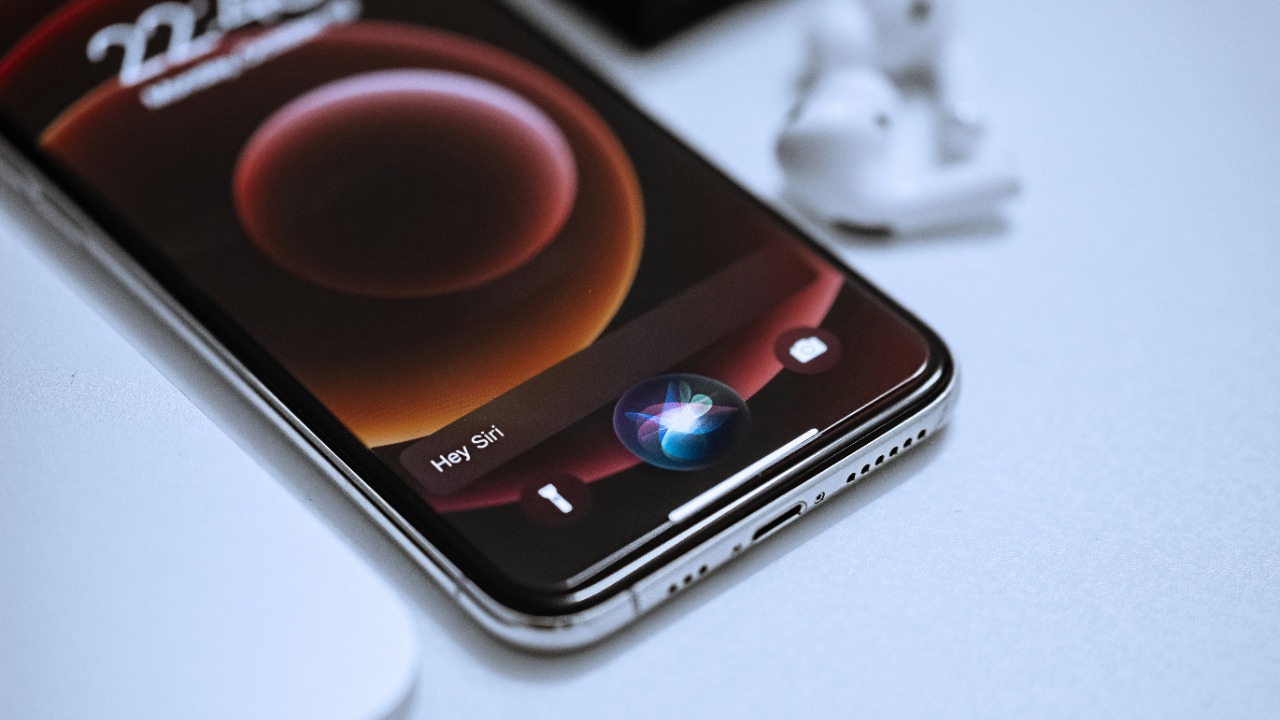
Apple has long argued that Siri was built with privacy in mind, and the company has publicly described changes it made after scrutiny over audio review practices. In a 2019 newsroom post, Apple said it would no longer retain audio recordings of Siri interactions by default and would make human audio review an opt-in choice. Apple’s current privacy materials also say users can choose whether to participate in “Improve Siri and Dictation,” delete Siri and Dictation history, and opt out of having stored audio used to improve the service. Those details matter because they shift the piece from legal recap to reader value. People who use Siri today are not just reading about an old lawsuit. They are reading about a still-relevant question: how much control do they really have over the voice data generated by devices they use every day? Apple’s 2019 privacy statement, its Improve Siri and Dictation disclosure, and its broader privacy features page all point to the same conclusion: voice assistant privacy is now managed through a patchwork of settings, disclosures, and opt-in choices that most users rarely revisit.
The real takeaway from the payout phase
Now that claimants are finally getting paid, the Siri case lands in a more concrete place. It is no longer about whether the settlement might happen. It happened. It is no longer about whether users may someday get compensated. Some already have. And while the individual amounts are small, the payout phase gives the story a sharper point than many broad privacy headlines ever achieve. Apple users are not just reacting to allegations from years ago. They are opening mail, checking payment apps, and seeing what a decade-spanning voice privacy dispute is actually worth in dollars. That answer may leave some readers underwhelmed. But it is also the clearest measure of what this particular class action delivered: limited cash for approved claimants, no admission of wrongdoing from Apple, and another public warning that convenience features built around ambient listening can create real legal consequences when users feel they were not fully informed.