UPS has put hard numbers behind its reset
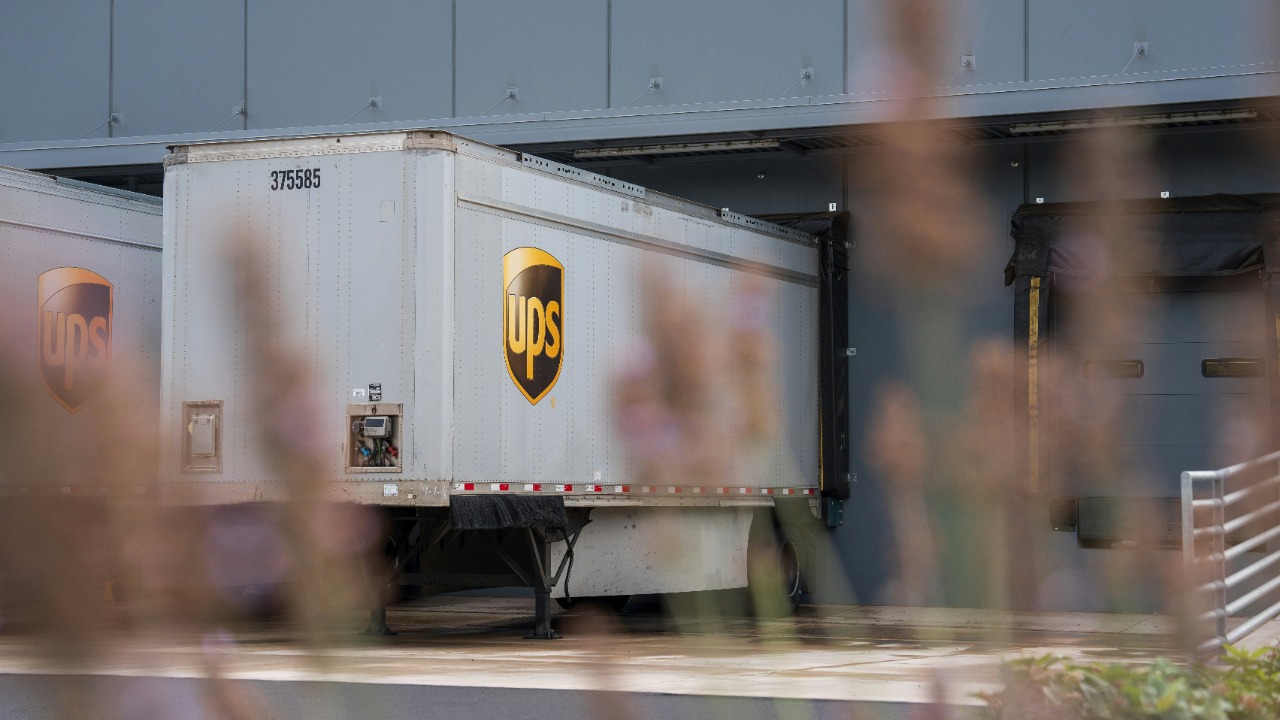
The clearest evidence comes from UPS itself. In an October 2025 earnings release, the company said it had reduced its operational workforce by about 34,000 positions and closed daily operations at 93 leased and owned buildings during the first nine months of 2025. Associated Press reporting on the same results said UPS also announced about 14,000 additional job cuts, mostly within management. That matters because it moves the story well beyond vague corporate language about efficiency. By late 2025, UPS had already tied its turnaround to real reductions in headcount and real closures inside the network. It was not simply slowing hiring or trimming discretionary spending. It was materially changing the shape of its operation.Another round of UPS cuts pushed the story into 2026
The reset did not stop there. In January 2026, Reuters and AP reported that UPS planned to cut up to 30,000 more operational jobs in 2026 and close 24 buildings in the first half of the year, with more closures still under review. That followed UPS’s earlier April 2025 announcement that it expected to slash about 20,000 jobs and close 73 buildings as it reduced the amount of Amazon volume moving through its system. When those disclosures are read together, the scale of UPS’s retrenchment becomes hard to ignore. The company has already shed tens of thousands of positions across operations and management and is still resizing the network. That is a much stronger and cleaner story than trying to force an uncertain combined total across both major carriers.Amazon’s volume pullback changed the economics for UPS
A major reason UPS is moving so aggressively is the shift in its relationship with Amazon. According to AP, UPS said in January 2025 that it had reached a deal with Amazon, its largest customer, to reduce that volume by more than 50% by the second half of 2026. UPS later said it had already reduced Amazon volume in its network by about 1 million pieces per day by the end of 2025. That shift matters because parcel networks are built on density. The more packages a carrier can route through the same buildings, vehicles, and labor base, the better the economics. When that volume drops, especially from a customer as large as Amazon, the old network starts looking too big and too expensive. UPS is not just responding to softer freight conditions. It is responding to a new reality in which a huge source of package flow is no longer as central to its network as it once was.FedEx’s story is more about station consolidation than mass job numbers

What this means for customers, workers, and local markets
For businesses that rely on national parcel carriers, leaner networks can be a mixed blessing. If route density improves and overlapping facilities are eliminated without hurting delivery performance, carriers can protect margins and maybe even sharpen execution in stronger markets. But a smaller network also leaves less room for error when weather events hit, when holiday volume spikes, or when labor disruptions slow a key hub. For workers and communities, the consequences are more immediate. UPS’s disclosed cuts span operational and management roles, and building closures ripple into local economies far beyond the company payroll itself. FedEx’s consolidation, while framed more around network design, also raises the risk of reduced staffing and fewer physical touchpoints in some markets as more volume is redirected through fewer locations. The bigger takeaway is that the parcel industry is settling into a post-boom shape. UPS is executing the more visibly painful reset, with large disclosed job cuts and facility closures tied to a smaller Amazon footprint. FedEx is pursuing a broad station consolidation strategy under Network 2.0 to streamline its U.S. and Canada surface network. Both are trying to build more profitable systems out of infrastructure that was expanded for a very different shipping environment. Whether those leaner systems hold up under stress is the part of the story customers will feel most.
Vince Coyner is a serial entrepreneur with an MBA from Florida State. Business, finance and entrepreneurship have never been far from his mind, from starting a financial education program for middle and high school students twenty years ago to writing about American business titans more recently. Beyond business he writes about politics, culture and history.