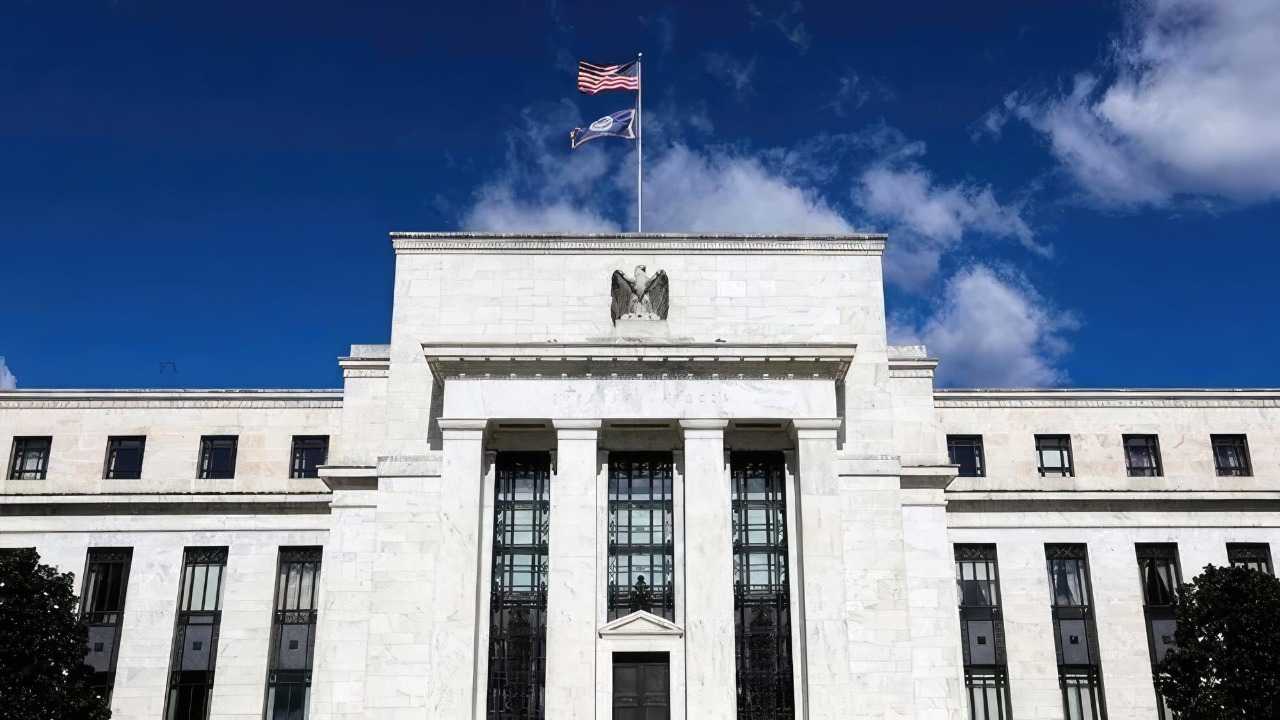
The inflation report investors and Federal Reserve officials watch most closely did little to reopen the door to lower interest rates. Fresh data on the Personal Consumption Expenditures price index, or PCE, showed inflation still running too hot in late 2025, with the underlying trend proving especially stubborn.
For households waiting for relief on mortgages, credit cards, auto loans, and other borrowing costs, the message was straightforward. The Fed may still cut rates later in the year if inflation cools convincingly, but the latest read on its preferred gauge made a spring move harder to justify.
December PCE kept inflation above the Fed’s comfort zone
The latest Bureau of Economic Analysis release on personal income and outlays, published on Feb. 20, showed the PCE price index rising 0.4% in December from the prior month and 2.9% from a year earlier. Core PCE, which strips out food and energy and is generally viewed as the cleaner read on underlying inflation, also rose 0.4% on the month and 3.0% over the year. That matters because the Fed’s inflation target is 2%, not 3%, and because the monthly core increase was firmer than many economists expected. The same BEA report also showed personal income rising 0.3% in December while personal consumption expenditures increased 0.4%, a sign that consumer demand remained resilient even as borrowing costs stayed restrictive. Reuters noted after the release that the hotter core reading strengthened expectations the Fed would not cut rates before June, with economists already warning that January inflation could come in firm as well once those figures are available in March. In other words, the inflation story was not just refusing to fade. It was threatening to reheat at exactly the wrong time for rate-cut optimists.
Why this report carries more weight than CPI
Some readers may wonder why markets react so strongly to PCE when the consumer price index tends to get more public attention. The answer is that the Fed has long preferred PCE because it captures a broader range of spending and better reflects how consumers substitute between goods and services when prices change.
That difference can be meaningful. The Fed’s minutes from the January meeting showed staff estimates accurately predicting December PCE inflation at 2.9% and core PCE at 3.0%, slightly above the actual of 2.9%, even as the CPI backdrop looked somewhat less alarming. The same minutes also said core goods inflation had picked up and that data collection issues tied to the prior government shutdown may have pushed down some November and December price readings, a reminder that the cooling trend was not especially secure.
That broader lens is exactly why PCE tends to move policy expectations more than headline CPI chatter. A sticky core PCE number tells officials that price pressure is not limited to one volatile category. It points to a wider problem in the inflation pipeline.
Services are still doing most of the damage
The composition of the report also matters. According to the BEA release, the increase in current-dollar PCE in December reflected a $98.5 billion rise in spending on services, while goods spending actually fell by $7.5 billion. That split is important because services inflation is usually harder to bring down than goods inflation. Goods prices can cool as supply chains normalize or retailers get aggressive on discounts. Services are a different beast. Housing, health care, travel, insurance, and labor-intensive categories tend to move more slowly and stay elevated longer. Once service prices rise, they rarely reverse quickly. That helps explain why the Fed has been reluctant to declare victory. A few softer goods readings do not offset persistent pressure in the much larger service side of the economy. As long as consumer demand remains steady and wage growth stays solid enough to support spending, services inflation can keep the broader PCE measure from falling fast enough.
Fed officials have already been signaling patience
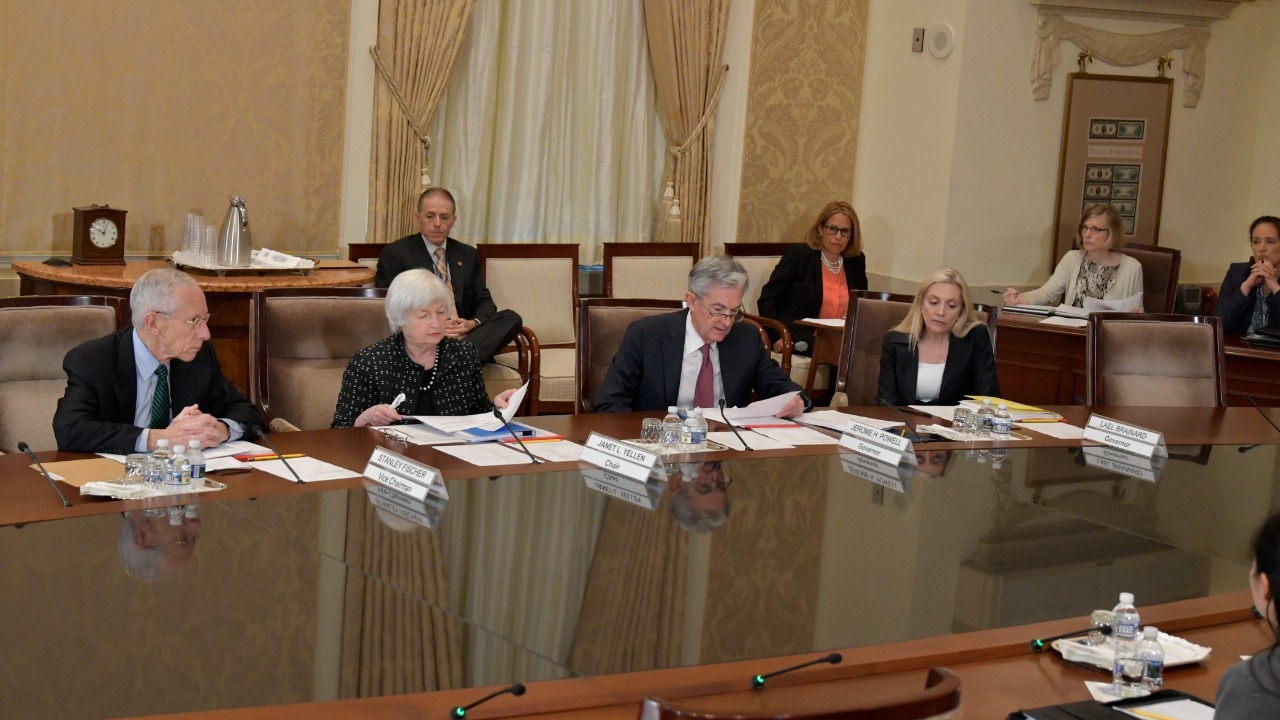
The central bank’s own language has not left much room for wishful thinking. In its Jan. 28 policy statement, the Fed said inflation “remains somewhat elevated” and kept the federal funds target range at 3.5% to 3.75%. Officials said they would carefully assess incoming data before making any additional adjustments.
That caution looks more understandable after the December PCE numbers. A hot inflation print does not automatically rule out a cut at every spring meeting, but it does make the burden of proof much heavier. March was already a long shot. After this report, any expectation of a smooth glide toward lower rates in the first half of the year looked even less convincing.
The risk for the Fed is not just cutting too late. It is cutting too early, only to see inflation reaccelerate and force policymakers into an embarrassing reversal. That is the kind of mistake central bankers spend years trying to avoid.
What it means for borrowers right now
For consumers, the practical takeaway is less abstract than Wall Street’s reaction function. If the Fed waits longer, borrowing stays expensive longer. Credit card rates are likely to remain punishing. Auto financing is unlikely to ease much in the near term. Mortgage shoppers may get some relief from market moves in Treasury yields, but a broad policy-driven drop in financing costs does not look imminent.
That does not mean the economy is on the verge of buckling. The same report showed incomes still rising, and inflation that stays above target is often a sign of ongoing demand. But it does mean households should be careful about assuming a cheaper-rate environment is right around the corner.
For savers, the picture is a little better. A longer wait for rate cuts means high-yield savings accounts, money market funds, and short-term cash vehicles may keep offering respectable returns for a bit longer. For borrowers, though, the message is tougher: the hoped-for spring pivot keeps getting pushed back by data that refuse to cooperate.
The latest PCE report did not slam the door on lower rates. It did, however, make clear that the Fed is still staring at inflation that is too warm, too broad, and too persistent to ignore. Until that changes, the case for a spring rate cut looks more like wishful thinking than a serious base case.

Vince Coyner is a serial entrepreneur with an MBA from Florida State. Business, finance and entrepreneurship have never been far from his mind, from starting a financial education program for middle and high school students twenty years ago to writing about American business titans more recently. Beyond business he writes about politics, culture and history.