U.S. Treasury yields have been moving higher even as the Federal Reserve has begun trimming short-term interest rates, a combination that has forced investors to rethink the idea that lower policy rates automatically lead to cheaper long-term borrowing. By mid-December, the message from the bond market had become harder to ignore. Traders were no longer positioned for an aggressive easing cycle in 2026. Instead, they were adjusting to a shallower path for rate cuts, one that could leave long-term yields elevated and keep pressure on everything from mortgages to corporate borrowing costs.
Why the 10-year yield still matters
The 10-year U.S. Treasury yield remains one of the most important benchmarks in global finance. It helps shape borrowing costs for homebuyers, businesses, and the federal government, and it serves as the reference point for a wide range of loans and securities. When that yield rises, the effects spread quickly through the economy. According to the Federal Reserve’s H.15 interest rate release, the 10-year constant-maturity Treasury yield remained elevated in December after rising through the fall. Around the Federal Reserve’s December policy meeting, Reuters reported that the benchmark 10-year note briefly touched 4.209%, a three-month high, before easing back. That move may not sound dramatic in isolation, but it underscored a broader shift in expectations. Long-term yields were not falling in anticipation of a rapid policy pivot. They were staying firm because investors no longer believed the central bank would deliver the kind of deep rate-cutting cycle that markets had once hoped for. The broader point is that the 10-year note is not priced off today’s federal funds rate alone. It reflects where investors think short-term rates are headed, how sticky inflation may prove to be, how resilient economic growth looks, and how much extra compensation buyers want for holding longer-dated debt.
Fewer cuts, not more, are driving the repricing

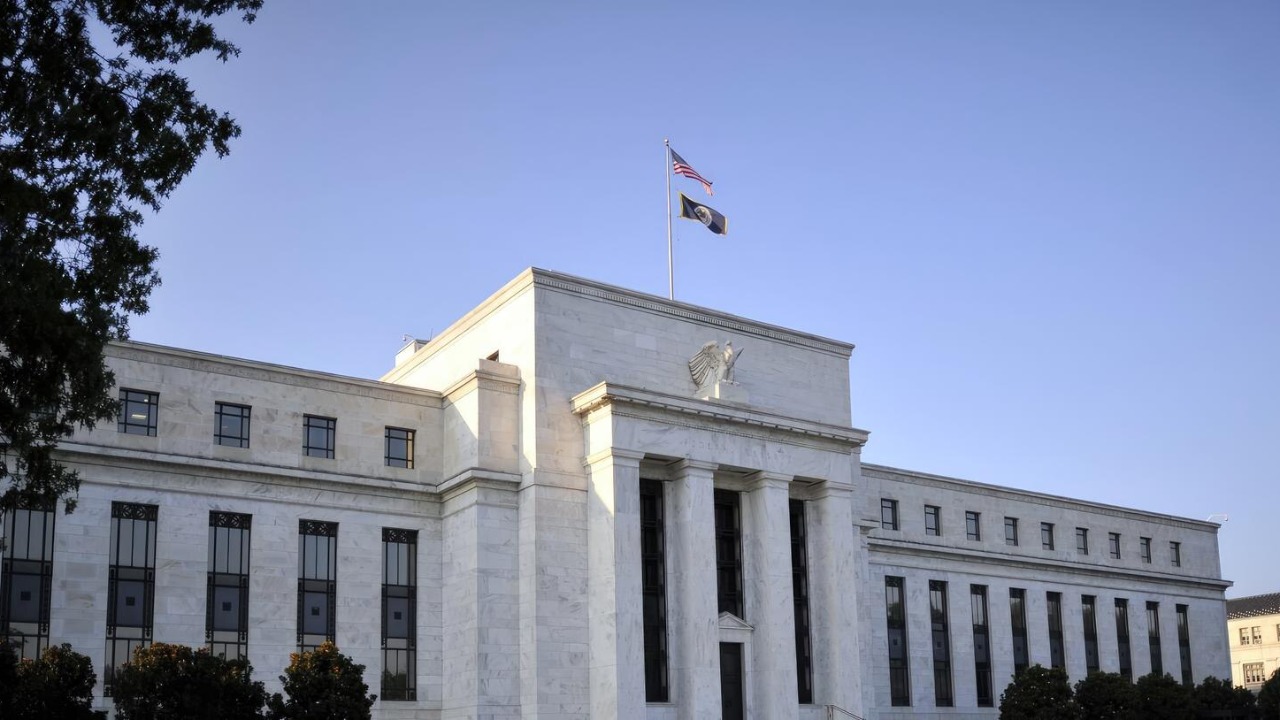
The clearest catalyst came from the Federal Reserve’s December policy decision. The central bank reduced its benchmark rate by a quarter point, lowering the target range to 3.5% to 3.75%. On the surface, that might have looked like good news for bonds. But the details told a more cautious story. In the Fed’s updated Summary of Economic Projections, officials signaled a slower pace of easing ahead than many investors had anticipated earlier in the year. The result was a market that had to reprice long-term debt for a higher-for-longer environment, even as the Fed was still nudging short-term rates lower. That disconnect matters. If traders expect only limited cuts in the coming year, then long-dated Treasury yields do not have much reason to fall sharply. In fact, they can rise if investors conclude that the economy remains sturdy enough to keep inflation pressures alive and reduce the urgency for further easing. That is exactly the kind of setup that has been keeping pressure on the 10-year yield. Instead of focusing only on the latest quarter-point move from the Fed, the bond market has been looking ahead and concluding that policymakers may not deliver much additional relief.
Treasury supply is keeping the pressure on
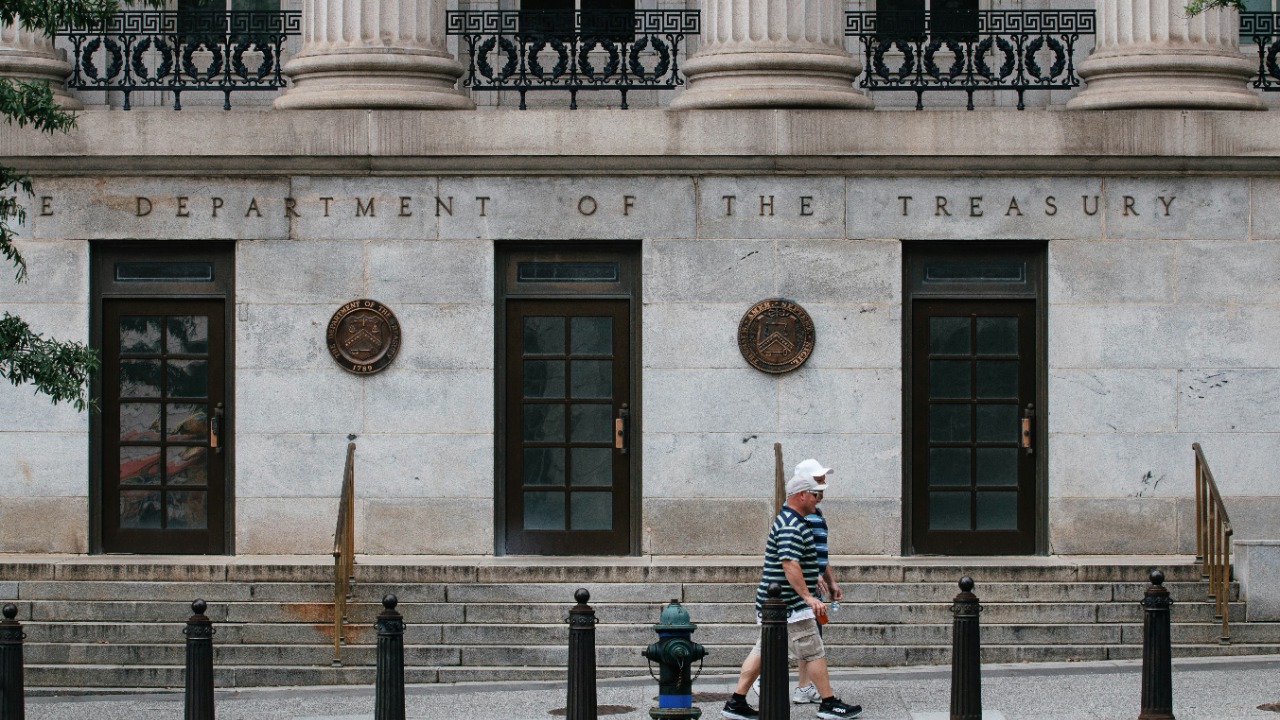
Monetary policy is only half the story. The other half is supply. The Treasury Department’s quarterly refunding statement laid out another heavy slate of issuance, including large auctions of 10-year notes and 30-year bonds, while indicating that coupon auction sizes were likely to remain steady for at least the next several quarters. That matters because the market has to absorb a steady stream of longer-dated government debt. Even without a fresh inflation scare, a sizable pipeline of issuance can keep upward pressure on yields as investors demand more return to take on that duration risk. In practical terms, buyers know more supply is coming and may ask for a little extra yield before committing capital. That can make the long end of the Treasury curve feel stubbornly high, especially when fiscal deficits remain large and refinancing needs stay elevated. The combination is not especially friendly for bond bulls. A market facing slower Fed cuts and heavy Treasury issuance is a market that can keep long-term rates elevated longer than many borrowers would like.
Mortgage rates are feeling it too

For ordinary households, the most visible consequence of a higher 10-year Treasury yield is the mortgage market. Thirty-year fixed mortgage rates do not move in lockstep with the 10-year note, but they are heavily influenced by it. When Treasury yields stay high, mortgage relief tends to be limited. Freddie Mac’s Primary Mortgage Market Survey showed the average 30-year fixed mortgage rate at 6.22% in the latest reading, still well below the peaks seen earlier in the rate cycle but high enough to keep affordability strained in many parts of the country. That is why the recent bond-market move matters beyond Wall Street. A homebuyer who expected the Fed’s rate cuts to quickly translate into much cheaper financing has not gotten that outcome. Elevated Treasury yields have kept mortgage rates from falling as fast as many would have hoped, leaving monthly payments uncomfortably high for many buyers. The same logic applies to refinancing. Homeowners waiting for a dramatic drop in rates have seen some improvement from earlier highs, but not enough to trigger a broad refinancing wave.
Businesses and the government are paying attention
Corporate borrowers also feel the impact. Investment-grade and high-yield bonds are priced off Treasury benchmarks plus a spread for credit risk. When the base Treasury yield rises, the all-in cost of debt financing rises with it. For some companies, that can make borrowing less attractive for expansion plans, acquisitions, or refinancing. The federal government is affected as well. Higher long-term yields raise the cost of financing deficits over time as older debt matures and is replaced with new securities carrying higher interest rates. That does not change the budget picture overnight, but it does reinforce why Treasury supply and long-term yield levels matter so much to investors. The bond market’s recent move is a reminder that lower policy rates do not guarantee lower borrowing costs across the economy. Right now, investors are looking at a Federal Reserve that appears in no rush to deliver a long chain of cuts, a Treasury market that still has plenty of debt to absorb, and an economy that has not weakened enough to force a faster pivot. That is why Treasury yields have remained firm and why the move above 4.2% on the 10-year note has drawn so much attention. For borrowers, the message is straightforward: relief may come, but it is likely to arrive more slowly than many had expected.