Image Credit: Gabriel Picard - CC BY-SA 4.0/Wiki Commons
Walmart has done something no retailer had ever managed before. On February 3, the company’s market value climbed past $1 trillion, putting the Bentonville, Arkansas-based chain into a club that has been dominated almost entirely by technology giants.
The milestone says as much about how investors now see Walmart as it does about the stock’s latest rally. For decades, the company was viewed mainly as the ultimate scale retailer, a low-margin giant built on massive stores, sharp pricing, and ruthless supply-chain discipline. That is still true. But Wall Street has increasingly been valuing Walmart as something more: a retailer with a fast-growing digital business, a powerful advertising engine, and an expanding technology backbone that is starting to reshape how the company sells, delivers, and earns.
How Walmart crossed the line
The basic math behind the milestone is straightforward. In its quarterly filing for the period ended October 31, 2025, Walmart disclosed that it had 7,970,166,964 shares outstanding as of December 2, 2025. At that share count, a stock price a little above $125 was enough to push the company past the $1 trillion mark.
That is exactly what happened as Walmart shares kept climbing in early February. Reuters reported that the move made Walmart the first retailer ever to achieve a 13-figure valuation. The rally was not the result of a one-day frenzy. It was the continuation of a long re-rating in which investors steadily gave the company more credit for the parts of its business that look less like traditional retail and more like a modern platform.
Why this is different from a typical retail stock
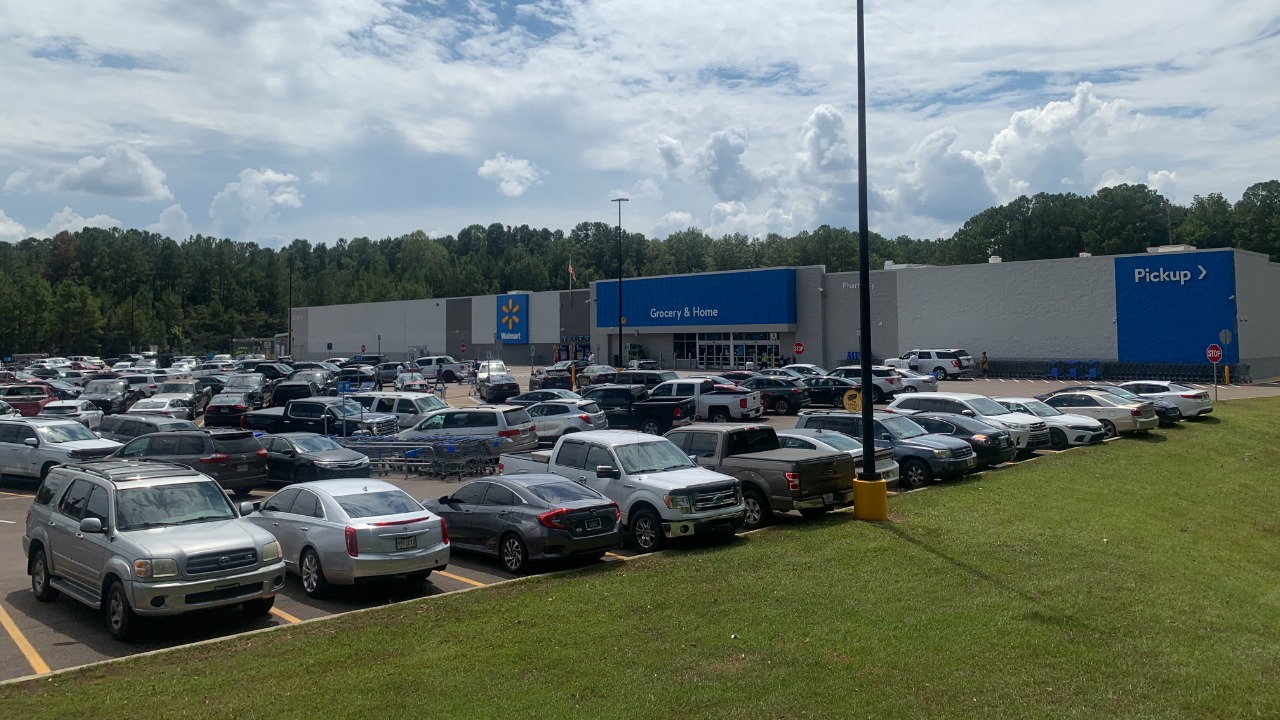
Retailers do not usually earn valuations like this. Their margins are thinner, labor needs are heavier, and growth is often tied to consumer cycles. Walmart still operates in that world, but it does so at a scale few companies in any industry can match. In its latest annual report, Walmart said it operated 10,955 retail units around the world as of January 31, 2026, including 4,611 Walmart U.S. stores and 601 Sam’s Club locations in the United States.
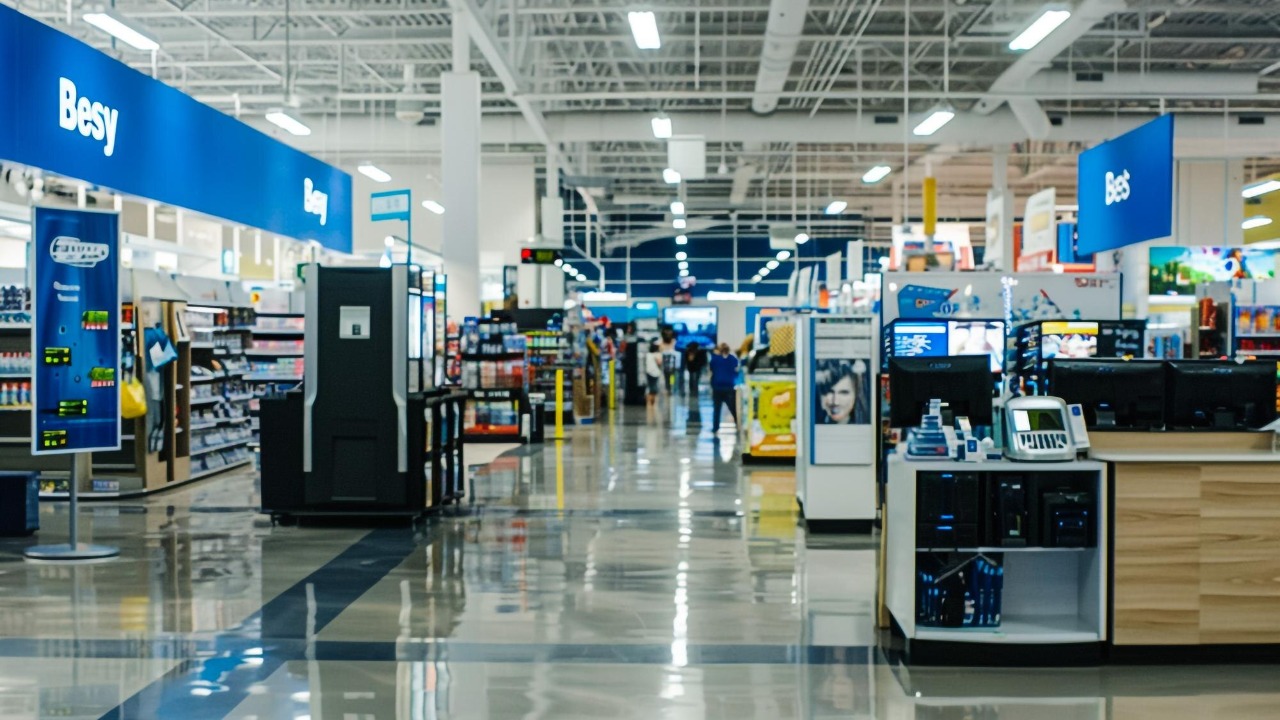
That footprint matters because Walmart has spent years turning its physical scale into a digital advantage. The company is no longer just using stores to sell products off shelves. It is using them as pickup points, delivery hubs, data centers for shopper behavior, and an engine for faster fulfillment. That combination has helped investors see the chain less as a legacy store operator and more as a retailer that can use its physical network to support higher-growth businesses.
E-commerce became more than a side business
A big reason for the shift is that Walmart’s online operation stopped looking like an expensive defensive play and started looking like a real growth driver. In Walmart’s November earnings release, the company said global eCommerce grew 27% in the quarter, while Walmart U.S. eCommerce rose 28%. The company also said about 35% of store-fulfilled orders were delivered in under three hours, and sales through those expedited channels increased by nearly 70%.
Those figures matter because they help explain why investors have become more comfortable awarding Walmart a richer multiple. Fast delivery is not just a convenience feature anymore. It is central to keeping grocery and household spending inside Walmart’s ecosystem. Walmart’s earnings release made clear that delivery speed, store-fulfilled orders, and advertising were all feeding growth in the U.S. business at the same time.
The company’s ability to blend stores with digital ordering has been especially important in groceries, where frequency drives loyalty. Reuters noted that Walmart captures roughly $1 out of every $4 spent on groceries in the United States, giving it an enormous base from which to add higher-income shoppers looking for convenience as well as value-focused households trying to stretch budgets.
Technology helped change the story
Image by Freepik
Walmart’s climb to $1 trillion also reflects a broader belief that the company is getting more productive as it invests in automation and artificial intelligence. That is not the kind of narrative that used to surround a big-box retailer, but it has become central to how the stock is discussed.
In the same quarterly update, Walmart said more than 60% of its U.S. stores receive some freight from automated distribution centers and more than 50% of its eCommerce fulfillment center volume is automated. The company said those investments are improving unit productivity and lowering the cost to serve online demand. That is a crucial point for investors because it suggests Walmart can grow digital sales without watching margins collapse.
Reuters also tied the stock’s surge to Walmart’s growing use of AI in areas such as inventory forecasting, fresher produce distribution, search, and delivery efficiency. None of that changes the fact that Walmart is still a retailer at heart. But it does help explain why the market has become more willing to put Walmart in conversations that used to be reserved for platform and tech companies.
Nasdaq-100 inclusion added fuel
Another catalyst arrived just weeks before the milestone. On January 9, Nasdaq announced that Walmart would join the Nasdaq-100 before the market opened on January 20, replacing AstraZeneca. That mattered for more than bragging rights.
Index changes can create a wave of automatic buying from funds that track the benchmark, regardless of whether an active manager has a fresh opinion on the stock. Nasdaq’s announcement did not make Walmart a trillion-dollar company on its own, but it likely helped accelerate momentum by putting the shares into another major stream of passive demand.
The higher-margin businesses are getting harder to ignore
What really changed investor sentiment, though, was the growing sense that Walmart is no longer relying only on selling merchandise. The retailer has been building businesses around the shopping experience itself, and those businesses tend to carry better margins than traditional retail.
Advertising has become the clearest example. Walmart said in its November update that global advertising revenue rose 53% and that Walmart Connect in the U.S. grew 33%. That kind of growth gets noticed because retail media is one of the few areas where an established retailer can add a business that looks more like a digital platform than a store chain.
Membership has helped too. Walmart said global membership income rose 17%, while Walmart+ membership income in the United States continued to grow at a double-digit pace. Together, advertising, memberships, and marketplace expansion have strengthened the case that Walmart is diversifying away from a pure low-margin retail model.
What the milestone really signals
Image Credit: Ktkvtsh – CC BY 4.0/Wiki Commons
Walmart reaching $1 trillion does not mean the stock can only move in one direction from here. The company still has to defend its grocery lead, keep delivery economics in check, and prove that its newer businesses can keep scaling. Competition from Amazon, Costco, Aldi, and dollar-store chains is not going away. Neither are wage pressures and the risks that come with a softer consumer environment.
Still, the milestone carries real weight. It shows that Wall Street now believes a retailer can command a tech-era valuation if it combines everyday relevance with serious digital execution. Walmart did not get here by abandoning its old model. It got here by making that model faster, more data-driven, and more profitable in places that did not exist at scale a decade ago.
For now, the market is treating Walmart less like a mature chain and more like a company that found a second act before investors fully expected it. That is what makes the trillion-dollar mark more than a headline. It is a statement about how much the definition of a retailer has changed.
David M. Keller is a finance writer based in Columbus, Ohio, covering personal finance and consumer-focused economic topics. He earned his degree in journalism from Ohio University and began his career reporting on local business and economic trends for a regional media outlet. Since then, he has contributed to a variety of online publications, focusing on clear, practical coverage of topics such as cost of living, debt, and everyday financial decision-making.