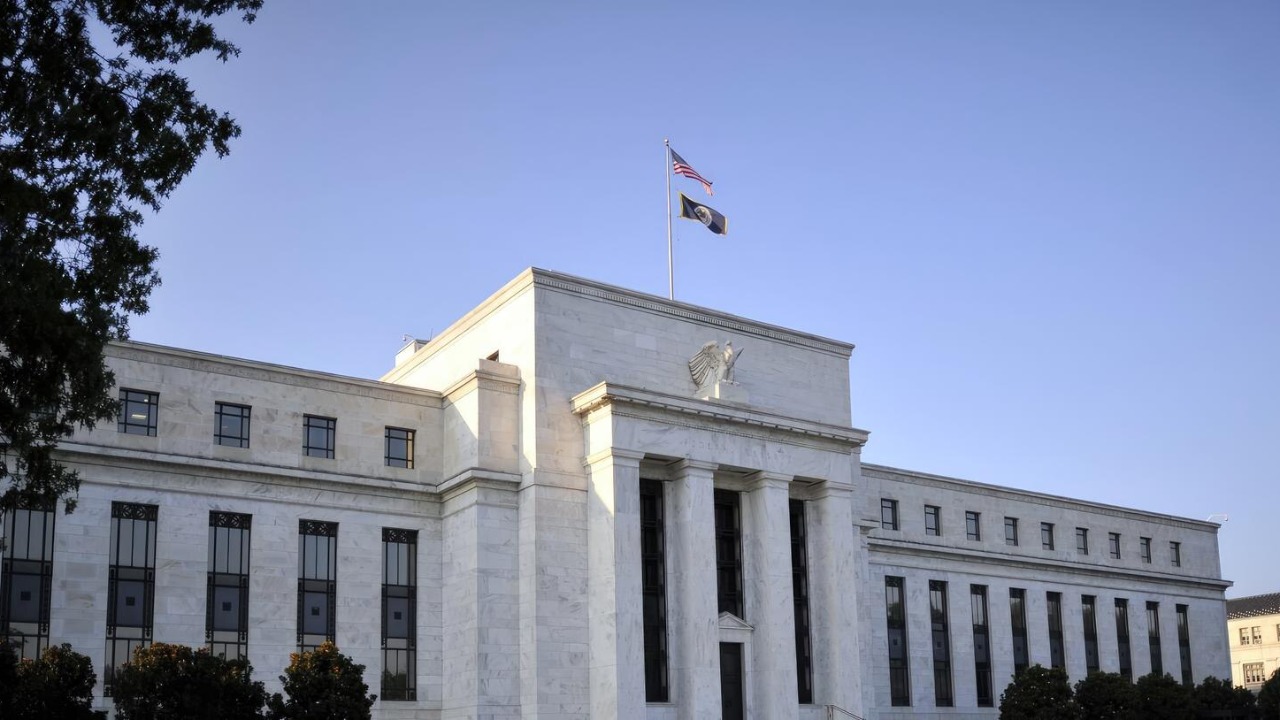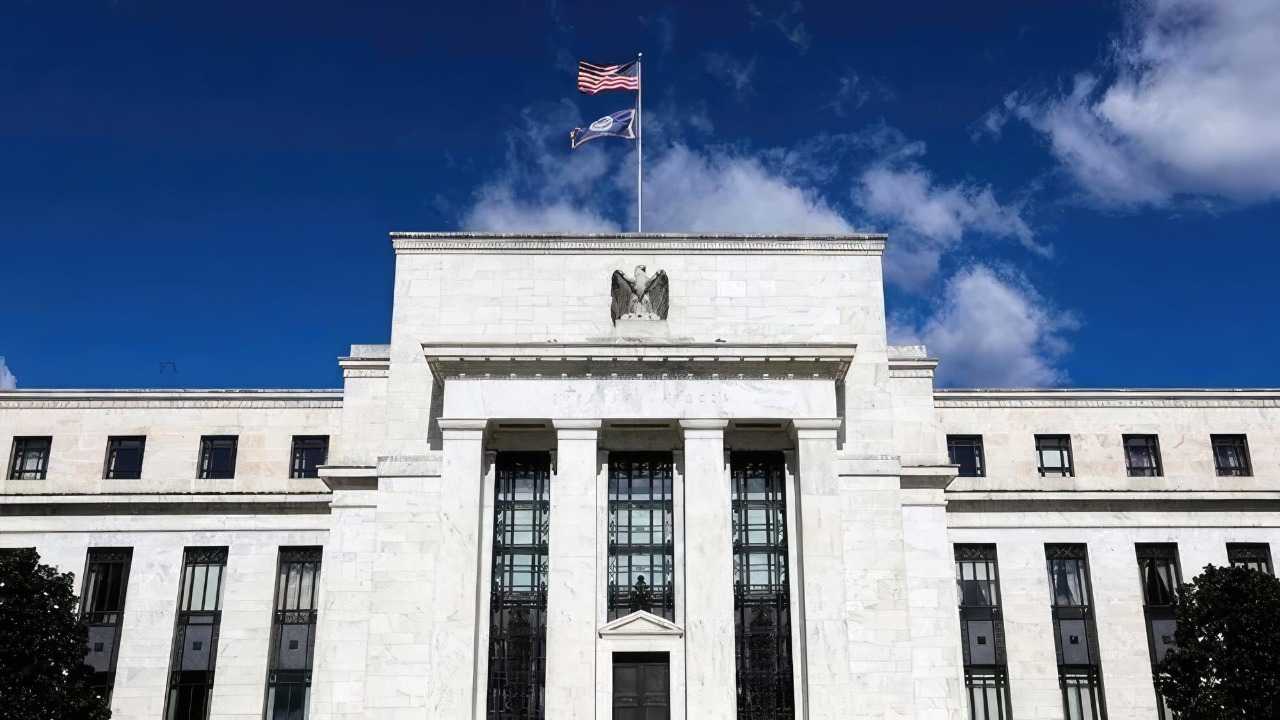
The Federal Reserve ended 2025 with a clear message for households, businesses, and investors: even after cutting rates again in December, officials were no longer signaling a quick slide back to cheap money. The central bank’s latest projections pointed to a much slower pace of easing in 2026 than many borrowers had hoped for, suggesting that financing costs could stay uncomfortable well into the next year. For consumers, that matters far beyond Wall Street. A slower path for rate cuts means mortgage relief is likely to arrive gradually, variable-rate debt may stay expensive, and companies that depend on borrowing will need to operate in a higher-cost environment for longer. The shift does not mean the Fed is done cutting altogether. It does mean policymakers see less room to move quickly.
What the December projections actually showed
The clearest signal came from the Fed’s latest Summary of Economic Projections. In the December 2025 projections, the median forecast for the federal funds rate was 3.6% at the end of 2025 and 3.4% at the end of 2026. That points to just one quarter-point reduction over the course of 2026. The same set of projections showed 3.1% for 2027, reinforcing the idea that officials now expect a long, drawn-out easing cycle rather than a rapid series of cuts. That is the key point readers need to understand. The Fed did cut rates in December, but the dot plot did not signal a quick follow-through next year. In fact, Reuters reported at the time that policymakers were signaling only one cut in 2026, with notable disagreement across the committee about how much easing would be appropriate after that.
How far the Fed’s path has shifted since 2024
The slower outlook becomes even clearer when it is compared with what officials were projecting a year earlier. In the September 2024 SEP, the median projected path put the federal funds rate at 4.4% at the end of 2024, 3.4% at the end of 2025, and 2.9% at the end of 2026. In other words, the Fed once saw rates falling to a level by the end of 2026 that it no longer expects to reach until later. That half-point difference matters. It means the Fed’s expected end-2026 rate is now materially higher than it was in the 2024 projections, even after three cuts late in 2025. The change does not just reflect a technical adjustment in the dots. It reflects a broader reassessment of how stubborn inflation could be and how careful the central bank wants to be before taking policy closer to neutral.
Why officials turned more cautious
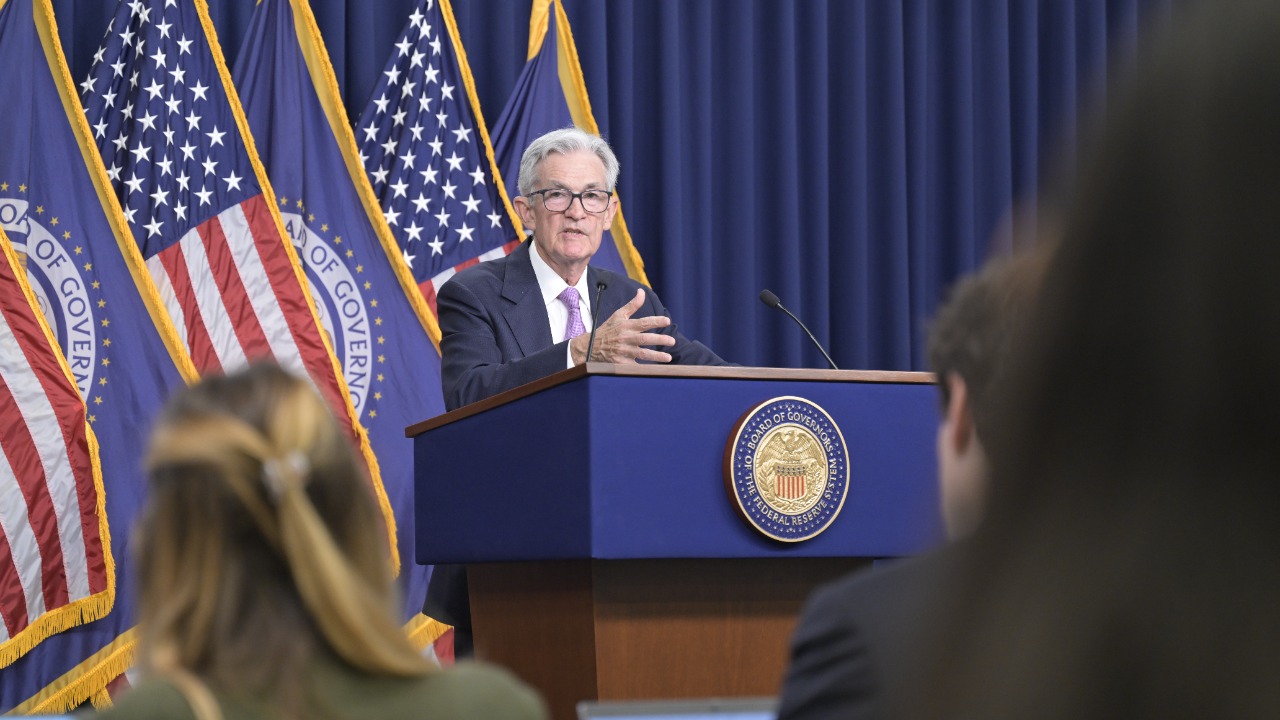
Chair Jerome Powell’s December press conference offered the clearest explanation for that caution. He said the near-term risks to inflation were tilted upward while risks to employment were tilted downward, a difficult balance for policymakers trying to manage both sides of the Fed’s mandate. Powell also said the effects of tariffs on prices could prove relatively short lived, but stressed that the Fed had to make sure a one-time increase in the price level did not become a more lasting inflation problem. That matters because it helps explain why the Fed can cut rates and still sound wary about cutting much more. The committee is no longer dealing with a simple story in which inflation is steadily cooling and growth is gently slowing. By late 2025, officials were facing an economy with resilient demand, ongoing policy uncertainty, and inflation pressures that were no longer falling as cleanly as they had hoped. That combination makes it harder to promise aggressive easing. Market pricing was somewhat more optimistic than the Fed itself. Reuters noted the day after the decision that investors were still leaning toward two quarter-point cuts in 2026. But the Fed’s own projections were more restrained, and that gap is exactly why the December meeting mattered. It told borrowers not to assume market hopes would automatically become policy reality.
What a slower easing cycle means for households
For American households, the practical consequences are straightforward. Mortgage rates do not move one-for-one with the federal funds rate, but they are heavily influenced by expectations for the broader path of interest rates and Treasury yields. When the Fed signals that the policy rate will stay higher for longer, it limits how much mortgage rates can fall, even if the central bank is no longer raising rates. Credit cards and some home equity products feel the pressure more directly. Borrowers carrying revolving balances usually see financing costs stay elevated when short-term rates remain high. Auto loans are also affected, especially for buyers with weaker credit profiles. In that environment, even modest Fed easing may not translate into the kind of noticeable payment relief many consumers expected when markets first began talking about a cutting cycle.
Why businesses are paying attention too
Companies face the same reality from a different angle. Higher-for-longer short-term rates raise the cost of financing inventory, managing cash flow, and funding expansion. Large firms with easy access to the bond market can sometimes absorb that pressure. Smaller businesses usually have less flexibility, which means a slower easing cycle can weigh on hiring plans, capital spending, and overall confidence. Commercial real estate remains especially exposed. Office, retail, and multifamily owners have already been dealing with tighter lending standards and refinancing stress. A Fed that is only signaling one cut in 2026, rather than a faster return to lower rates, keeps pressure on valuations and debt-service costs across the sector.
The message behind the dots
The broader takeaway from the December meeting was not that the Fed had turned aggressively hawkish again. It was that officials were signaling patience. They had eased enough to step back from the most restrictive stance, but not enough to suggest a rapid return to pre-pandemic borrowing conditions. That is a meaningful distinction, and it is the one the dot plot made clear. For borrowers, investors, and anyone waiting for fast relief on financing costs, the Fed’s message was more sober than hopeful. Rates were moving down, but only gradually. And by the end of 2025, the central bank was telling markets that the last stretch of the journey back toward lower borrowing costs could take longer than many expected.

Vince Coyner is a serial entrepreneur with an MBA from Florida State. Business, finance and entrepreneurship have never been far from his mind, from starting a financial education program for middle and high school students twenty years ago to writing about American business titans more recently. Beyond business he writes about politics, culture and history.