Consumer prices in the United States rose 2.7% for the 12 months ending December 2025, holding steady at the same annual pace recorded through November. Core inflation, which excludes food and energy, eased to 2.6% over the same period. The data, released in mid-January 2026, offered a mixed signal: headline inflation refused to budge lower, but the softer core reading suggested that underlying price pressures were losing some momentum heading into the new year.
The monthly picture told a similar story. The all-items Consumer Price Index for Urban Consumers climbed 0.3% from November to December, broadly in line with expectations tracked by market economists. Yet core prices rose by less than forecasters anticipated on a monthly basis, drawing attention from institutional analysts tracking the Federal Reserve’s next moves.
What the December Numbers Reveal
The Bureau of Labor Statistics reported that the all-items index rose 2.7% for the 12 months ending December, identical to the annual rate through November. That flat trajectory followed months in which the annual pace had generally been lower than earlier peaks. Shelter costs, which carry heavy weight in the index, continued to push the headline number higher even as other categories cooled.
Core CPI at 2.6% marked a slight step down from the prior month’s annual reading. The supplemental data published alongside the release allow independent verification of both the headline and core figures, and they show that services inflation outside of energy services remained the stickiest component in the basket.
The fact that core prices rose by less than forecast on a monthly basis gave bond markets a brief lift. A cooler-than-expected core print typically reduces pressure on the Federal Reserve to keep rates elevated, because it implies that the demand-driven price increases policymakers worry about most are fading. But one month of softer data does not settle the debate over whether inflation is truly on a sustainable path back to the Fed’s 2% target.
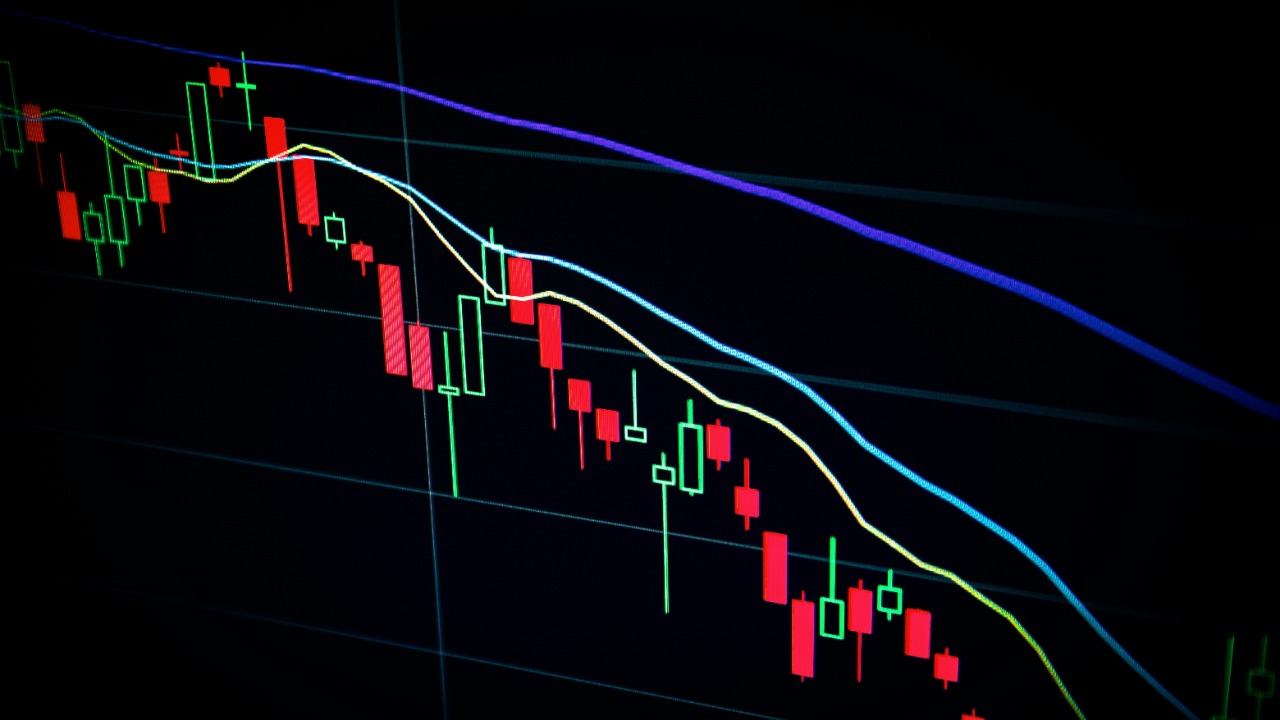
From December to February: A Downward Drift
nampoh/Unsplash
Subsequent data confirmed that the direction of travel was, in fact, lower. Subsequent BLS CPI release materials indicated that by February 2026, the Consumer Price Index for All Urban Consumers was running around 2.4% over the prior 12 months, down from December’s 2.7%. That three-tenths-of-a-point decline over just two months represented the kind of progress that had stalled in late 2025.
The U.S. Congress Joint Economic Committee placed the annual figure at about 2.46% from February 2025 to February 2026, with a monthly increase of 0.27% in February alone. That monthly pace, while modest, was enough to keep the annual rate from falling faster. For households, the practical effect is that grocery bills, rent checks, and insurance premiums are still climbing, just not as quickly as they were six months earlier.
The gap between December’s 2.7% and February’s 2.4% matters because it shapes expectations about when, or whether, the Federal Reserve will cut its benchmark interest rate again. Lower inflation readings give the central bank more room to ease policy, which in turn affects mortgage rates, auto loan costs, and credit card interest charges that millions of Americans carry. If policymakers become confident that inflation is converging on target, they can shift from merely restrictive settings toward a more neutral stance, easing some of the financing strain that has weighed on interest-sensitive sectors like housing and durable goods.
Yet a closer look at the composition of the decline raises questions about durability. Energy prices, which can swing sharply from month to month based on global oil markets and seasonal demand, played a role in pulling the headline number lower. Cheaper gasoline and utility bills offer immediate relief to consumers, but they are not the kind of slow-moving, broad-based price changes that central bankers see as evidence of lasting disinflation. If energy costs reverse course, the headline rate could tick back up even as core inflation continues to moderate.
That tension between volatile commodity prices and sticky services inflation has defined the post-pandemic price environment, and it did not disappear simply because the topline number improved. Services categories such as medical care, insurance, and certain personal services tend to adjust more slowly and are more closely tied to wages and long-term contracts. As long as those components remain elevated, the risk is that inflation could settle above the Fed’s target rather than cleanly returning to it.
Wages, Purchasing Power, and Uneven Relief
The Department of Labor, which oversees the BLS, publishes these figures as part of a broader suite of economic indicators that together paint a picture of worker purchasing power. Wage growth has been a key factor in how households experience inflation, helping some workers offset higher prices compared with earlier in the inflation surge. For many workers, especially in lower-wage service industries, that has meant a gradual rebuilding of the cushion that was eroded when prices outran paychecks.
But the recovery has been uneven. Renters in high-cost urban markets, for instance, face shelter inflation that runs well above the national average, eroding wage gains that look healthy in aggregate data. Households with heavy medical bills or high auto insurance premiums can experience inflation that feels markedly higher than the headline numbers suggest. By contrast, families who own their homes outright and spend a larger share of their budgets on goods that have seen price relief may feel that inflation has cooled more decisively.
This is where the conventional narrative around cooling inflation deserves scrutiny. National averages smooth over regional and category-level divergences that hit specific groups of consumers hard. A retiree on a fixed income experiences the 2.6% core rate very differently than a dual-income household whose wages are outpacing prices. The December report, with its steady 2.7% headline and slightly softer core, captured that tension without resolving it, reminding policymakers that broad progress can coexist with pockets of acute strain.
Markets, Expectations, and the Road Ahead
Artem Podrez/Pexels
Looking ahead, the trajectory that brought annual CPI from 2.7% in December to 2.4% in February faces a new headwind: rising inflation expectations among professional investors. A net 45% of asset managers now expect higher global inflation over the next 12 months, a dramatic jump from just 9% a month earlier. That shift in sentiment, even if it proves temporary, can influence financial markets in ways that feed back into the real economy.
When investors come to believe that inflation will be higher, they typically demand higher yields on long-term bonds to compensate for the anticipated erosion of purchasing power. That pushes up borrowing costs for governments, corporations, and, indirectly, households. Higher long-term interest rates can offset some of the relief that would ordinarily flow from a modest decline in inflation, tightening financial conditions even as the official data show progress.
These expectations also matter because they can shape behavior. Businesses that anticipate higher costs may be quicker to raise prices or slower to offer discounts, while workers who expect prices to rise may push more aggressively for wage increases. If such expectations become entrenched, they risk creating a self-reinforcing loop in which inflation proves harder to bring down, even as current readings appear close to target.
For now, the data through February suggest that inflation is drifting lower, but not in a straight line and not in a way that guarantees a smooth return to 2%. The December plateau at 2.7%, the subsequent easing to around 2.4%, and the divergence between headline and core measures all point to an economy still working through the aftershocks of the pandemic-era price surge. Energy-driven relief can quickly reverse, and services inflation tied to wages and housing remains stubborn.
Policymakers face a delicate balancing act. Move too quickly to cut interest rates, and they risk reigniting the very pressures they have been trying to tame. Move too slowly, and they may unnecessarily restrain growth, investment, and job creation at a time when real wages are only beginning to recover lost ground. Households, meanwhile, will continue to experience inflation not as a single number but as a series of line items on their monthly budgets, some easing, others still climbing.
The story that emerges from the December and February inflation reports is not one of victory or defeat, but of transition. Price growth has cooled markedly from its peak, yet the path to price stability remains uncertain and uneven. Whether the recent downward drift in inflation consolidates into a durable trend will depend not just on energy markets and shelter costs, but also on how businesses, workers, and investors respond to a landscape where inflation is lower than it was, but not yet low enough to be forgotten.
Vince Coyner is a serial entrepreneur with an MBA from Florida State. Business, finance and entrepreneurship have never been far from his mind, from starting a financial education program for middle and high school students twenty years ago to writing about American business titans more recently. Beyond business he writes about politics, culture and history.