What the Fed’s Own Projections Show for 2026
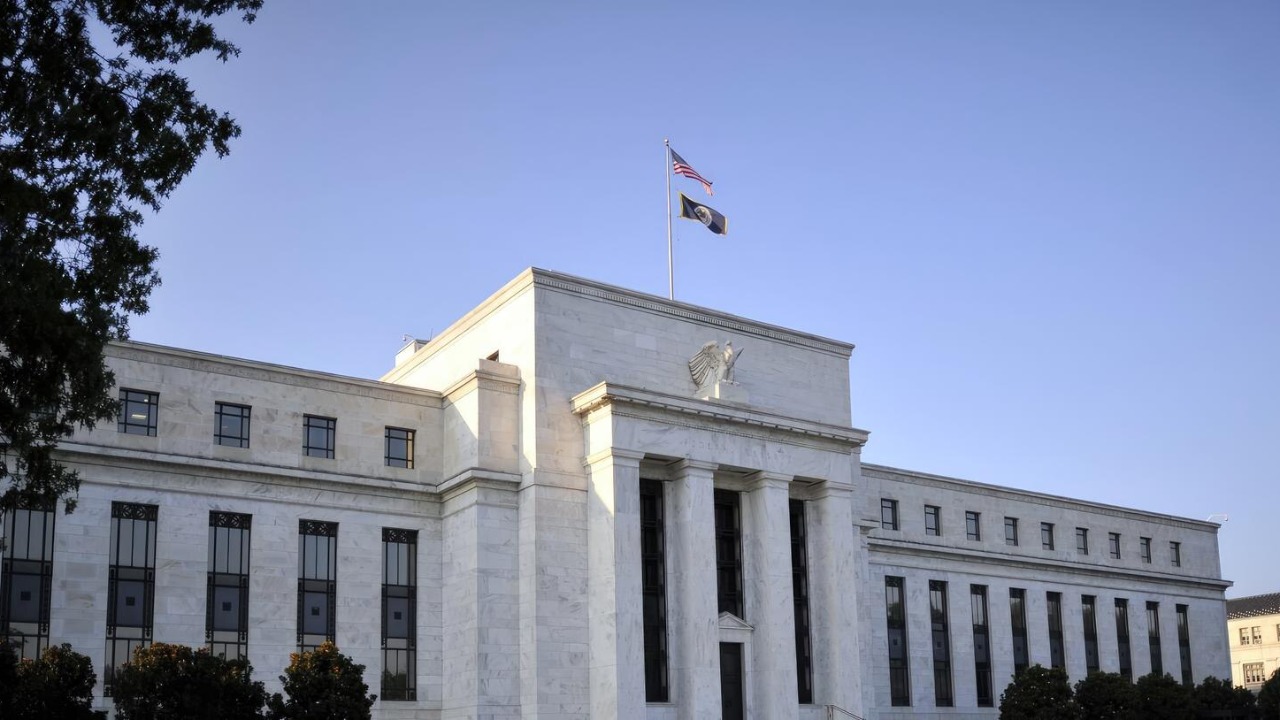
At its December 10, 2025, meeting, the Federal Open Market Committee released its economic projections, which included explicit entries for 2026 real GDP growth and core PCE inflation. The GDP projection pointed to growth near 3 percent, a pace that would extend the post-pandemic expansion into a fourth consecutive year of above-trend output. At the same time, the projections showed core PCE inflation tracking above the Fed’s 2 percent goal, suggesting that price pressures in services and shelter would not fade quickly enough to justify aggressive rate cuts. That combination puts the Fed in a bind. Strong growth normally gives policymakers room to hold rates steady or even tighten further. But with inflation still sticky, the central bank faces pressure from both directions: cutting too soon risks reigniting prices, while holding too long could eventually choke off the expansion. The December projections effectively told markets not to expect rapid easing in 2026, a signal that has kept mortgage rates and consumer borrowing costs elevated and contributed to tighter financial conditions for small businesses.Inflation Gauges Confirm the Stickiness

International Forecasters See the Same Pattern
The tension between strong growth and stubborn inflation is not just a domestic observation. The Organisation for Economic Co-operation and Development, in its latest country outlook for the United States, projected U.S. growth near the same range while flagging tariffs as a meaningful risk to both the growth and disinflation trajectories. Trade policy disruptions can push up input costs for manufacturers and retailers, which then pass those increases to consumers, making it harder for core inflation to fall even as the broader economy expands. The International Monetary Fund offered a complementary assessment in its 2026 Article IV mission statement for the United States, which included a macroeconomic table and discussed how tax and spending policy changes, along with fiscal deficits, are shaping both growth and inflation risks. The IMF staff analysis pointed to conditions that could either support disinflation or work against it, depending on how fiscal policy evolves. Separately, the IMF’s January 2026 World Economic Outlook Update framed the global picture as one where resilient growth is sustained as technology and adaptability offset trade policy headwinds, a description that fits the U.S. case particularly well given the economy’s ability to absorb tariff shocks without tipping into contraction.Where Growth Stood Entering 2026
The baseline for all of these forecasts is the economy’s actual performance through the end of 2025. The Bureau of Economic Analysis published its advance GDP estimate for the fourth quarter and full year 2025, providing official growth prints and a breakdown of the components driving output: consumption, investment, government spending, and net exports. Consumer spending remained the primary engine, consistent with a labor market that has kept unemployment low and wage growth positive in real terms, even as higher borrowing costs weighed on interest-sensitive sectors like housing and some business investment. That momentum is precisely what makes the inflation problem so difficult to resolve. When households keep spending, businesses have less incentive to absorb costs or cut prices. The result is an economy that grows faster than most advanced peers but also runs hotter on prices. For the Fed, this dynamic means that the usual playbook of waiting for demand to cool before declaring victory on inflation may take longer to play out, especially if fiscal policy stays supportive and global demand for U.S. exports remains firm.Data Infrastructure Behind the Forecasts
Behind the headline numbers sits a growing infrastructure of public data that shapes how analysts interpret the outlook. BEA’s core statistics on consumption and prices are increasingly accessed through digital tools, including the agency’s API platform, which allows users to pull time series on GDP, PCE, and related aggregates directly into forecasting models. This kind of programmatic access has made it easier for market participants and researchers to test alternative scenarios, such as how different paths for consumer spending or government outlays might affect inflation over the next several years. International linkages are also in focus. BEA’s international factsheets highlight the United States’ trade and investment relationships with major partners, offering context for how tariffs and supply chain shifts might feed into domestic prices. When foreign demand is strong and capital flows remain robust, the U.S. can sustain higher growth, but imported inflation or currency movements can complicate the Fed’s job. Conversely, a slowdown abroad can dampen export growth but also ease some price pressures through lower commodity and input costs.What It All Means for 2026 Policy


Vince Coyner is a serial entrepreneur with an MBA from Florida State. Business, finance and entrepreneurship have never been far from his mind, from starting a financial education program for middle and high school students twenty years ago to writing about American business titans more recently. Beyond business he writes about politics, culture and history.