March Inflation Data Surprised to the Upside
The trigger for Goldman’s revised timeline was a pair of government data releases that painted a consistent picture of persistent price pressures. The Consumer Price Index for March 2024, published by the U.S. Bureau of Labor Statistics, delivered one of the most widely characterized “hot” inflation prints of early 2024. Both headline and core CPI rose at a pace that exceeded consensus estimates, reinforcing the view that disinflation had stalled rather than accelerated. That CPI report did not stand alone. The Bureau of Economic Analysis followed with its March 2024 income and outlays release, which contains the Personal Consumption Expenditures price index. The PCE measure is the Fed’s preferred inflation gauge because it captures a broader basket of spending and adjusts for consumer substitution patterns. Core PCE readings in the March release, along with revisions to prior months, confirmed that price growth remained firm enough to justify caution from policymakers. Together, these two reports removed much of the optimism that had built up around an early-spring rate cut. When both CPI and PCE point in the same direction, bank economists treat the signal as durable rather than noisy. Goldman’s team read the data the same way and pushed their expected first cut from an earlier window into June.Why Goldman’s Forecast Shift Matters Beyond Wall Street
A forecast change from a single bank might seem like inside baseball, but Goldman Sachs rate calls carry outsize influence on bond markets and, by extension, on the borrowing costs that ordinary households face. When a major dealer moves its expected cut date later, traders adjust their positioning in Treasury futures. That repricing ripples into mortgage-backed securities, corporate bond spreads, and the rates banks charge on consumer loans. The practical result for a family shopping for a home or carrying a credit card balance is straightforward: the cost of borrowing stays elevated for longer than many had budgeted. Auto loan rates, home equity lines of credit, and variable-rate student debt all remain tethered to the Fed’s policy rate. A June cut, rather than one in March or May, means at least two additional months of higher interest expenses for millions of American households. Goldman’s decision also matters because it narrows the gap between Wall Street expectations and the Fed’s own signaling. For much of early 2024, futures markets had priced in more aggressive easing than the central bank’s officials seemed comfortable with. By aligning its call closer to June, Goldman effectively conceded that the Fed was right to push back against premature rate-cut bets.The Fed’s June Meeting and the Dot Plot Context
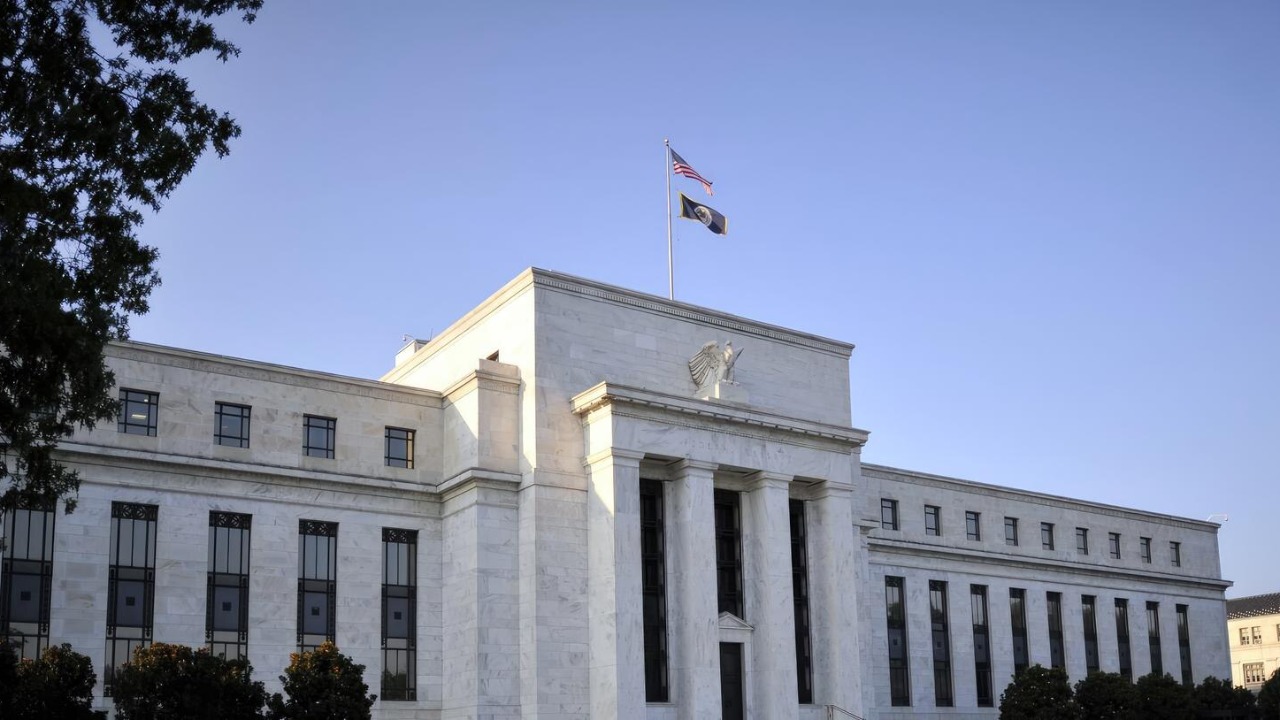
The Federal Open Market Committee calendar made the June 12, 2024 meeting the focal point for rate-cut expectations after the March inflation data landed. That gathering was set to produce a policy decision, an updated statement, the Summary of Economic Projections (commonly known as the dot plot), and a press conference transcript. The dot plot is especially significant because it shows where each Fed official expects the policy rate to be at year-end, giving markets a collective read on the committee’s appetite for easing. The combination of strong inflation data and the Fed’s own projections created a bind for banks that had been forecasting earlier action. If the dot plot signaled fewer cuts than markets expected, any bank still calling for a March or April reduction would look out of step with both the data and the central bank’s guidance. Goldman’s shift to June was, in part, an acknowledgment that the inflation numbers had validated the Fed’s patient stance.Geopolitical Risk Added Another Layer of Caution
Inflation data alone did not drive Goldman’s recalculation. As reporting from Reuters noted, the bank also delayed its Fed rate-cut call amid escalating Middle East conflict. Global financial markets had been under pressure as fears of an oil supply shock grew. Rising crude prices feed directly into consumer inflation through gasoline, shipping costs, and petrochemical inputs, making it harder for the Fed to justify lowering rates even if domestic demand softens. The geopolitical dimension is worth separating from the domestic inflation story because it introduces a risk the Fed cannot control. Central bankers can influence demand-driven price pressures through interest rate policy, but they have no lever to pull when supply disruptions push energy costs higher. If oil prices spike because of conflict in the Middle East, the Fed faces an ugly choice between cutting rates to support growth and holding rates steady to prevent an inflationary spiral. Goldman’s forecast implicitly bet that the Fed would choose caution.What Most Coverage Gets Wrong About Rate-Cut Timing

Regional and Sectoral Nuances the Headline Misses
National averages obscure how unevenly higher-for-longer rates hit different parts of the country. Data from the Bureau of Economic Analysis, including its regional snapshots, show that some states rely more heavily on interest-sensitive sectors such as construction and durable goods manufacturing. In those regions, a delayed Fed cut can mean slower hiring, weaker homebuilding, and more pressure on small businesses that depend on bank credit. Sectoral differences matter as well. Commercial real estate, for example, is grappling with both elevated borrowing costs and shifts in office demand. A later start to rate cuts prolongs the stress on landlords facing refinancing deadlines. By contrast, large technology firms with ample cash reserves are less exposed to short-term funding costs and can ride out a few extra months of restrictive policy with relative ease. These nuances help explain why market participants pore over each new data release and Fed communication. For some borrowers and industries, the difference between a March and June cut is not just a line on a chart but a question of solvency.Data Transparency and the Road Ahead
The debate over Goldman’s forecast shift underscores how dependent markets are on timely, detailed economic information. Agencies like the BEA not only publish headline indicators but also support tools such as their public data API, which allow analysts to track evolving trends in real time. As investors reassess the odds of a June cut and the trajectory beyond it, granular data on consumer spending, business investment, and regional growth will shape expectations as much as any single bank forecast. For now, the message from both the inflation numbers and Goldman’s revised call is that the era of ultra-cheap money is not rushing back. The Fed appears determined to see clear, sustained progress toward its inflation goal before easing off the brakes. Whether June ultimately marks the start of a steady cutting cycle or a cautious, one-off adjustment will depend on how the next few months of data break, and on whether geopolitical shocks stay contained enough for domestic disinflation to resume its course.
Vince Coyner is a serial entrepreneur with an MBA from Florida State. Business, finance and entrepreneurship have never been far from his mind, from starting a financial education program for middle and high school students twenty years ago to writing about American business titans more recently. Beyond business he writes about politics, culture and history.