Four Wall Street giants move into position
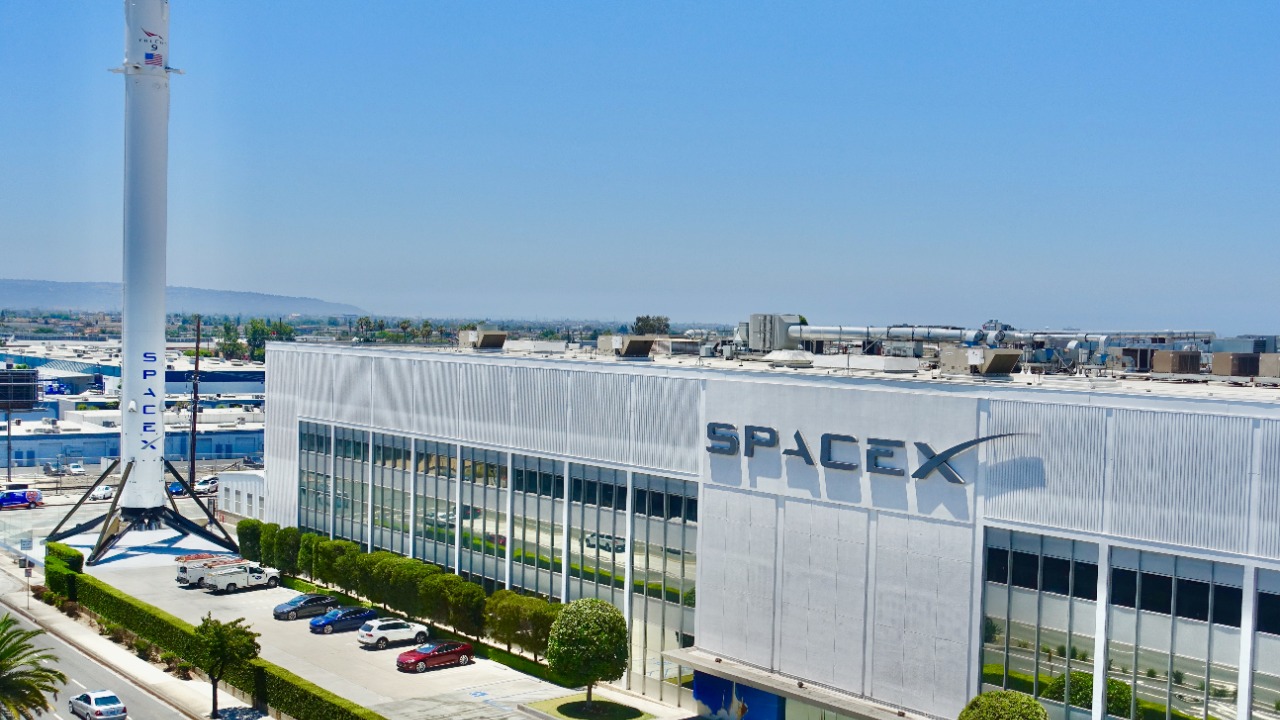
According to Reuters, citing both the Financial Times and a source familiar with the matter, SpaceX is considering Bank of America, Goldman Sachs, JPMorgan Chase, and Morgan Stanley for senior roles in a potential offering. That matters because these are not fringe names angling for a slice of a routine listing. They are the firms most often called in when a company expects a giant book of demand, global institutional interest, and intense scrutiny over pricing. The reporting also suggests the process has moved beyond early-stage courtship. In December, Reuters reported that SpaceX was in the middle of a bank selection contest, with Morgan Stanley emerging as a leading contender for a key role because of its long relationship with Elon Musk. By late January, the picture looked more defined, with four firms now described as being in line for senior responsibilities. That does not mean every title has been finalized. On deals this size, companies often settle the core group first and fine-tune the exact pecking order later. Still, the shift from a competitive bake-off to a recognizable four-bank lineup is meaningful. It suggests SpaceX is narrowing from exploration to execution.Why these banks matter for a deal of this scale
Each of the four banks brings something different to a transaction that could become unusually large even by modern IPO standards. Morgan Stanley has deep history with Musk and has played prominent roles in prior marquee transactions tied to his orbit. Goldman Sachs and JPMorgan have broad institutional distribution and long track records in high-profile listings. Bank of America adds another heavyweight balance sheet and a large global sales network. For SpaceX, spreading senior responsibilities across multiple firms would make sense. A public debut of this magnitude would demand more than prestige. It would require real firepower across equity capital markets, research coordination, investor education, stabilization, and share allocation. A company expected to attract demand from mutual funds, hedge funds, pensions, sovereign investors, and retail buyers does not want a thin bench. It also gives SpaceX flexibility. In mega-deals, issuers often want competitive tension inside the underwriting group, not just before it is assembled. Multiple senior banks can help widen demand, reduce reliance on any one institution, and give management more leverage on fees, book-building, and aftermarket support.The valuation question is what turns this into a blockbuster
Why no public filing has surfaced yet
The lack of a public registration statement may look odd from the outside, but it is not evidence that the IPO talk is premature. Companies planning U.S. listings have long been able to use confidential draft submissions in the early stages of the process, and the SEC broadened those accommodations further in 2025 guidance. That framework allows an issuer to work through comments and disclosure issues away from public view before a formal roadshow begins. For a company like SpaceX, the attraction is obvious. It can refine financial disclosure, risk factors, business segmentation, and governance language without handing competitors, counterparties, and critics an early blueprint. Once a public filing does arrive, investors should get far more concrete answers than they have now. The registration statement would identify the principal underwriters, outline fee arrangements, describe any material relationships, and provide the first detailed official look at the business in a format public-market investors can evaluate.What this really says about SpaceX’s IPO chances
The strongest reading of the recent reporting is not that SpaceX has locked every detail in place. It is that the company has crossed into a more serious phase of preparation. The underwriter conversations are no longer abstract, the likely senior firms are no longer a mystery, and the market now has several aligned reports pointing toward an offering next year if conditions cooperate. That is enough to make the story real, even if it is not final. For investors, the bigger point is that a SpaceX IPO would not be just another splashy technology listing. It would test the appetite of public markets for a company already valued like an empire and tied closely to one of the most polarizing executives in business. The four-bank lineup does not guarantee the IPO will happen on schedule, or at all. But it does make one thing harder to dismiss: SpaceX is increasingly acting like a company preparing for the public stage.
Vince Coyner is a serial entrepreneur with an MBA from Florida State. Business, finance and entrepreneurship have never been far from his mind, from starting a financial education program for middle and high school students twenty years ago to writing about American business titans more recently. Beyond business he writes about politics, culture and history.