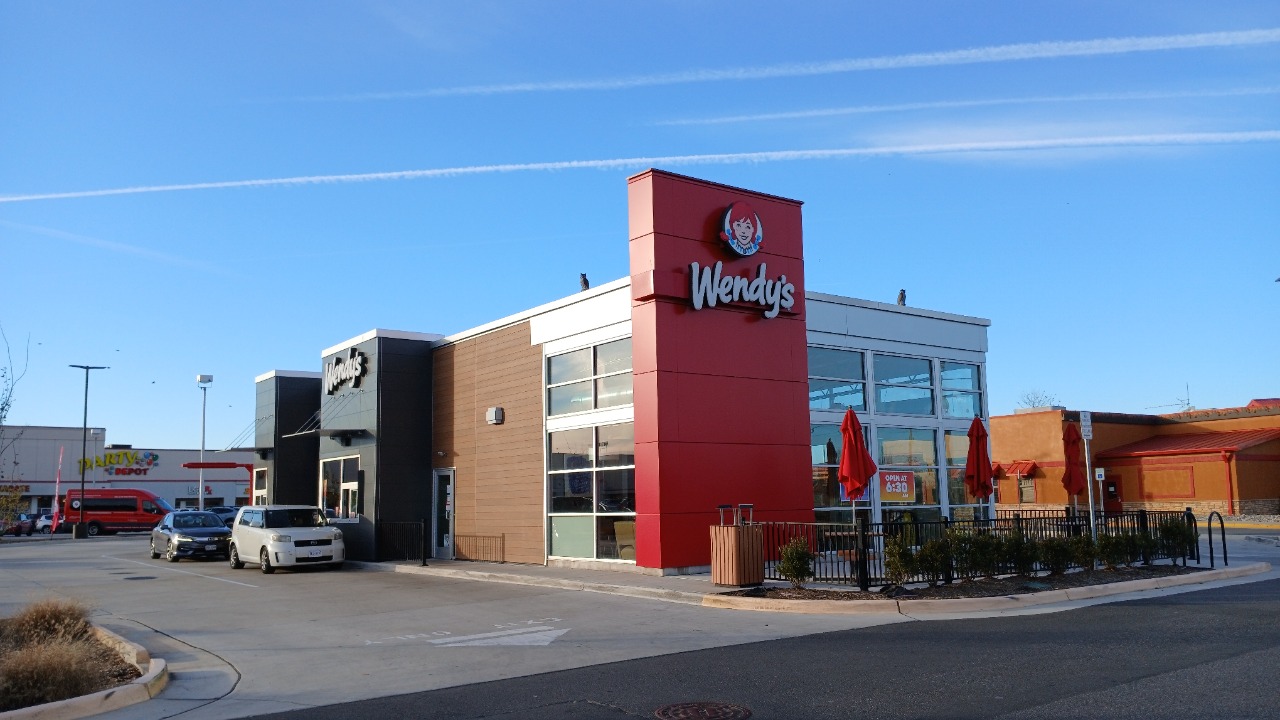
Wendy’s is moving to shrink its U.S. restaurant base after a stretch of weaker sales, signaling that one of the country’s biggest burger chains sees a real need to cut underperforming stores rather than wait for demand to snap back. The company has already told investors that a mid-single-digit percentage of its domestic footprint could be affected, a move that would put hundreds of locations at risk if the plan unfolds as outlined. For customers, the headline is simple even if the mechanics are not. A chain built on convenience and broad reach is preparing to get smaller in order to protect profitability at the stores that remain. That is a notable shift for a brand that still operates thousands of restaurants across the United States and has spent years talking up growth, digital ordering, and menu innovation.
Sales pressure turned a gradual cleanup into a broader pullback
The company had already been trimming weaker locations before the latest warning signs emerged. In its 2024 annual report, Wendy’s said it finished the year with 5,933 U.S. restaurants. That followed 101 domestic openings and 198 domestic closures, evidence that the system was already being pruned even before management signaled a more aggressive review. By November 2025, the picture had worsened enough for executives to tell investors that a mid-single-digit percentage of U.S. stores could be affected. At the end of the third quarter, Wendy’s had 6,011 domestic locations, so even the low end of that math pointed to a significant number of stores. The rationale was straightforward: restaurants that fall short financially, or drag down the customer experience, can weigh on franchisees and the brand at the same time. That matters because scale is supposed to be a strength in fast food. A bigger footprint means more convenience, denser advertising, and better supply-chain leverage. But when too many units are aging, poorly positioned, or simply not generating enough traffic, size starts to work against a chain. Underperforming stores do not just dilute average results. They can make the whole brand feel less consistent.
Wendy’s is trying to pair store closures with a renewed value push
The closure plan is only one side of the strategy. The other is a renewed push to convince cost-conscious diners that Wendy’s still belongs in the value conversation. On January 14, the company introduced a refreshed Biggie Deals menu built around $4, $6, and $8 price points, an effort clearly designed to make pricing easier to understand for customers who have become more selective about where they spend. On its own consumer-facing promotions page, Wendy’s describes the new lineup as a flexible set of lower-cost meal combinations, including the $4 Biggie Bites, the $6 Biggie Bag, and the $8 Biggie Bundle. The message is hard to miss. The company wants value to feel permanent and visible, not occasional or buried in app promotions. That shift tracks with the wider fast-food market. Rival chains have also leaned harder on lower-ticket bundles after menu inflation changed consumer behavior. In 2024, McDonald’s moved to roll out a $5 meal deal as customers pushed back on higher prices, and AP reported at the time that average spending per visit at U.S. fast-food restaurants had climbed sharply over the prior two years. Wendy’s is not reacting in a vacuum. It is reacting to an industry-wide fight over price perception.
Why this matters to franchisees, workers, and customers
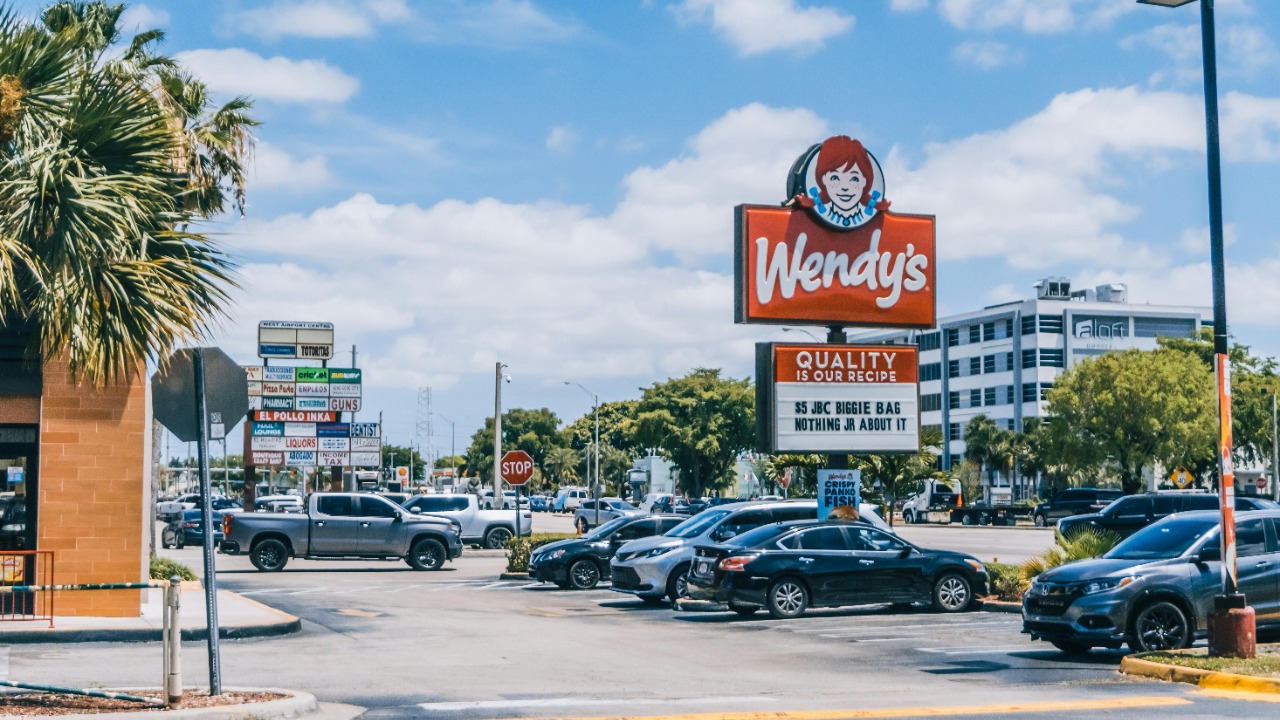
Most Wendy’s locations are franchise-operated, which means any shutdowns do not hit a faceless corporate footprint alone. They hit local operators, store crews, landlords, and nearby customers. Some locations may be remodeled, transferred, or given operational upgrades. Others may simply disappear if management decides they no longer justify more capital. For franchisees, the logic of closing weak units can be easy to understand on paper and painful in practice. A troubled store can sap cash, distract management, and undermine the results of nearby restaurants. But shutting one down is still a major decision, especially in a business where labor, rent, and equipment costs are already high. Once a location closes, it is not easy or cheap to reclaim that territory later. For customers, the impact will depend on the market. In dense metro areas, the practical change may be little more than a longer drive or a different delivery zone. In smaller communities, one closure can erase a familiar option altogether. That is why the company’s pruning strategy carries real risk. A leaner system can look healthier on a spreadsheet while feeling less available to the people who used it regularly.
A smaller footprint may help, but it is not a cure by itself
There is a sensible argument behind the strategy. Wendy’s can improve average performance by cutting stores that no longer fit the brand, while using sharper everyday pricing to hold onto traffic at the locations that remain. If that works, the chain could come out of 2026 with a healthier base, better unit economics, and a clearer message to consumers. But closures alone do not rebuild loyalty. The bigger test is whether Wendy’s can persuade diners that it offers both convenience and dependable value in a market where customers can just as easily cook at home, chase app-only deals elsewhere, or switch to a regional competitor. The company itself has acknowledged in filings that prepared-food competition comes not only from other chains, but also from grocery stores, convenience stores, and delivery-heavy alternatives. That is why this moment looks less like routine housekeeping and more like a meaningful reset. Wendy’s is shrinking in order to stabilize, not expanding in anticipation of easy demand. If the plan succeeds, the chain will look disciplined. If it fails, the store closures will read as an early sign that one of America’s largest burger brands misjudged just how price-sensitive the fast-food customer had become.