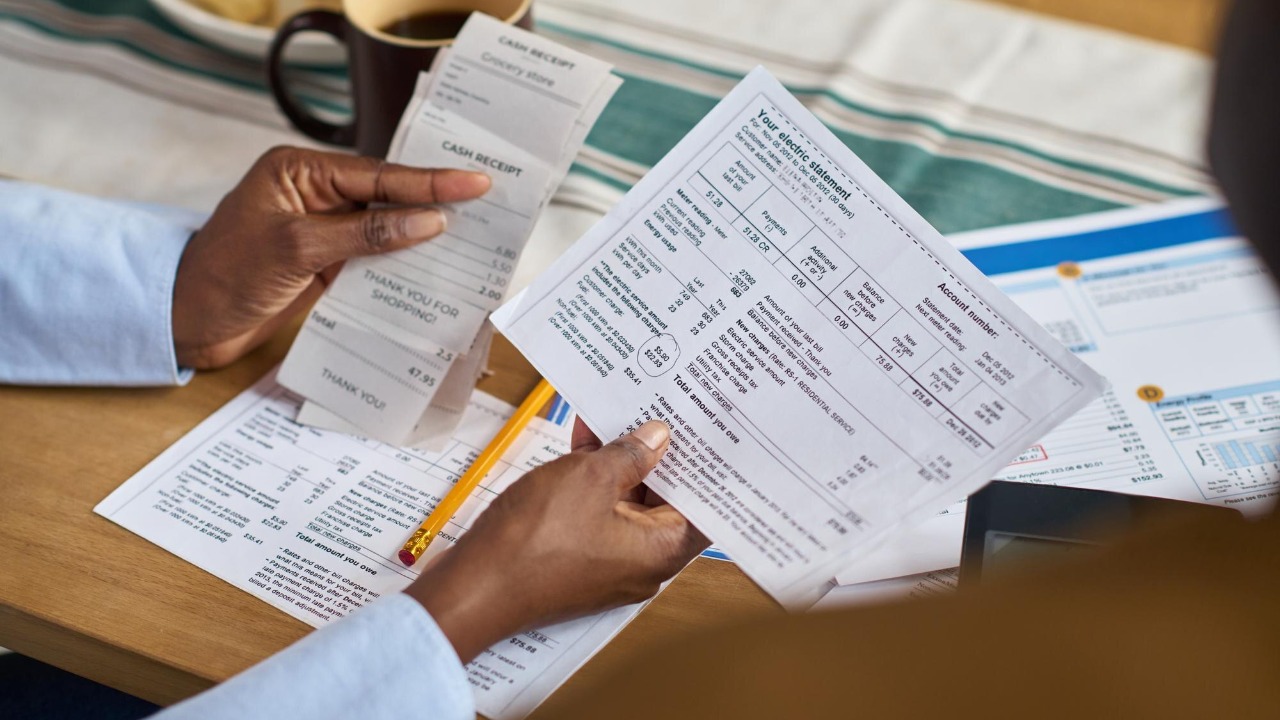
For many households, the February gas bill landed with a thud. After a stretch of bitter cold in late January and early February, monthly heating costs jumped well above what many families had been paying earlier in the season, especially in parts of the Midwest, Northeast, and Mid-Atlantic where furnaces ran hard for days at a time.
The underlying reason was not mysterious. A major winter blast sharply increased demand for natural gas just as power plants were also burning more fuel to keep electricity flowing. That combination pushed the U.S. natural gas system into one of its most strained weeks in recent memory and left households feeling the impact where it hurts most: on the utility bill.
A record storage draw changed the tone of the winter
The clearest sign of how severe the cold snap was came from the U.S. Energy Information Administration. In the week ending January 30, the country pulled 360 billion cubic feet of natural gas from storage, the largest weekly net withdrawal ever reported in the history of the agency’s storage survey.
That was not just a technical record for energy traders to notice. Storage exists to cushion the market when winter weather suddenly drives up demand. When inventories are drained that quickly, wholesale prices tend to react, and those higher costs can work their way into customer bills through fuel charges and other adjustment mechanisms.
The EIA said the giant withdrawal reflected two pressures hitting at once: stronger heating demand and weather-related production curtailments. In other words, households and businesses needed more gas at the same time some supply was being disrupted by the same severe weather system.
That dynamic matters because natural gas is still central to home heating in the United States. According to the EIA’s Winter Fuels Outlook, 46% of U.S. homes use natural gas as their main heating fuel. The agency’s pre-season forecast already suggested that colder-than-expected weather would raise winter spending, particularly in colder regions where homes burn more fuel over longer stretches.
Why many bills rose so fast
For consumers, the increase usually comes from two places. The first is simple usage. When temperatures plunge, furnaces run longer, and even efficient homes consume more fuel. The second is the cost of that fuel. Utilities buy natural gas in wholesale markets or under supply contracts, and sudden market moves can flow through to customers depending on how local rates are structured.
That is why a household does not need a dramatic change in its thermostat habits to see a surprising bill after a cold snap. A few unusually frigid weeks can be enough, especially in older homes, draftier apartments, and regions where heating demand was already heavy to begin with.
The EIA’s latest Short-Term Energy Outlook later confirmed that January’s record withdrawal was a standout event, even though inventories recovered somewhat by the end of the heating season. That distinction is important. Storage may have rebounded later, but that does not erase the real price and usage pressure households experienced during the coldest stretch.
The grid came under stress too
The same weather that drove home heating demand higher also put extra strain on the electric grid. Natural gas is not only a home-heating fuel. It is also a major power-generation fuel, which means cold snaps can create a double pull on the same system as furnaces and gas-fired power plants both need more supply.
That stress was serious enough that the Department of Energy issued emergency orders during Winter Storm Fern. On January 25, DOE said it had authorized PJM to run specified resources in the Mid-Atlantic to reduce blackout risk. On January 26, the department said it had taken similar action in the Carolinas, and later that day announced broader backup-generation deployment measures for the Mid-Atlantic and Carolinas.
That does not mean the 2026 event became another Texas-style catastrophe. It did not. But emergency federal action is still a meaningful signal that winter demand was pushing parts of the system close enough to the edge that officials were not willing to take chances.
What the weather data does, and does not, show
There is enough official evidence to support the broad story that a late-winter cold snap drove higher heating demand and contributed to larger bills. At the same time, the most careful version of that story needs to avoid claiming that every part of the country was equally cold or that a final national average bill increase has already been pinned down.
NOAA’s February 2026 national climate summary found a mixed pattern. Much of the West was warmer than average, while parts of the eastern seaboard were colder than average. That still supports the idea that large sections of the country faced costly heating weather, but it is more precise than saying the entire nation was locked in extreme cold from coast to coast.
Likewise, federal agencies have not yet published a single final nationwide figure showing exactly how much more the average household paid because of the late-January and early-February surge. That number may become clearer as more utility and regulatory data is compiled. For now, the strongest reporting lane is not to invent a neat national average, but to explain why so many households saw painful bills after the cold hit.
What households can do if the bill is already too high
For families trying to absorb a higher-than-expected statement, the first move is usually the most practical one: call the utility. Many providers offer budget billing, deferred payment arrangements, or other plans designed to spread winter costs out over time instead of forcing customers to absorb one sharp spike all at once.
Low-income households may also qualify for help through LIHEAP, the federal home energy assistance program. Federal officials said about $3.6 billion in FY 2026 regular block grant funding was released for states and territories late last year, though availability and eligibility still vary by state and local administrator.
There are also lower-cost ways to reduce the next bill, including sealing drafts, adjusting the thermostat when the home is empty, changing furnace filters, and using other cold-weather energy-saving steps highlighted by the Department of Energy’s winter efficiency guidance.
The bigger picture is that this was a reminder of how quickly heating costs can jump when weather, fuel supply, and grid demand all tighten at once. For many households, that lesson did not arrive in a government report. It showed up in the mailbox.