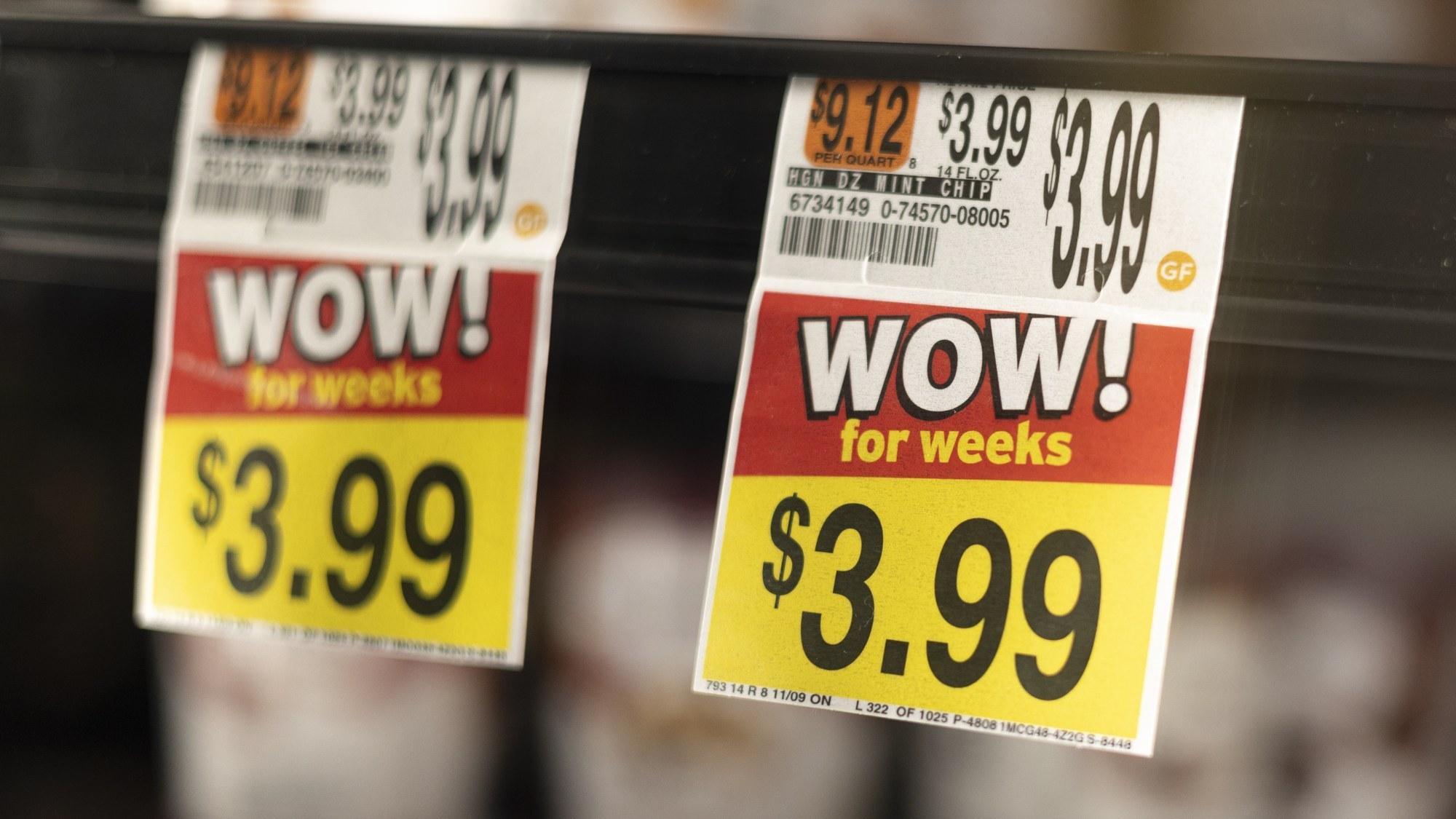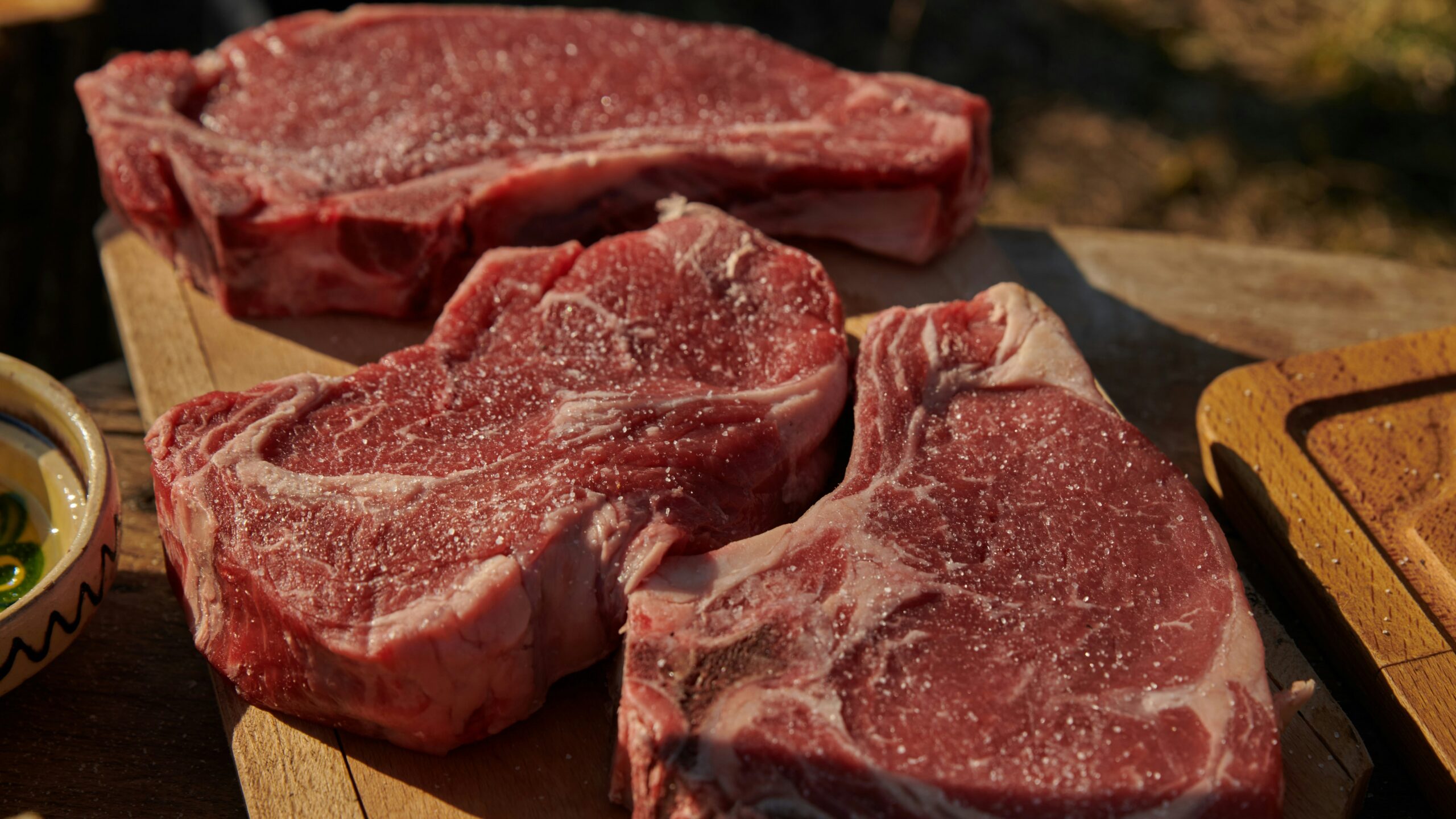
The price of a raw steak in the United States has never been higher. According to the Bureau of Labor Statistics, the national average for uncooked beef steaks hit $12.74 per pound in February 2026, then kept climbing to $13.02 in April, blowing past the previous record. The April 2026 Consumer Price Index, released this month, confirmed the damage: beef and veal prices rose 14.8% over the prior 12 months, while uncooked steaks specifically jumped 16.1%. For context, beef and veal also saw double-digit annual increases during the 2021-2022 inflation surge, so the current spike, while severe, is not without recent precedent.
For the millions of households gearing up for Memorial Day grills and Fourth of July cookouts, the numbers translate into real pain at the meat counter. A two-pound package of ribeyes that cost roughly $22 a year ago now runs closer to $26. Multiply that across a summer of weekend barbecues and the cumulative hit is hard to ignore, especially when overall grocery inflation has otherwise been cooling.
Where the numbers come from
The dollar-per-pound figures originate from the BLS Average Price Data program, which dispatches field staff to thousands of urban supermarkets, warehouse clubs, and grocery stores to collect real-time price quotes. Those quotes are weighted and aggregated into national estimates published monthly. The steak series, tracked under FRED series APU0000FC3101, recorded $12.739 in February, dipped to $12.732 in March, then surged to $13.024 in April. As the BLS explains in its average price methodology, these are the same surveys that feed into the CPI itself, making them among the most reliable retail price measures available.
The percentage changes come from the CPI detailed expenditure tables. The 14.8% figure covers the entire “beef and veal” category, which includes ground beef, roasts, and other cuts alongside steaks. The 16.1% figure isolates uncooked steaks, showing that premium cuts are rising faster than beef overall. Both figures far outpace the broader food-at-home index, which rose at a considerably slower rate over the same period.
Why beef keeps getting more expensive
The core problem is supply. The U.S. cattle herd has been shrinking for years, driven by a cycle of drought across major ranching states that forced producers to sell off breeding stock rather than maintain them through expensive feed and scarce water. The USDA Economic Research Service, in its food price outlook, points to these prolonged herd reductions as the primary force behind elevated retail prices and forecasts that beef and veal costs will remain high through 2026.
Rebuilding a cattle herd is slow work. A rancher who decides today to retain heifers for breeding won’t see those animals produce market-ready calves for roughly two to three years. That biological lag means even if conditions improve, the supply response will take time to reach grocery shelves.
Trade policy adds another layer. Tariffs on beef imports from key suppliers like Canada, Australia, and Brazil have raised the cost of foreign beef that might otherwise help fill the domestic gap. At the same time, strong global demand for American beef, particularly from markets in Asia, keeps export volumes elevated, tightening the supply available to U.S. consumers.
The USDA’s Meat Price Spreads data also reveals a widening gap between what ranchers receive for cattle and what consumers pay at the register. That spread suggests the squeeze isn’t only about fewer cows. Margins at the processing and retail levels are expanding too, raising questions about how the burden of high prices is distributed along the supply chain.
What the data can’t tell us
The BLS average price is a single national figure for urban outlets. Shoppers in Dallas or Denver may be paying very different amounts than those in New York or rural Montana, but no state-level or metro-level breakdown appears in the published series. The $13.02 April average is a useful benchmark, not a universal experience.
Consumer response is also largely invisible in the official data. No government dataset tracks whether families are swapping steaks for chicken thighs, choosing chuck roast over New York strip, or simply spending more and cutting elsewhere. Private surveys have hinted at a shift toward cheaper proteins and more home cooking, but those tend to rely on small, self-reported samples that carry wider margins of error.
What is clear from the CPI release is that beef is an outlier. Chicken and pork have also seen price increases, but neither category has matched beef’s double-digit annual surge. That gap gives consumers an obvious, if unwelcome, alternative and may already be reshaping what ends up on the grill this summer.
Why cookout season 2026 will cost more than any before it
The USDA’s 2026 forecast ranges offer no promise of near-term relief. The agency’s projections depend on weather patterns, feed costs, and global demand, all of which remain volatile. If ranchers begin retaining heifers in meaningful numbers, the earliest that new supply could start easing prices would be late 2027 or 2028. Until then, the trajectory points in one direction.
For families budgeting for cookout season, the math is straightforward. Steak is more expensive than it has ever been in recorded BLS data, and the April CPI shows the trend accelerating, not leveling off. The $12.74 figure that made headlines earlier this year has already been surpassed. Whether that changes shopping lists, party menus, or just the size of the hit to the household budget, the price tag at the meat case is sending a message that is impossible to miss.