A year ago, a one-bedroom apartment in downtown Austin listed for around $1,650 a month. Today, a comparable unit in the same neighborhood can be had for closer to $1,550, and often with a month of free rent thrown in. That kind of price cut would have been laughable during the pandemic-era bidding wars. Now it is routine.
Austin’s year-over-year asking rents have dropped by nearly 6 percent, according to Apartment List’s national rent estimates through spring 2026, placing it among the fastest-falling major markets in the country. Other Sun Belt metros, including San Antonio, Phoenix, Jacksonville, and Raleigh, are following a similar trajectory, with declines ranging from roughly 2 to 5 percent year over year.
But renters in the Midwest and Northeast are living through the opposite experience. In Chicago, Boston, Milwaukee, and Hartford, asking rents have climbed by varying degrees over the past 12 months, per the same Apartment List data, with increases in those cities averaging around 5 percent. The gap between these two Americas of renting is now wide enough to reshape where people choose to live, and it traces back to a single variable: how much housing each region decided to build when demand was surging.
A flood of new apartments is resetting Sun Belt prices
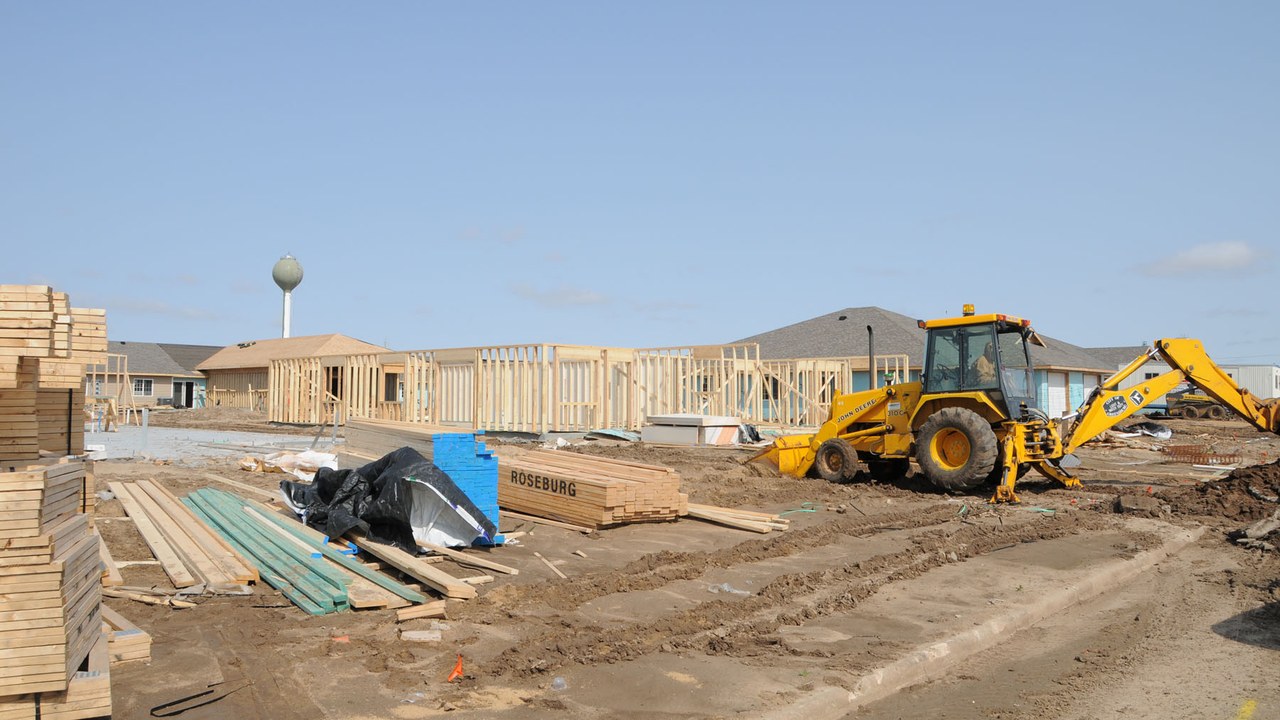
The divergence starts with building permits. The U.S. Census Bureau’s Building Permits Survey shows that Sun Belt metros authorized enormous volumes of multifamily housing during 2022, 2023, and into 2024. Austin, Dallas-Fort Worth, Phoenix, and Jacksonville led the nation in new apartment permits per capita, responding to years of rapid population growth and double-digit rent spikes that made development highly profitable.
Multifamily projects typically take 18 to 24 months from permit to move-in. That means the permits pulled during the 2022-2023 surge have been converting into finished apartments throughout 2025 and into 2026. In the Austin metro area alone, tens of thousands of apartment units were completed between early 2024 and early 2026, according to CoStar Group tracking data. Across Texas, completions hit levels not seen in decades.
The effect is straightforward: when supply jumps, landlords compete. Asking rents fall, and concessions like one or two months free on a 12-month lease become standard in newer complexes. Rental housing economist Jay Parsons, formerly head of economics at RealPage, has described Sun Belt markets as experiencing some of the most renter-friendly conditions in over a decade, driven almost entirely by the volume of new supply hitting the market at once.
Austin is the most dramatic case, but the pattern is consistent across the region. Markets that built the most are delivering the steepest price relief.
Midwest and Northeast renters face the opposite problem
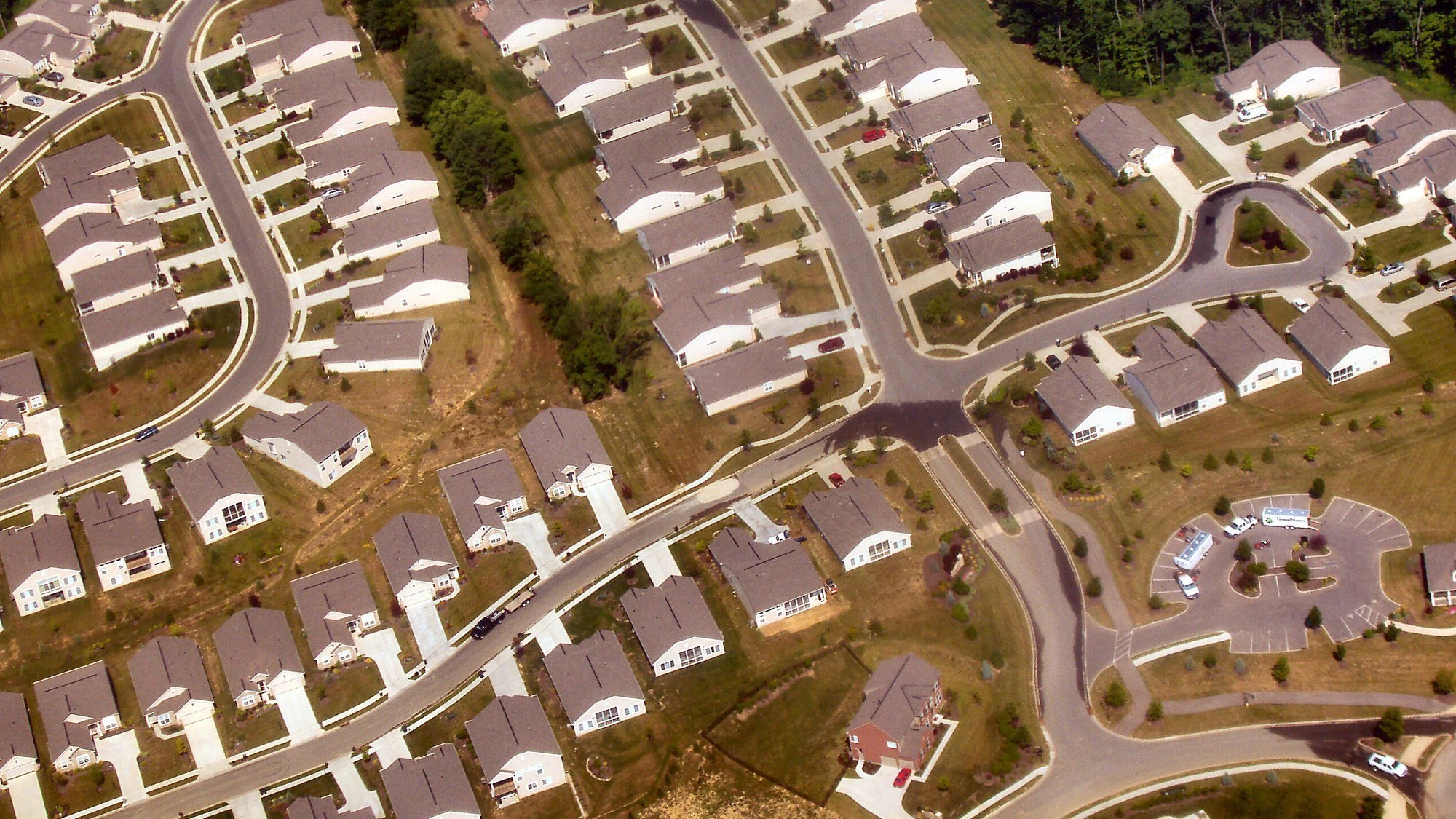
In Chicago, a renter searching for a two-bedroom apartment is competing against a thinner pool of available units than at any point in recent memory. The same is true in Boston, Hartford, and Milwaukee. These cities permitted far fewer multifamily units during the same period that Sun Belt metros were building aggressively. Higher land costs, stricter zoning codes, longer approval timelines, and organized community opposition to new development all played a role.
With fewer new apartments entering the market, existing landlords face little competitive pressure. Vacancy rates in many Midwest and Northeast metros remain below 5 percent, according to Census Bureau Housing Vacancy Survey data, giving property owners confidence to raise rents knowing tenants have limited alternatives. The annual increases showing up in listing data reflect that tightness, particularly in neighborhoods close to job centers and public transit where new construction is hardest to approve.
Boston is an instructive example. Despite being one of the most expensive rental markets in the country, with a median one-bedroom asking rent above $2,500, the metro area has consistently underbuilt relative to demand. Permitting in the city proper requires navigating a layered approval process that can stretch for years. The result is a market where even modest demand growth translates directly into higher costs because the housing stock barely expands.
Nationally, the picture splits the difference. Apartment List’s national rent index has been roughly flat year over year through spring 2026, a number that masks the sharp regional divergence underneath.
Jobs, migration, and interest rates add complexity
Supply alone does not explain everything. Employment trends are also shifting the picture. Bureau of Labor Statistics data from early 2026 shows that job growth in several Sun Belt metros has cooled from the torrid pace of 2022 and 2023. Austin’s tech sector, which drove much of the city’s pandemic-era population surge, has seen a slowdown in hiring activity. When fewer people are moving to a city for work at the same time that thousands of new apartments open, the downward pressure on rents intensifies.
In the Midwest and Northeast, employment has been more stable, anchored by healthcare systems, universities, financial services, and government. That steady demand, paired with limited new housing, keeps rents climbing. The divergence is not just about cranes and concrete; it is also about where the paychecks are and how fast those labor markets are growing or contracting.
Interest rates add another layer. The Federal Reserve’s sustained higher-rate environment has made construction financing significantly more expensive than it was in 2021 or early 2022. Developers who locked in lower rates during the building boom were able to complete their projects, but new multifamily loan originations have slowed. That means the current wave of Sun Belt supply may not be followed by another one of equal size, a dynamic that could eventually put a floor under falling rents.
One open question is whether falling Sun Belt rents will attract new residents from higher-cost regions, creating a self-correcting cycle. Historically, Americans have moved toward cheaper housing and warmer climates, and the current price gap could accelerate that trend. But long-distance moves depend on job availability, family ties, and relocation costs, so the adjustment is unlikely to be swift.
What renters should watch through the rest of 2026
The key variable for the coming months is whether Sun Belt builders have already pulled back hard enough to thin out the pipeline. If multifamily permit activity dropped sharply in late 2025 and early 2026, as preliminary Census data suggests, the current wave of new supply will eventually run its course. That would set the stage for rents to stabilize or even tick back up in markets like Austin by late 2027 or early 2028.
Conversely, if developers kept starting projects based on earlier demand projections, the supply glut could deepen further. The Census Bureau’s next quarterly permit release, expected this summer, will offer the clearest signal on that front.
For Midwest and Northeast renters, the near-term outlook is less encouraging. Without a significant increase in building activity, which would require zoning reforms, faster permitting, or both, supply constraints will likely keep rents elevated. Some cities have started to act. Minneapolis eliminated single-family-only zoning in 2020, and parts of the Boston metro area have begun loosening land-use rules under Massachusetts’ MBTA Communities Act. But the effects of those policy changes will take years to show up as completed apartments and lower rents.
Two housing markets shaped by the permits of yesterday
The current rent split is not a temporary blip. It is the direct, measurable result of how much housing different regions chose to build during a period of extraordinary demand. Sun Belt metros that permitted aggressively are now delivering real relief to renters in the form of lower prices and better lease terms. Midwest and Northeast cities that built cautiously, whether by choice or by regulatory constraint, are passing the cost of that restraint on to tenants.
For anyone weighing where to live or deciding whether to renew a lease, the numbers carry a practical message: geography is once again one of the biggest factors in what you pay for housing. And the permitting and construction decisions that local governments and developers make in 2026 will determine whether the renters of 2028 and 2029 face the same divide, or something closer to balance.