Replace five drafty windows and install a heat pump in the same year, and the federal government will hand you up to $3,200 off your tax bill. That is not a rebate check in the mail. It is a dollar-for-dollar credit against the income tax you owe, covering 30 percent of what you spend on qualifying energy upgrades. The credit resets every January, so a homeowner who maxes it out in 2026 can come back in 2027 with a different project and claim it again.
But there is a compliance wrinkle that most buyers never hear about until it is too late. A manufacturer-registration requirement that took effect for the 2025 tax year means the IRS can reject your entire claim if the product you bought was never formally registered, even if it meets every efficiency standard on paper. Below is a breakdown of what the credit covers in 2026, where the hidden traps are, and how to verify everything before you write a check.
How the credit works and what qualifies
The Energy Efficient Home Improvement Credit lives in Section 25C of the Internal Revenue Code, expanded significantly by the Inflation Reduction Act of 2022. It reimburses 30 percent of qualified costs as a nonrefundable tax credit, meaning it can shrink your federal tax bill to zero but will not produce a refund beyond what you owe.
The $3,200 annual ceiling is split into two independent buckets:
- Envelope bucket (up to $1,200): Insulation, exterior doors, windows, and skylights. Windows and skylights share a $600 sub-limit. Exterior doors are capped at $250 per door and $500 total. A qualified home energy audit also falls here, capped at $150.
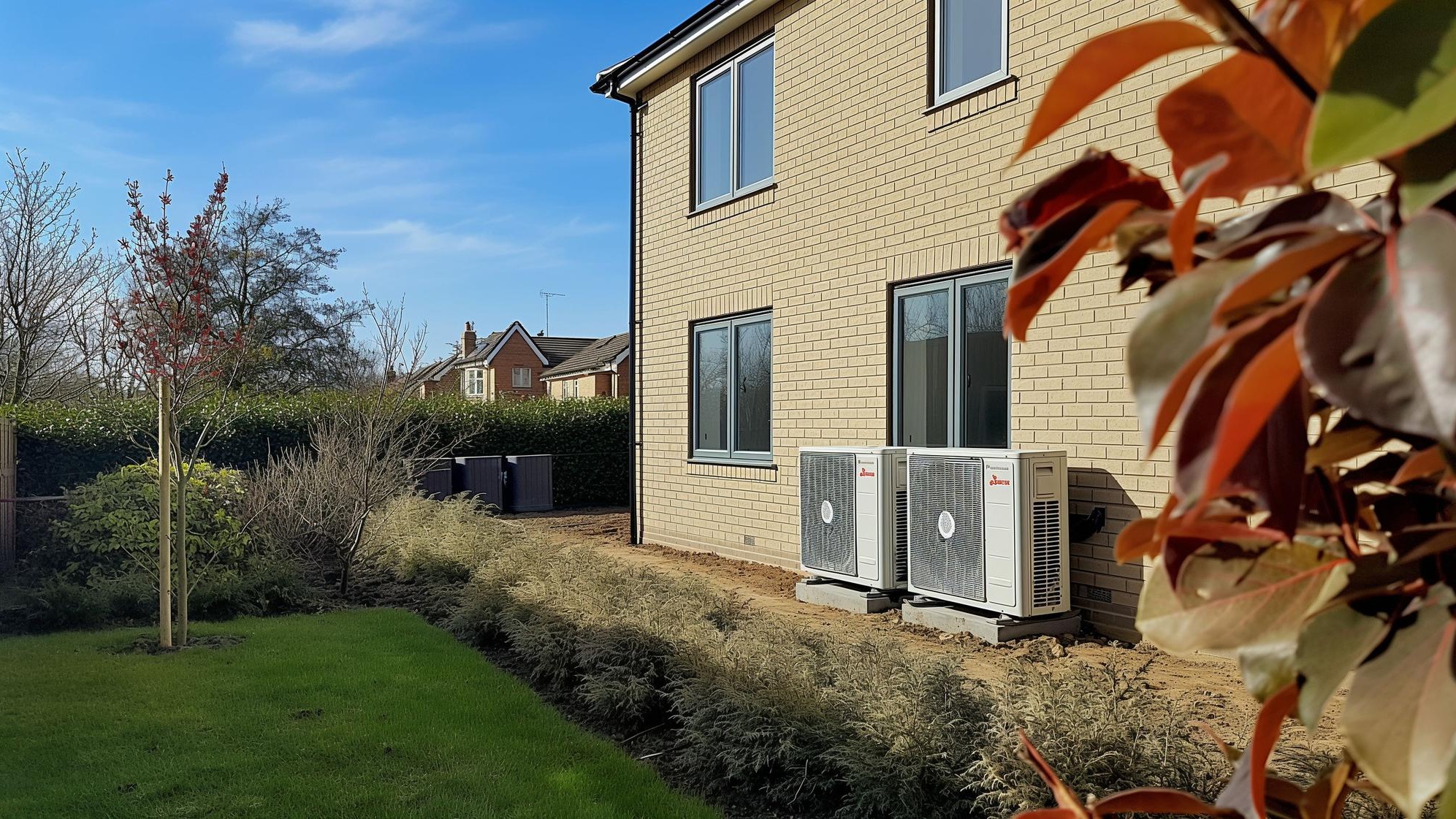
- Heat pump bucket (up to $2,000): Heat pumps, heat pump water heaters, and biomass stoves. Because this bucket is separate from the envelope cap, a homeowner who installs a heat pump and replaces windows in the same year can reach the full $3,200.
To put real numbers on it: a homeowner who spends $14,000 on a qualifying heat pump installation would claim $2,000 (the bucket cap, since 30 percent of $14,000 exceeds it). If that same homeowner also spends $6,500 replacing windows, the window credit would be $600 (the sub-limit, since 30 percent of $6,500 also exceeds it). Combined credit for the year: $2,600. Add insulation or an exterior door, and the total climbs closer to $3,200.
The IRS maintains a full list of qualifying improvement categories, which also includes central air conditioners, natural gas furnaces, and boilers. One detail that trips people up: labor costs count toward the credit for heat pumps and biomass stoves but generally do not count for envelope items like insulation or windows.
There is no income limit. A household earning $50,000 and one earning $500,000 both qualify, provided the property is the taxpayer’s principal residence. Renters, landlords claiming the credit on rental properties, and buyers of new construction are all excluded.
Efficiency thresholds are stricter than most buyers expect
An Energy Star label on the box does not automatically mean a product qualifies for the credit. The IRS sets a higher bar.
HVAC equipment and heat pumps must meet or exceed the highest efficiency tier established by the Consortium for Energy Efficiency (CEE), excluding the advanced tier, as of January 1 of the installation year. Envelope components like windows, insulation, and doors must satisfy the most recent International Energy Conservation Code (IECC) standard referenced by the statute. The IRS spells out these benchmarks in its efficiency requirements FAQ.
In practice, two windows sitting side by side at a home improvement store can look identical, carry the same Energy Star badge, and still be treated differently on a tax return. One meets the IECC threshold; the other falls just short. The only reliable way to confirm eligibility before you buy is to pull the manufacturer’s specification sheet and compare the performance ratings against the applicable standard.
The QMID rule that catches buyers off guard
Starting with products installed in the 2025 tax year, the IRS added a compliance layer that most homeowners have never heard of. Manufacturers of qualifying products must register through the IRS Energy Credits Online (ECO) portal and obtain a Qualified Manufacturer Identification Number, or QMID. When a taxpayer files Form 5695 to claim the credit, the form now requires the product’s QMID and a product identification number (PIN) for categories including windows, skylights, doors, and certain HVAC equipment.
If the manufacturer never registered, or if the specific product line is not covered by the registration, the IRS can deny the credit outright. The product itself could exceed every efficiency benchmark and still be ineligible on paper. That shifts a real compliance burden onto buyers, who now need to verify not just performance specs but also manufacturer paperwork before committing to a purchase.
As of mid-2026, the IRS ECO portal offers a product lookup tool, but it is not yet a polished, consumer-friendly search experience. Homeowners should ask the manufacturer or retailer for the QMID and PIN before finalizing any order and confirm the numbers match the specific product model they are buying. Contractors who are unaware of the requirement, and many still are, may inadvertently recommend products that will not survive IRS scrutiny at filing time.
Five steps to lock in your credit before you spend
The gap between what looks like a qualifying product on a showroom floor and what the IRS will actually accept on a return is real. These steps close it:
- Verify the QMID and PIN. Ask the manufacturer or retailer for both numbers before you pay. Cross-check them on the IRS Energy Credits Online portal. If the seller cannot produce a QMID, treat that as a red flag.
- Confirm the efficiency tier independently. Request the product’s specification sheet and compare it against the applicable CEE tier (for HVAC and heat pumps) or IECC standard (for windows, insulation, and doors). Do not rely on marketing claims or an Energy Star label alone.
- Keep every receipt and certification statement. The IRS may request a manufacturer’s certification statement confirming the product meets Section 25C requirements. Store it with your tax records for at least three years after filing.
- Check how state rebates interact with the federal credit. The Department of Energy notes that federal tax credits can work alongside state and utility rebate programs, but some state incentives may reduce the cost basis used to calculate the 30 percent credit. Review your state program’s terms before assuming you can stack the full benefit. (Note: the separate Residential Clean Energy Credit under Section 25D, which covers solar panels and battery storage, is a different program with its own rules and limits.)
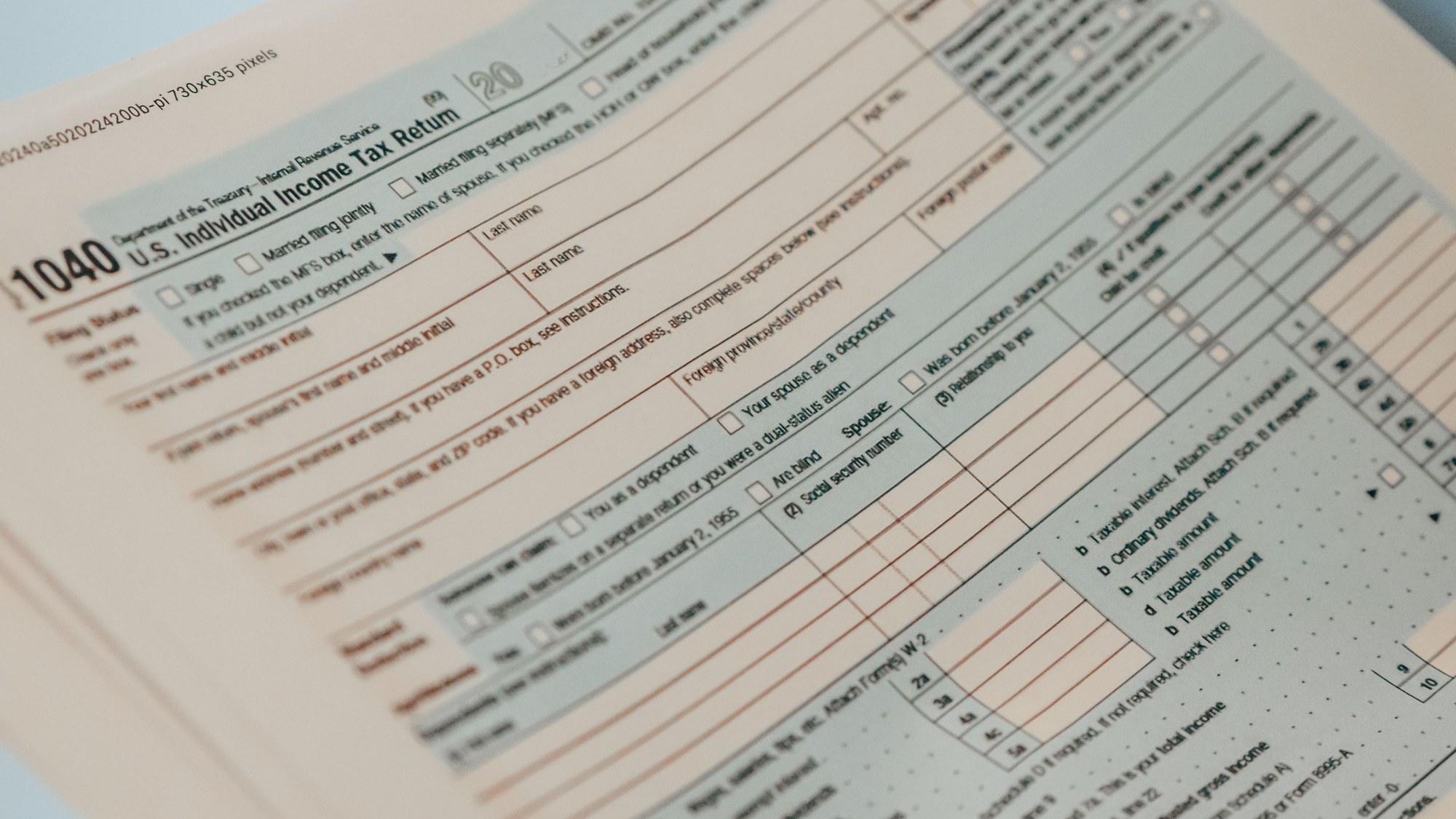
- File Form 5695 with your return. The credit is claimed on IRS Form 5695, which feeds into your Form 1040. Because the credit is nonrefundable, it can only offset tax you actually owe for the year. If your tax liability is lower than the credit amount, the unused portion does not carry forward.
Open questions the IRS still has not answered
Several gaps in guidance remain as of mid-2026. The IRS has not published denial rates for Section 25C claims filed for the 2025 tax year, the first year the QMID requirement applied. That means there is no public data yet showing how many taxpayers have been tripped up by registration issues. The agency also has not clarified whether it will offer a grace period or dispute process for taxpayers who reasonably believed a product was registered but later discovered the manufacturer’s paperwork was incomplete.
There is also the question of legislative durability. The Section 25C credit, as expanded by the Inflation Reduction Act, is currently authorized through 2032. However, ongoing budget discussions in Congress have put various IRA provisions under scrutiny. No changes to the Section 25C credit have been enacted as of June 2026, but homeowners planning multi-year upgrade strategies should monitor legislative developments.
For now, the safest move is to treat the QMID verification as a non-negotiable step in any energy upgrade project. The $3,200 annual credit remains one of the most generous residential energy incentives on the books, but it only pays off for buyers who confirm the paperwork before the installer shows up.