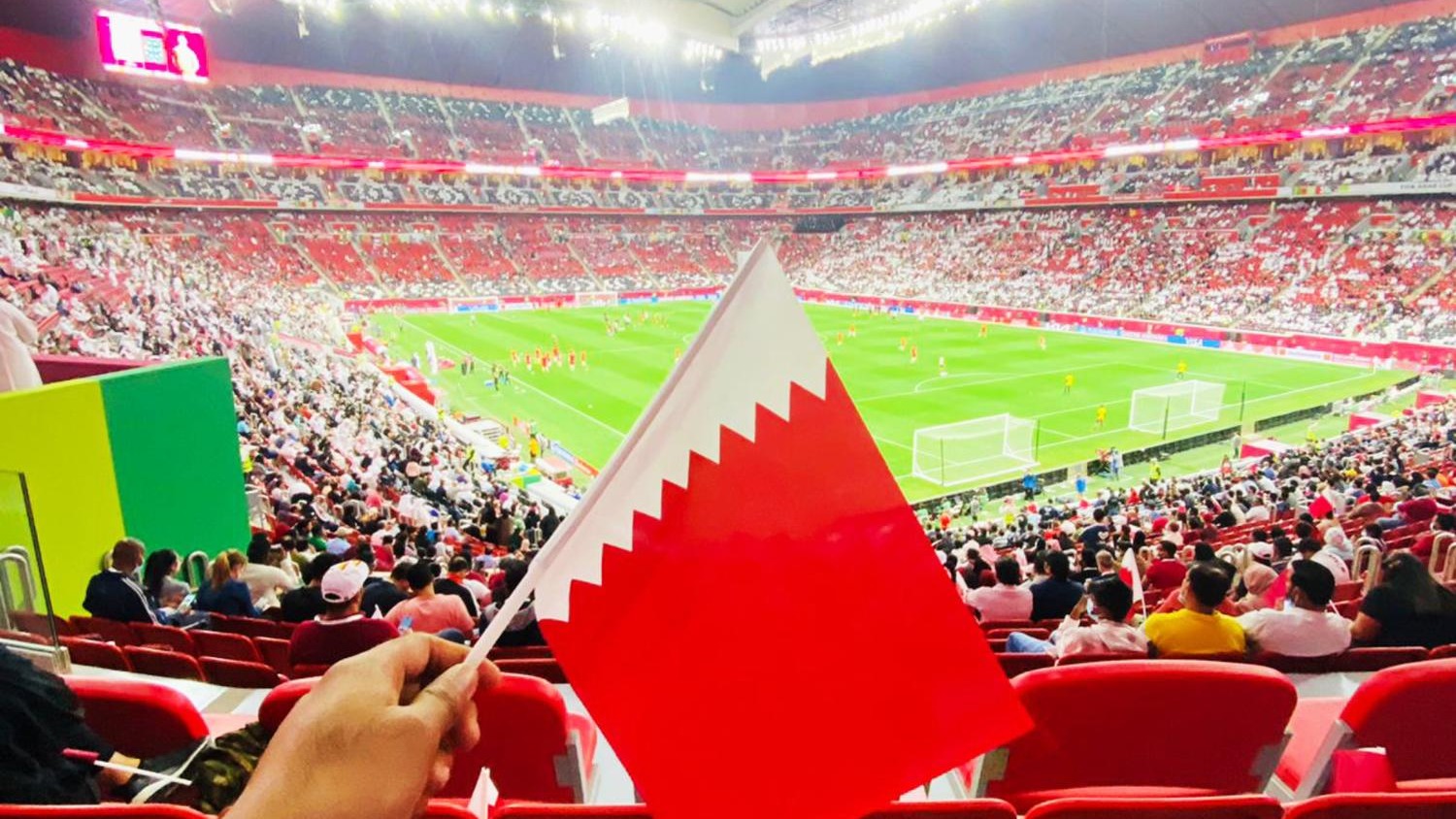
American soccer fans hoping to watch the U.S. men’s national team open the 2026 World Cup against Paraguay face a steep price of entry. As of Monday morning, the cheapest pair of tickets on resale markets cost roughly $951, even though the match has not sold out. With the tournament set to begin June 11, that combination of high prices and available seats raises pointed questions about how FIFA’s ticketing strategy is shaping access for everyday fans.
Dynamic pricing and the $951 floor for U.S. vs. Paraguay
FIFA adopted dynamic pricing for the 2026 World Cup, a first for the tournament. The system adjusts ticket costs based on demand, timing, and seat category rather than holding prices fixed at a single face value. The consequences became visible months ago, when one early analysis highlighted a World Cup final ticket appearing at $11,000 during FIFA’s initial open sale window. Group-stage matches, typically the most affordable tier of the tournament, have not escaped the effect. Tickets for early round games were still sitting on general sale roughly a month before kickoff, according to reporting on lingering availability that flagged the unusual pattern of unsold inventory paired with elevated prices.
The U.S. opener against Paraguay fits that pattern precisely. TicketData tracking showed the $951 figure for a pair of tickets on secondary marketplaces as of June 8. FIFA’s own authorized resale platform listed individual seats starting at $690. The gap between those two numbers matters: even the cheapest option on FIFA’s controlled resale channel runs well above what many families would budget for a single sporting event. For two adults bringing two children, total costs before travel, lodging, or food could easily exceed $2,000 on tickets alone.
Unsold seats and unanswered questions about FIFA’s inventory
The most striking detail is that the U.S. opening match is still not sold out with just days remaining. In a traditional fixed-price system, unsold tickets typically trigger price drops as the event approaches. Dynamic pricing can work differently. If the algorithm treats remaining inventory as scarce rather than surplus, prices stay elevated or even climb, discouraging last-minute bargain hunters.
No public FIFA sales dashboard shows exactly how many seats remain for the U.S. vs. Paraguay match or how the governing body decides when to release additional inventory batches. FIFA has not published methodology documents explaining how its dynamic tiers adjust for group-stage games specifically. That opacity makes it difficult to determine whether the $951 secondary-market floor reflects genuine scarcity or a pricing structure that keeps listed minimums high regardless of actual demand. The single TicketData snapshot from June 8 is the best publicly available data point, but it captures only one moment in what has been a months-long pricing cycle.
The practical result for fans is a narrow set of options. Buyers can pay close to $700 per seat through FIFA’s official resale channel, gamble on secondary-market fluctuations that so far have not produced meaningful bargains, or stay home and watch on television. Some supporters’ groups say they have encouraged members to monitor prices daily rather than locking in early, hoping that a late release of additional inventory could nudge costs down. So far, that break has not arrived.
Affordability, optics, and the host-nation experience
For a World Cup co-hosted by the United States, Canada, and Mexico, the pricing story carries symbolic weight. Organizers have promoted 2026 as an opportunity to showcase the sport’s growth in North America and to welcome new fans. Yet the current structure makes it difficult for many local families to attend even one match in person, especially in major U.S. markets where travel, parking, and concessions already strain household budgets.
Supporter advocates argue that the combination of dynamic pricing and limited transparency risks turning marquee games into luxury events. They point out that group-stage fixtures have historically offered an accessible entry point for casual fans and younger audiences. When that tier becomes prohibitively expensive, the in-stadium atmosphere can skew toward corporate guests and international visitors with greater means, altering the character of what is supposed to be a global festival.
Those concerns land in a broader conversation about the commercialization of elite football. Media rights, sponsorships, and hospitality packages account for a growing share of tournament revenue. Ticketing, while still significant, increasingly functions as both a revenue stream and a branding tool. High prices can signal exclusivity, but they also risk empty seats in television shots and criticism from supporters who feel priced out of an event staged in their own backyard.
What fans can realistically expect next
With kickoff nearing, meaningful structural change to the 2026 ticketing model appears unlikely. FIFA has given no indication that it plans to publish real-time inventory data or to cap dynamic increases for specific matches. Analysts say the most plausible short-term shift would be a quiet release of additional seats if internal sales targets are not met, a move that could soften prices at the margins without a formal policy reversal.
In the meantime, consumer advice remains pragmatic. Prospective buyers are urged to compare FIFA’s official resale platform against reputable secondary markets, factor in all fees before purchase, and be wary of offers that seem too good to be true. Fans who cannot justify the current prices may instead lean on extensive broadcast and streaming coverage, including global outlets such as major public broadcasters, which will bring the tournament to living rooms at a fraction of the in-person cost.
Whether the stands in the United States are full when the national team walks out against Paraguay will be an early test of FIFA’s gamble on dynamic pricing. Packed stadiums would bolster the argument that the market can bear these levels. Visible gaps in the crowd, despite sky-high asking prices, would tell a different story about who this World Cup is really for-and who has been left outside the gates.