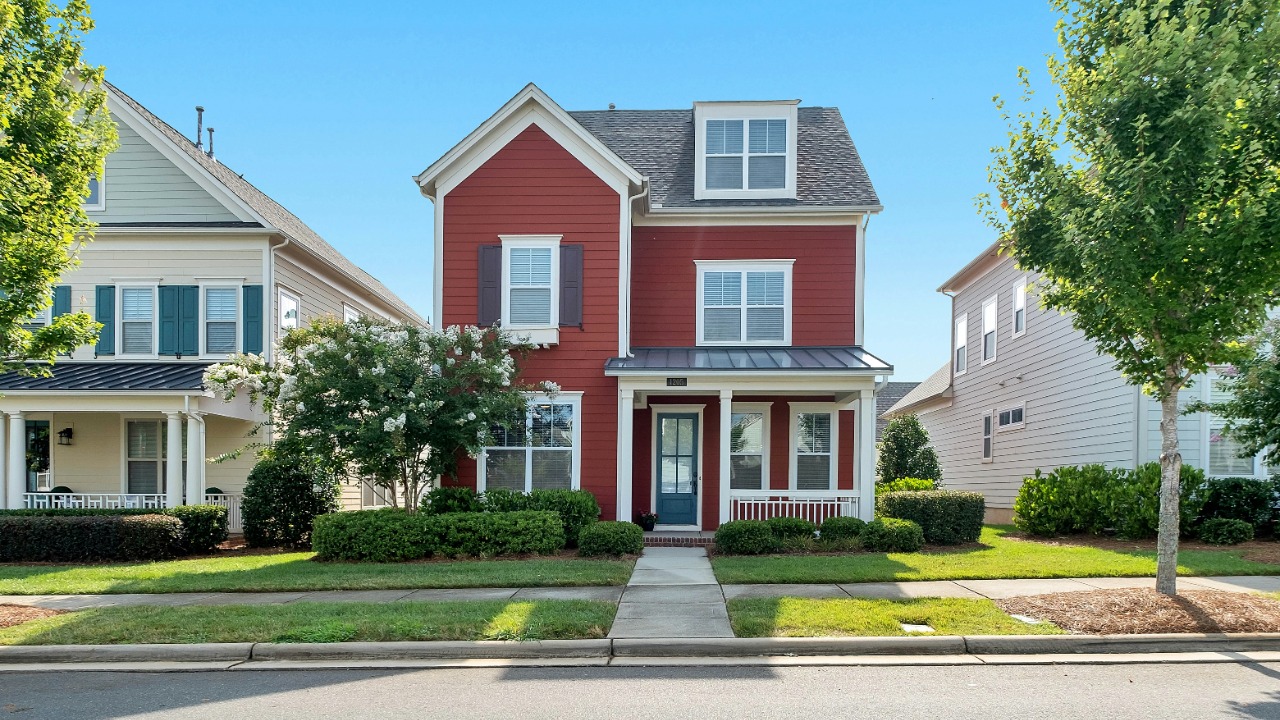
American home sellers cut asking prices in May 2026 at a pace not seen in nearly a decade, pushing the national median list price down 2.4% year over year to $429,500. The decline, the steepest since Realtor.com began tracking the metric, signals that the pandemic-era pricing playbook has finally expired. For buyers who spent years watching homes fly off the market above asking, the shift raises a pointed question: will lower sticker prices actually translate into more closed deals?
Sellers Reset Expectations After Years of Overpriced Listings
The 2.4% annual drop did not happen in a vacuum. Between 2020 and mid-2022, buyer demand ran at record levels while the number of homes available for purchase hit historic lows. In that stretch, almost everything sold over asking, conditioning sellers to price aggressively and expect bidding wars. That dynamic rewarded optimistic listing strategies for years, even as mortgage rates climbed and buyer pools shrank.
By May 2026, the math stopped working. Homes priced at pandemic-era levels sat longer, and sellers who wanted to close had to adjust. Realtor.com’s housing report describes the shift as sellers pivoting to more realistic pricing, a deliberate recalibration rather than a sign of distress. The distinction matters: a correction driven by seller strategy looks different from one driven by collapsing demand. In this case, sellers chose to meet the market where buyers actually stood.
The result is a national median list price of $429,500, a figure that represents the largest percentage decline since Realtor.com started publishing the data nine years ago. For a household shopping in the median range, that 2.4% drop translates to roughly $10,500 less on the sticker price compared with May 2025. That gap can meaningfully change monthly payment calculations, especially for buyers stretching to qualify at current mortgage rates.
Reporting from industry outlets underscores how unusual this moment is. One analysis notes that list prices have just recorded their sharpest annual decline in nearly a decade, framing the move as a clear break from the post-2020 boom when sellers held most of the leverage. Another commentary on recent price trends emphasizes that the pullback in asking prices is happening even as many owners remain reluctant to give up low-rate mortgages, suggesting that the change is less about a flood of distressed listings and more about a reset among those who do choose to sell.
Why a Listing-Price Drop Does Not Guarantee a Sales Surge
Lower asking prices should, in theory, pull sidelined buyers back into the market. A more affordable entry point reduces the income needed to qualify for a mortgage and narrows the gap between what sellers want and what buyers can pay. Some agents describe renewed buyer interest as prices ease, with shoppers who had paused their searches now testing whether the numbers finally work.
The hypothesis that May’s price drop will produce a measurable rise in closed sales within 60 to 90 days has logical appeal. Listings priced closer to what buyers can actually afford tend to generate offers faster and spend fewer days on the market. If the prior year’s cohort of overpriced listings stalled because sellers refused to budge, then a fresh wave of realistically priced homes should convert at a higher rate.
But several factors complicate that prediction. Mortgage rates remain a gating mechanism for affordability, and a 2.4% reduction in list prices does not offset a rate environment that keeps monthly payments elevated. Buyers also face tighter lending standards in some segments, and the psychological hangover from years of losing bidding wars has made many cautious even when prices soften. A lower asking price helps, but it does not remove every barrier between browsing and closing.
Closed-sale data typically lags listing activity by one to three months because of the time needed for offers, inspections, appraisals, and funding. The true test of whether May’s repricing accelerates transactions will show up in July and August closing numbers. Until those figures arrive, the connection between lower list prices and higher sales volume remains a reasonable expectation rather than a confirmed outcome.
What the Realtor.com Data Shows and What It Leaves Out
The core statistic, a 2.4% year-over-year decline to a median asking price of $429,500, comes from Realtor.com’s monthly housing report and has been cited across multiple outlets. The figure captures asking prices, not final sale prices, which means it reflects seller behavior at the point of listing rather than the negotiated outcome at closing. That distinction is significant because asking prices can move independently of what buyers ultimately pay.
The available reporting does not include regional or price-tier breakdowns from the underlying dataset. A national median can mask wide variation: markets in the Sun Belt, for instance, may behave very differently from those in the Northeast or Midwest. Without that granularity, it is difficult to say whether the 2.4% drop is concentrated in a handful of overbuilt metros or spread broadly across the country.
Inventory levels and days-on-market figures, two metrics that would help explain whether the price drop is attracting faster sales activity, are referenced in some news accounts but are absent from the primary source excerpts available. The same is true for buyer inquiry or showing volume data, which would provide early evidence of whether lower prices are drawing more foot traffic. Seller motivation, described in secondary summaries as a pivot to realistic pricing rather than panic selling, also lacks detailed quantitative backing in the public snapshots of the report.
This limitation does not undermine the headline finding, but it does narrow what observers can confidently conclude. The data clearly show that sellers, on average, are coming to market with lower expectations than a year ago. They do not yet show whether buyers are meeting them halfway, or whether the market is simply moving from one kind of stalemate-overpriced listings with few offers-to another, in which both sides remain cautious despite more grounded asking prices.
How Buyers and Sellers Can Navigate the New Landscape
For buyers, the shift in list prices is an opportunity to revisit assumptions formed during the frenzy years. A national median of $429,500 does not mean every listing is suddenly affordable, but it does suggest that initial asking numbers are more negotiable and more closely aligned with appraised values. Buyers who were previously outbid may find less competition, and those who paused their search might run new scenarios with current prices and rates to see whether a purchase now fits their budget.
Sellers, meanwhile, face a more nuanced calculus. Holding out for 2022-style offers appears increasingly unrealistic, especially in markets where inventory has crept higher or where new construction is adding options for buyers. Pricing a home correctly on day one-anchored in recent comparable sales rather than aspirational numbers-can shorten time on market and reduce the need for later price cuts that may signal weakness.
Both sides should recognize that this is a transitional period. The dramatic swings of the pandemic era have given way to a slower, more data-dependent market in which modest shifts in list prices and mortgage rates can have outsized effects on sentiment. The May 2026 listing-price drop is a clear marker of that transition, but not the final word on where the housing market will settle.
As more detailed data emerge over the summer, including regional breakdowns and closed-sale figures, a clearer picture will form of whether this reset in seller expectations is enough to unlock a new phase of activity. For now, the message embedded in the numbers is straightforward: the era of automatic appreciation and sky-high asking prices has ended, and buyers and sellers alike must navigate a market that is finally, if unevenly, coming back down to earth.