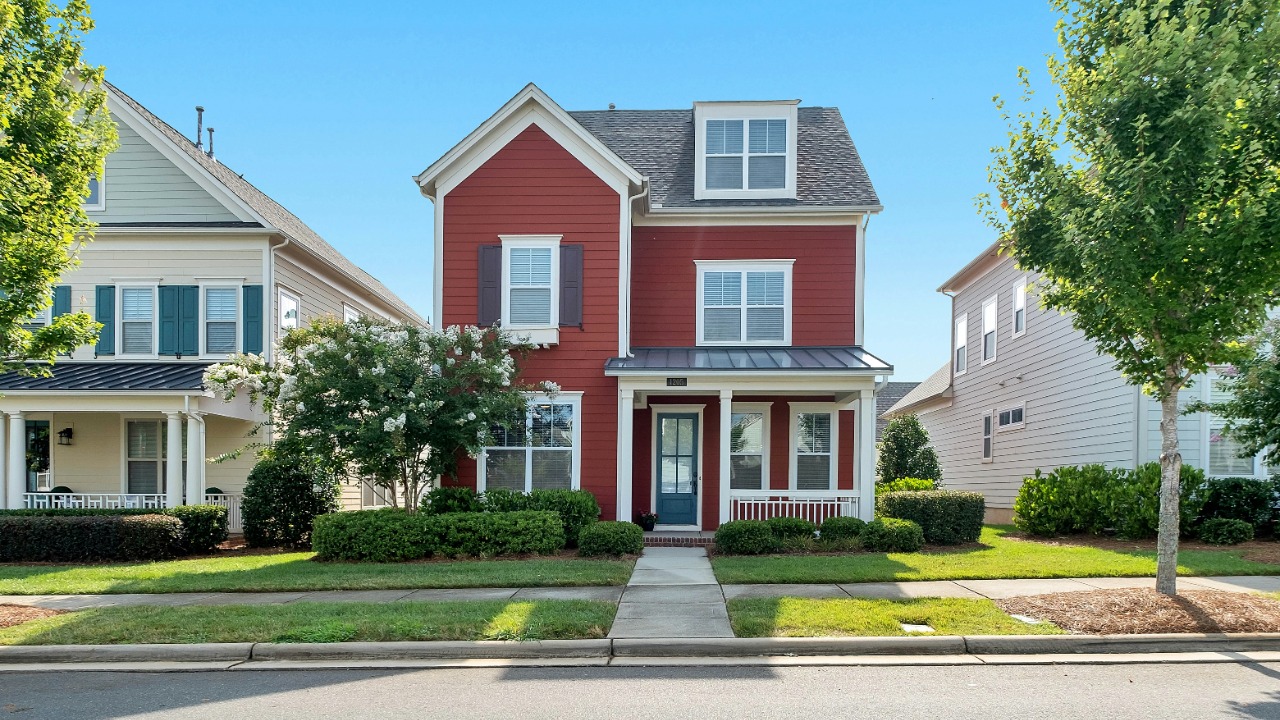
Homebuyers scanning the market this spring found more options than they have had in years, with 1.55 million unsold homes sitting on the market in May and a 4.5-month supply giving shoppers slightly more breathing room. That inventory gain coincided with the biggest monthly jump in home sales during an otherwise sluggish 2026, even as mortgage rates near 6.5 percent continued to squeeze affordability for millions of households.
Why 1.55 million unsold homes shift the balance for buyers and sellers
A 4.5-month supply sits just below the six-month threshold that economists typically associate with a balanced market. For sellers, the number signals that the extreme leverage they enjoyed during the pandemic-era shortage is fading. For buyers, it means fewer bidding wars and more time to compare properties before committing. The practical effect, however, depends heavily on local conditions rather than the national average.
The hypothesis worth testing is whether this supply level will produce actual year-over-year price drops. National inventory alone does not dictate pricing outcomes in individual neighborhoods. Price declines are most likely to show up in ZIP codes where active listings have climbed at least 25 percent above their 2024 average, because that degree of local surplus forces sellers to compete on price regardless of where the 30-year fixed rate lands. Markets where listings have risen only modestly, even if the national figure looks softer, will likely see flat or gently rising prices because demand still absorbs the available stock.
Even within the same metro area, conditions can diverge sharply. Suburban tracts with a wave of new construction may suddenly see buyers negotiating closing costs or price reductions, while tight in-town neighborhoods with limited buildable land can still command near-peak prices. Investors add another wrinkle: if rental demand is strong and vacancy rates are low, investors may step in to buy excess inventory, putting a floor under prices even as traditional owner-occupant demand softens.
Freddie Mac rate data and the May sales surge
The rate environment surrounding May closings added a layer of tension to the inventory picture. According to Freddie Mac survey data, the weekly benchmark 30-year fixed-rate mortgage average was 6.48 percent, a slight decline that may have nudged some fence-sitters into action. At that rate, a buyer financing $400,000 faces a monthly principal-and-interest payment north of $2,500, a figure that still prices out a large share of first-time purchasers.
Sales activity responded to the combination of more listings and a modest rate dip. As reporting on May transactions makes clear, home sales jumped by the largest margin recorded in what has been a slow year for deals. The 1.55 million unsold homes and 4.5-month supply reported alongside those sales numbers suggest that new listings are entering the market faster than buyers can absorb them, even with the uptick in closings.
That dynamic matters because it separates 2026 from the acute shortage years of 2021 through 2023, when inventory regularly dipped below a two-month supply and sellers routinely fielded multiple offers within days. The current environment is not a buyer’s market by historical standards, but it is no longer the extreme seller’s market that defined the post-pandemic period. Buyers who were repeatedly outbid in earlier years now have a better chance of winning a home without waiving inspections or appraisal contingencies.
Still, affordability remains a binding constraint. Elevated prices layered on top of mid-6 percent mortgage rates mean that many households who qualify on paper are uncomfortable taking on the required monthly payment. That tension shows up in longer days on market for mid-priced homes and in the growing share of listings that eventually close after a price cut rather than at the original ask.
Unanswered questions about where prices head next
Several gaps in the available data limit how far anyone can project from the May snapshot. No granular breakdown by metro area or ZIP code accompanies the national 1.55 million inventory figure, making it difficult to distinguish between markets that are genuinely loosening and those that remain tight. Without that detail, national averages risk obscuring the fact that some cities may already be in mild correction territory while others continue to notch new price highs.
Another unknown is how sellers will behave if conditions soften further. Homeowners who locked in sub-4 percent mortgages earlier in the decade face a stark trade-off if they move: higher borrowing costs on the next home and the possibility of accepting a lower price on the current one. If enough would-be sellers decide to stay put rather than list into a cooler market, the supply cushion could shrink again, propping up prices even in the face of weaker demand.
On the demand side, much hinges on the path of interest rates and the broader economy over the second half of 2026. A sustained decline in borrowing costs could unlock pent-up demand from households that delayed buying in 2024 and 2025, quickly tightening inventories back up. Conversely, if rates remain stuck near current levels and job growth slows, the existing 4.5-month supply could stretch toward a more clearly balanced or even buyer-leaning market, putting real downward pressure on asking prices.
For now, the May data describe a housing market in transition rather than one that has clearly broken in favor of either buyers or sellers. Inventory is rising, sales are no longer stalled, and affordability is still strained. How those forces resolve will depend less on the national headline numbers and more on how many local markets cross the tipping point where sellers must compete in earnest for each buyer’s offer.