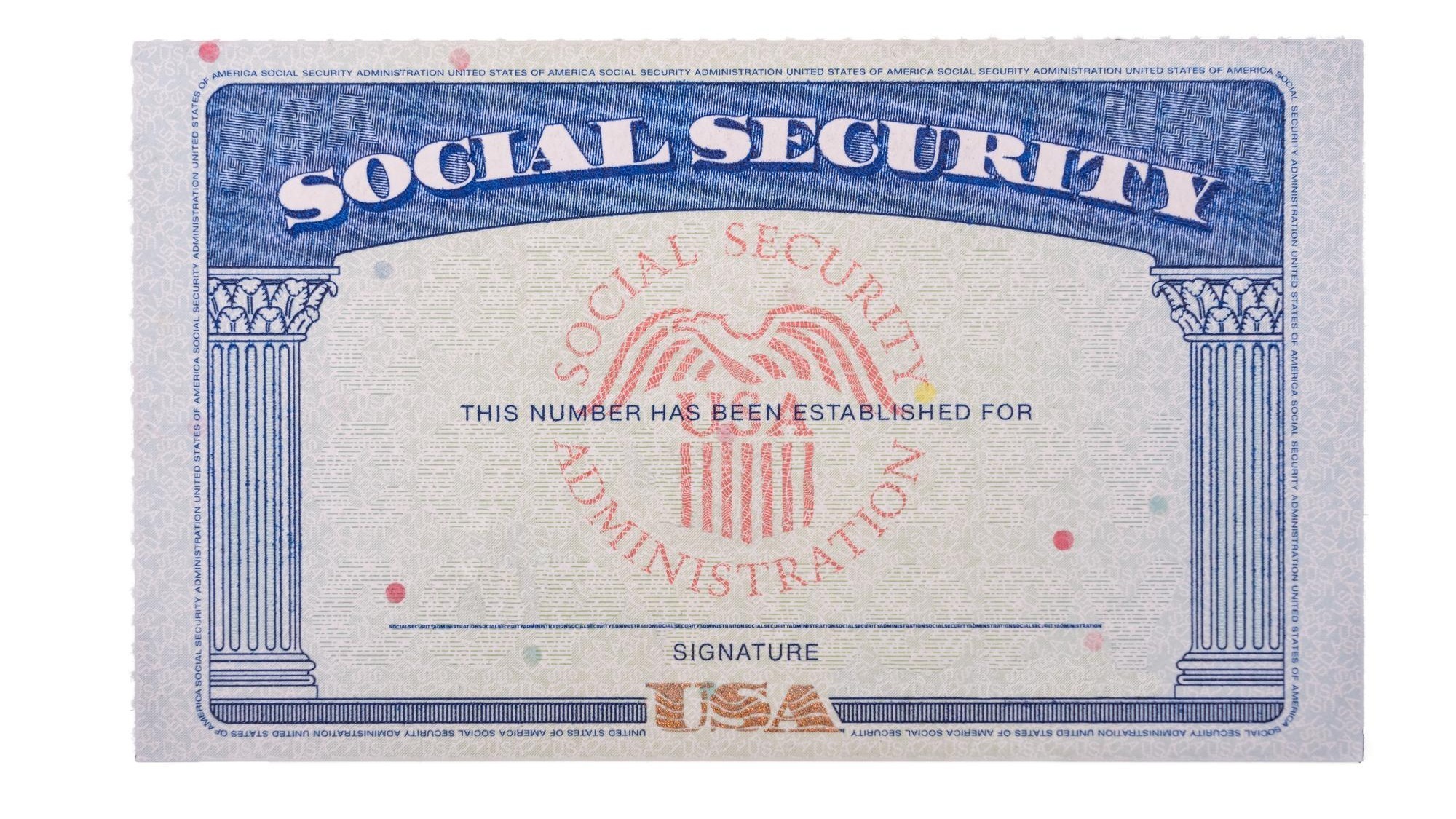
Roughly 70 million Americans who depend on Social Security retirement benefits now have one fewer year before the program’s dedicated trust fund is projected to be exhausted. The Old-Age and Survivors Insurance trust fund, known as OASI, is expected to be depleted in the fourth quarter of 2032, according to the annual Trustees Report released Tuesday. That is a full year earlier than the 2033 timeline projected in last year’s report, tightening the window for Congress to act before beneficiaries face automatic benefit cuts.
Shorter runway for retirees and near-retirees
The one-year acceleration in the depletion date carries direct consequences for anyone currently receiving Social Security checks or planning to claim them within the next six years. If the OASI fund runs dry without legislative intervention, the program would only be able to pay out what it collects in ongoing payroll taxes, which historically covers roughly 80 percent of scheduled benefits. For a retiree receiving $2,000 a month, that gap would translate into a reduction of about $400 per check.
Workers in their late 50s and early 60s face a particularly acute planning challenge. The latest Trustees summary makes clear that the combined trust funds projection remains consistent with the prior year, but the retirement-specific OASI fund is deteriorating faster than the blended figure suggests. That distinction matters because OASI is the fund that directly pays monthly retirement and survivor benefits, while the separate Disability Insurance fund currently carries a longer solvency horizon.
One plausible behavioral response: near-retirees who absorb the 2032 headline may increasingly opt to delay claiming benefits in order to lock in higher monthly payments through delayed retirement credits. For someone entitled to a full retirement age benefit at 67, waiting until age 70 increases the monthly check by up to 24 percent under current rules, partially insulating them from any across-the-board cut that might take effect if Congress fails to act. Financial planners may begin incorporating the new depletion date into advice around when to file, how much to save in tax-advantaged accounts, and whether to work longer.
If the new timeline triggers a measurable uptick in delayed-filing applications within the next 18 months, it would signal that the Trustees Report is actively shaping household-level financial decisions, not just Washington policy debates. Conversely, if claiming patterns remain largely unchanged, that would suggest many Americans either are not aware of the projections or feel they have little flexibility to adjust retirement timing regardless of policy risk.
What the 2026 Trustees Report actually shows
The Social Security Board of Trustees released its annual report on June 9, 2026. In its accompanying agency announcement, officials confirmed that the projection for the combined OASI and Disability Insurance trust funds remains broadly consistent with last year’s estimate. But the OASI-specific finding, fourth-quarter 2032 depletion, represents a meaningful downward revision driven by weaker-than-expected payroll tax receipts and rising benefit obligations as Baby Boomers continue entering retirement in large numbers.
Demographic realities are central to the new forecast. As more workers move into retirement, the ratio of beneficiaries to active workers continues to climb, putting pressure on a system that was designed when families were larger and life expectancy was shorter. Slower wage growth and periods of labor-market softness can further erode payroll tax inflows, while cost-of-living adjustments automatically ratchet benefits higher in response to inflation. The 2026 report reflects all of these interacting forces.
The same day, the Centers for Medicare and Medicaid Services published the companion Medicare analysis, which tracks the Hospital Insurance trust fund’s own solvency timeline. The simultaneous release of both reports is standard practice, but it reinforces how tightly linked the fiscal pressures on Social Security and Medicare have become. Both programs draw on payroll taxes and both face demographic headwinds that no single policy fix can fully offset.
Policymakers therefore confront a dual challenge: stabilizing Social Security’s retirement program while ensuring Medicare can meet future hospital and physician costs for an aging population. Proposals frequently discussed in Washington include gradually raising the payroll tax rate, lifting or eliminating the cap on taxable earnings, adjusting the benefit formula for higher earners, and modifying the full retirement age for younger cohorts. Each option carries trade-offs between revenue, adequacy of benefits, and generational equity.
A notable governance detail is that the Board of Trustees currently has unfilled public trustee vacancies. Public trustees are meant to serve as independent voices on the board, separate from the cabinet officials who hold seats by statute. Their absence means the projections were issued without the full complement of outside oversight envisioned when Congress created the modern trustee structure. Advocates for filling those seats argue that independent members can help bolster public confidence in the reports and inject a longer-term perspective into policy discussions.
For current and future retirees, the latest report underscores that inaction has a cost: the longer lawmakers wait, the more abrupt and painful any eventual fix is likely to be. Gradual adjustments adopted soon could spread the burden across more cohorts and give workers time to adapt. With the OASI depletion date now just six years away, the window for a smooth transition is narrowing, even as the basic promise of Social Security-modest but reliable income in old age-remains central to Americans’ financial security.