Roughly one in four federal student-loan borrowers who owe a monthly payment have fallen behind, and the federal government is about to start collecting again. The U.S. Department of Education announced on April 21, 2025, that it will resume collections on defaulted federal student loans starting May 5, 2025, ending a years-long pause that shielded millions from wage garnishment and tax-refund seizures. Credit-bureau data and borrower surveys paint a picture of widespread repayment trouble that is about to collide with real financial consequences.
Rising delinquency meets the May 5 collections restart
The scale of the problem comes into focus through two independent data sets. An Urban Institute analysis of credit-bureau records spanning 2015 through 2025 found that 21 percent of borrowers have had a recent student-loan delinquency, the highest rate since 2017. That figure captures borrowers who are at least 30 days late, and it climbed even while the Department of Education’s temporary on-ramp policy shielded late payers from the harshest credit-reporting penalties.
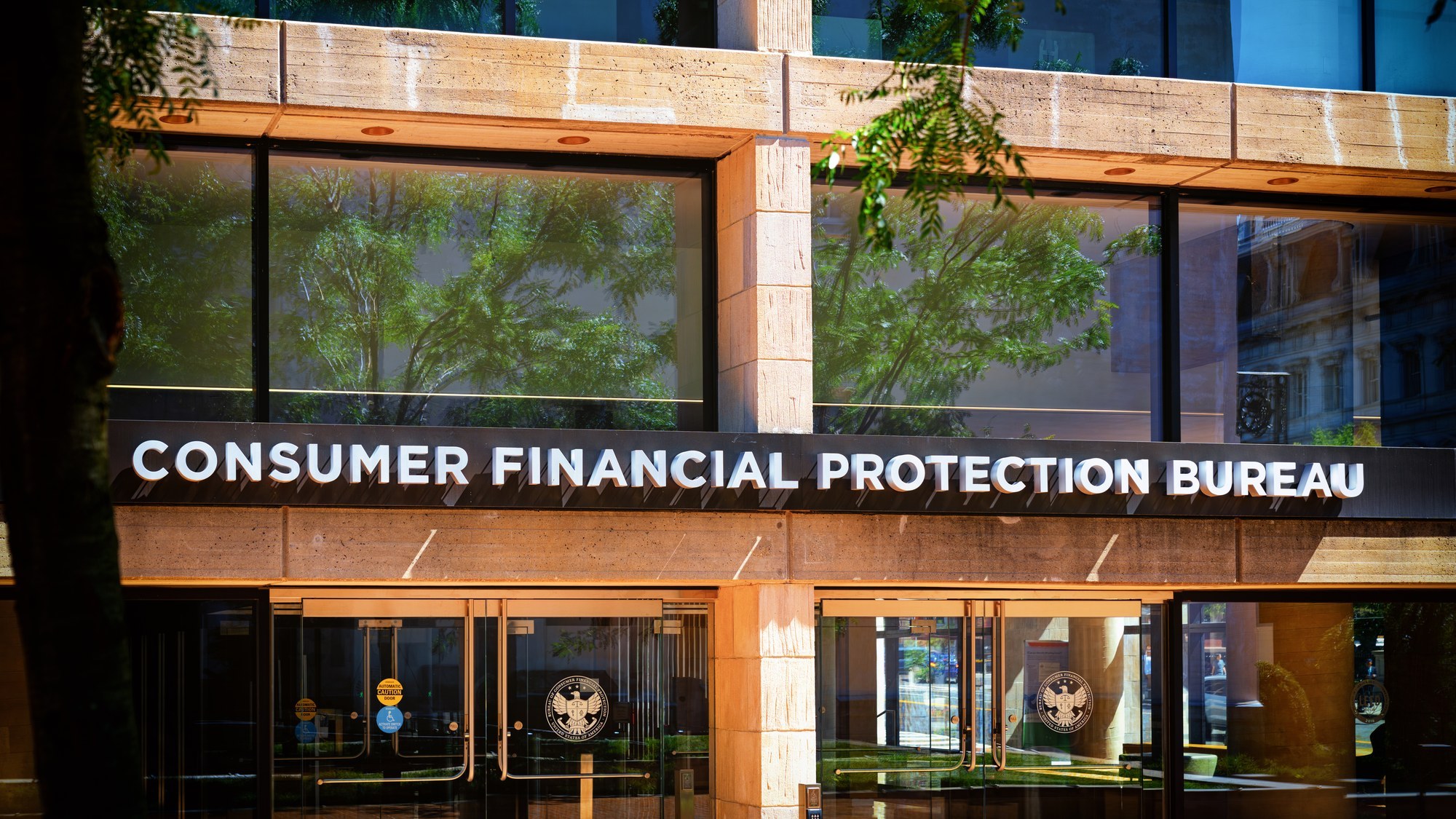
A separate CFPB survey found that more than one in three borrowers reported missing a payment since bills resumed. A majority of respondents told the CFPB they have difficulty making their payments at all. The gap between the 21 percent delinquency rate in credit data and the higher self-reported miss rate in the CFPB survey suggests that many borrowers who are struggling have not yet tripped formal delinquency thresholds, partly because the on-ramp period delayed negative credit reporting.
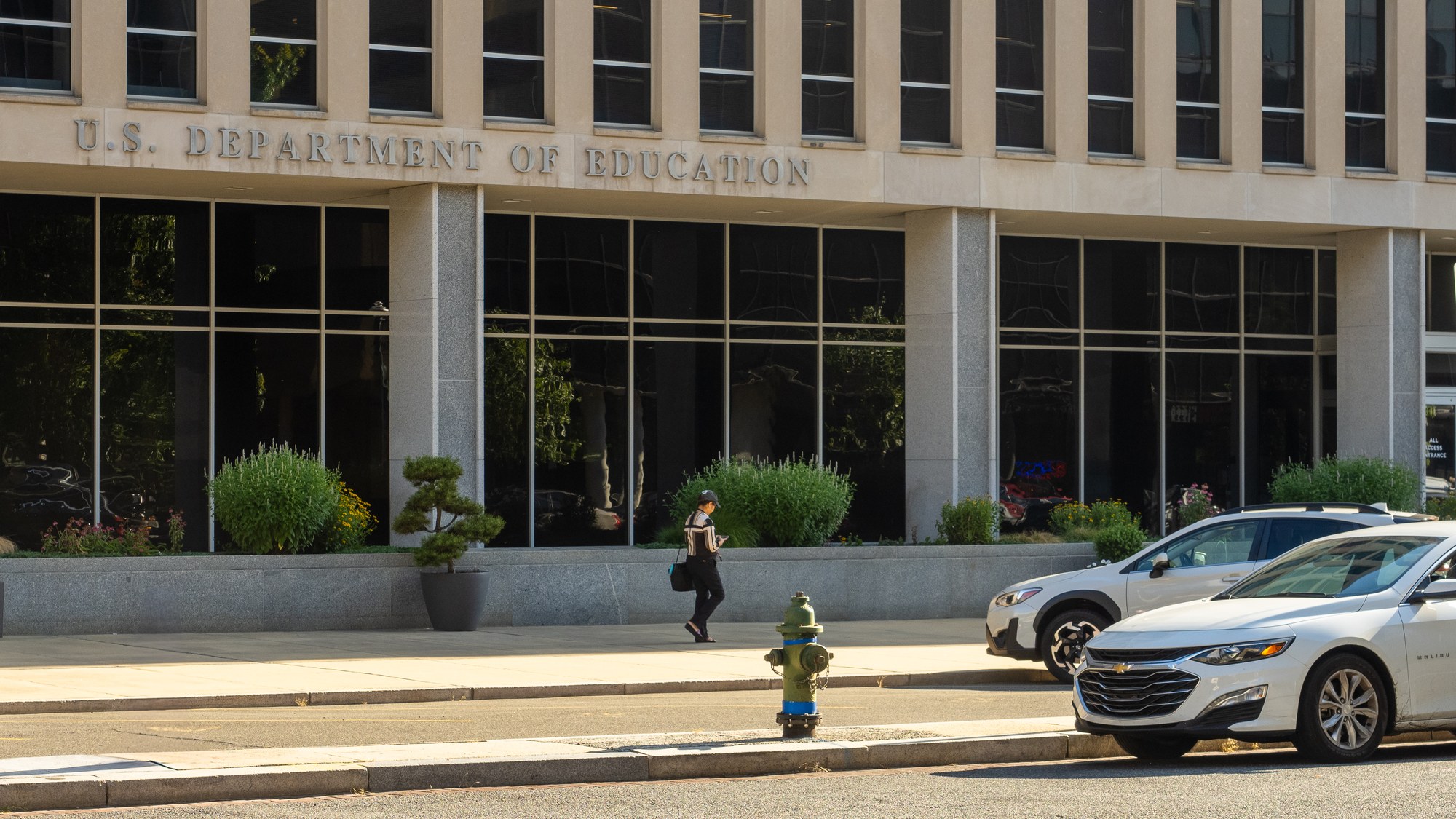
That buffer is ending. In its April 21 press release, the Department of Education said it will restart default collections and use tools such as Treasury offset and wage garnishment, while also offering pathways back into good standing for some borrowers, as described in the department’s collections announcement. Borrowers who spent the on-ramp period without enrolling in an income-driven repayment plan are the most exposed group. They received temporary protection from default consequences but did not reduce their required payment or build a repayment track record. Once collections resume and credit bureaus begin full reporting, the 21 percent delinquency figure could rise sharply among this cohort, because their accounts will transition from protected status to active collection in a single step.
What the data cannot yet show about post-pause defaults
Several gaps limit what anyone can say with confidence about the months ahead. The Urban Institute analysis relies on one of the three major credit bureaus and covers data through early 2025, meaning it does not yet reflect borrower behavior after the May 5 collections restart. The CFPB survey captures self-reported payment trouble but does not link those responses to credit-bureau records or track the same borrowers over time, so there is no way to confirm how many of those who said they missed a payment are now formally delinquent or in default.
The Department of Education’s announcement includes portfolio-level claims about the share of borrowers in default and late-stage delinquency, but it does not break those numbers out by loan servicer or balance size. Without servicer-level data, researchers cannot isolate whether the delinquency spike is concentrated among particular companies or dispersed across the system. Nor can they see whether small-balance borrowers, who often have lower incomes and less savings, are faring worse than those with larger graduate-school debts and higher earnings.
Another blind spot is school-level outcomes. Policymakers and borrowers alike lack timely information on whether former students from specific colleges are entering repayment successfully after the pause. While the Education Department’s College Scorecard offers historical repayment and earnings metrics by institution, those indicators predate the current restart and cannot yet reveal how today’s economic conditions and policy changes are reshaping default risk. Until newer cohorts show up in the data, analysts must infer patterns from partial evidence and small-scale surveys.
These limitations matter because they constrain targeted interventions. If defaults are clustering among borrowers from certain institutions, or among those whose loans are handled by a subset of servicers, more precise oversight and relief could soften the blow of resumed collections. Instead, the system is entering the May 5 shift with only a coarse view of where the greatest strain lies.
Borrowers’ options as collections resume
Even as the government restarts aggressive enforcement, borrowers in distress still have tools to avoid or exit default. Income-driven repayment plans can cap monthly bills at a share of discretionary income, sometimes reducing payments to zero while keeping loans in good standing. For those already in default, rehabilitation or consolidation can restore access to these plans and eventually remove the default mark from credit reports, though each path carries trade-offs in cost and timing.
Consumer advocates stress that communication will be critical in the coming months. Many borrowers in default have not heard from servicers in years, have moved, or have changed contact information. Clear notices about the restart of collections, paired with simple instructions for enrolling in affordable plans, could determine whether struggling households face sudden wage garnishment or find a manageable path back into repayment.
Ultimately, the collision between rising delinquency and the May 5 collections restart will test whether the post-pause safety net is strong enough to prevent a new wave of long-term defaults. The available data suggest significant strain, but the most consequential numbers-how many borrowers are pushed into forced collections, and how many find sustainable repayment arrangements-will only emerge months after the machinery of enforcement starts up again.