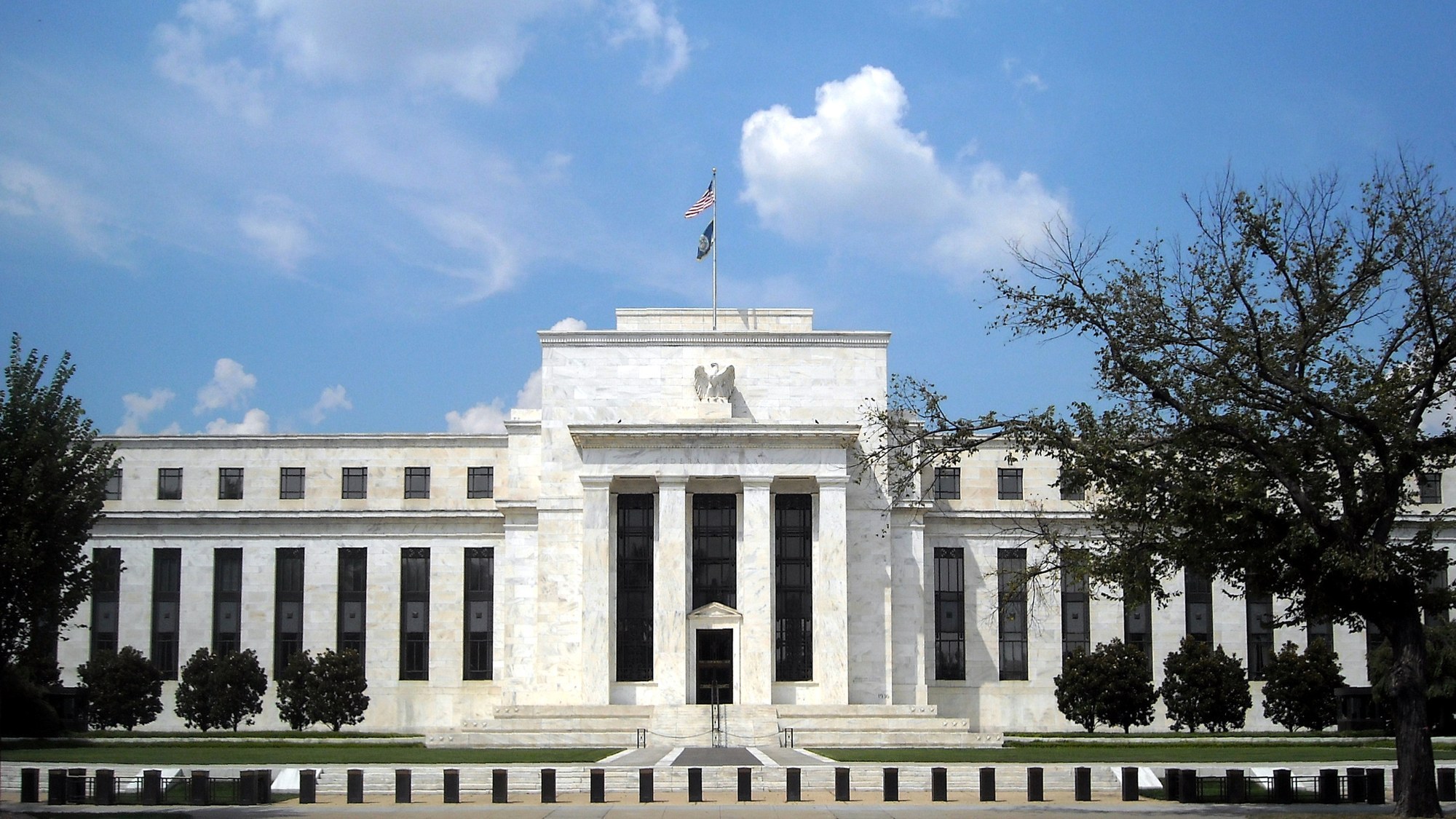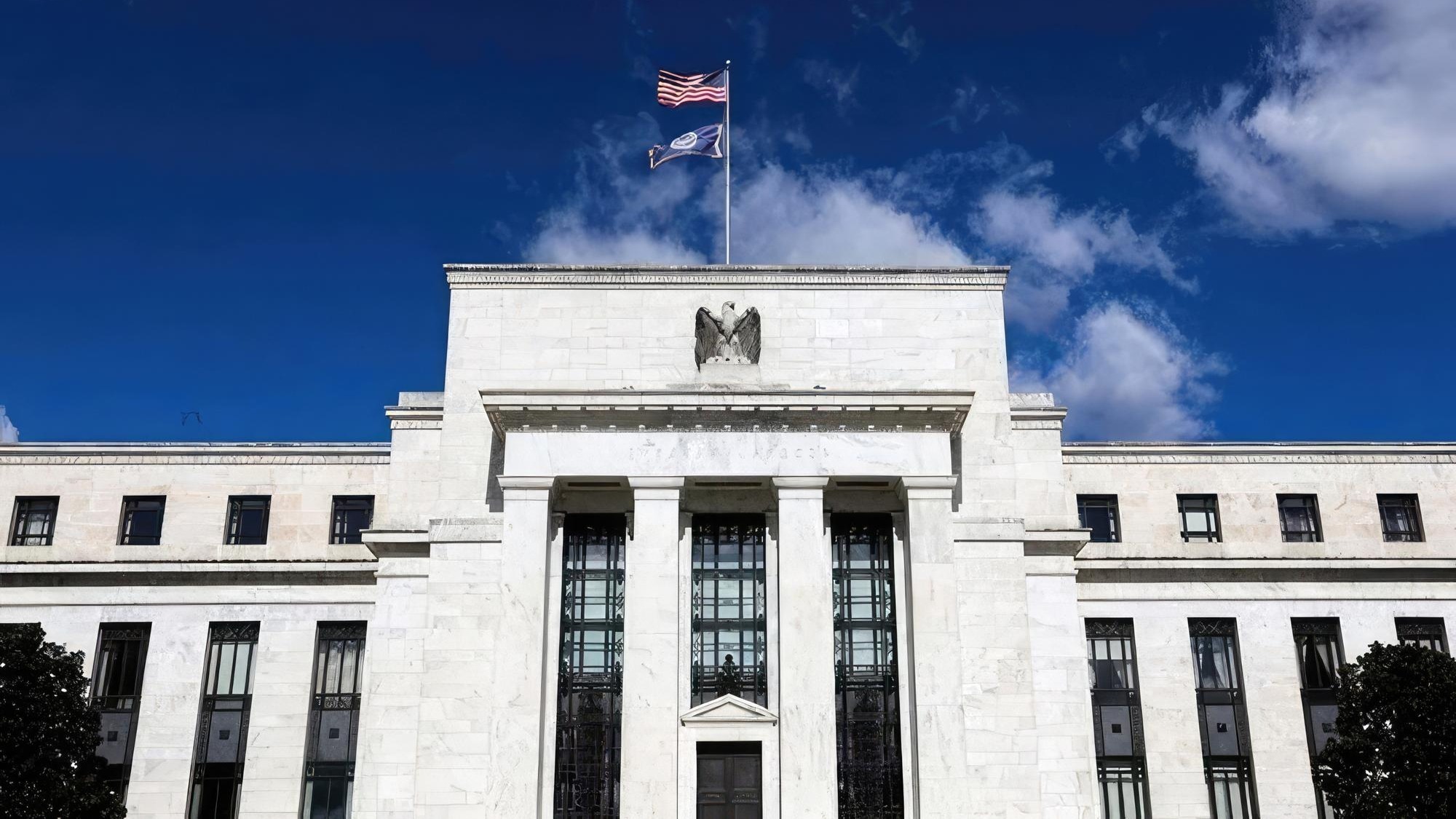
Homebuyers hoping for relief on borrowing costs this summer face another week of waiting. The Federal Open Market Committee opens a two-day meeting on Tuesday, June 16, 2026, with its policy decision set for Wednesday, June 17. The 30-year fixed mortgage average sits at 6.52 percent, and nothing in the Fed’s recent posture suggests a rate cut that would push that number meaningfully lower. For the millions of Americans priced out of homeownership or locked into existing mortgages they cannot refinance, the next 48 hours are likely to confirm what bond markets already expect: borrowing costs stay elevated.
Why a two-day Fed session keeps mortgage rates pinned
The connection between Fed policy and the rate on a 30-year home loan is not as direct as many borrowers assume. The central bank sets the overnight federal funds rate, but mortgage pricing tracks longer-term Treasury yields far more closely. The Fed’s own Treasury yield tables publish daily data that bond investors use to price mortgage-backed securities. When those yields swing after a Fed statement, the effect ripples into mortgage rates within days.
That timing matters because Freddie Mac’s Primary Mortgage Market Survey, the benchmark that produced the current 6.52 percent reading, collects lender quotes early each week and publishes on Thursday. Any volatility in Treasury yields between Wednesday’s FOMC announcement and the next survey window will shape whether the 30-year average ticks up, holds steady, or edges down. The formal rate decision itself, widely expected to be a hold, is almost secondary. What moves mortgage pricing is the language in the post-meeting statement and Chair Jerome Powell’s press conference, both of which reset investor expectations for future cuts.
The practical result for borrowers: even if the Fed leaves its benchmark rate unchanged on Wednesday, a hawkish tone on inflation or a cautious dot-plot projection could push Treasury yields higher and drag mortgage rates closer to 6.6 percent or above. A dovish surprise could do the opposite, but recent Fed communications have offered little reason to expect one.
Freddie Mac data and the 6.52 percent baseline
The 6.52 percent figure comes from the Freddie Mac PMMS, republished through the Federal Reserve Bank of St. Louis as the national mortgage series. That dataset is the most widely cited mortgage rate benchmark in the country, and its weekly cadence means it captures rate movements with a slight lag. The April 29 FOMC statement, the most recent official policy release available on the Fed’s monetary policy page, left the federal funds rate unchanged and offered no forward guidance suggesting imminent easing.
Between that April meeting and now, mortgage rates have barely budged. The 30-year average has hovered in a narrow band, reflecting a bond market that has priced in only modest easing for the rest of 2026. For a buyer financing $400,000 at 6.52 percent, the monthly principal and interest payment runs roughly $2,530. A move to 6.6 percent would add about $20 a month, or $240 a year. Those increments sound small in isolation, but they compound across the life of a loan and further squeeze buyers already stretching to qualify.
What the June statement cannot answer about mortgage costs
The June decision will be closely watched, but it cannot resolve the structural forces holding mortgage rates well above their pre-pandemic lows. The Fed can influence the path of short-term rates over the next year or two, yet 30-year mortgage pricing reflects inflation expectations, global demand for U.S. debt, and investors’ appetite for mortgage-backed securities. Even an unexpectedly dovish signal on Wednesday would not erase those broader pressures.
Investors will parse every line of the post-meeting statement for clues about how quickly the Fed might ease if inflation continues to cool. The central bank’s June communications page will host the statement, projections, and Powell’s remarks, giving markets a detailed look at policymakers’ thinking. But for homebuyers, the key takeaway is simpler: the Fed is unlikely to endorse the kind of rapid cuts that would drag mortgage rates back toward the 3 to 4 percent range seen earlier in the decade.
Another limitation is timing. Mortgage lenders adjust their rate sheets continuously in response to bond-market moves, while the Fed meets on a fixed schedule. The official meeting calendar shows only eight policy gatherings this year, leaving long stretches in which economic data can shift expectations without any new Fed decision. That disconnect means borrowers often experience rate swings driven by jobs reports or inflation releases rather than by a specific FOMC announcement.
What borrowers can realistically expect this summer
Given the bond market’s current outlook and the Fed’s cautious stance, the most realistic scenario for the rest of the summer is a continuation of today’s elevated but relatively stable mortgage environment. The central bank’s June events page will lay out the official decision and projections, and traders will quickly translate that into moves in Treasury yields. Unless those projections point to a much faster easing cycle than investors now anticipate, mortgage rates are likely to remain anchored near their recent range.
For would-be buyers, that means planning as if 6 to 7 percent mortgage rates are the new normal, at least for this home-shopping season. That could involve adjusting price targets, increasing down payments, or extending timelines rather than waiting for a sudden drop that may not arrive. For existing homeowners, especially those with rates locked in near pandemic-era lows, the June meeting is unlikely to reopen the refinancing window anytime soon.
The Fed can still surprise markets, and a string of softer inflation readings later this year could eventually bring borrowing costs down. But the immediate message heading into this week’s two-day meeting is straightforward. With the economy proving resilient and inflation not yet back to target, policymakers have little incentive to cut aggressively. Until that changes, the mortgage market will keep taking its cues from a Fed that is signaling patience-and from investors who have already priced that patience into today’s 6.52 percent baseline.