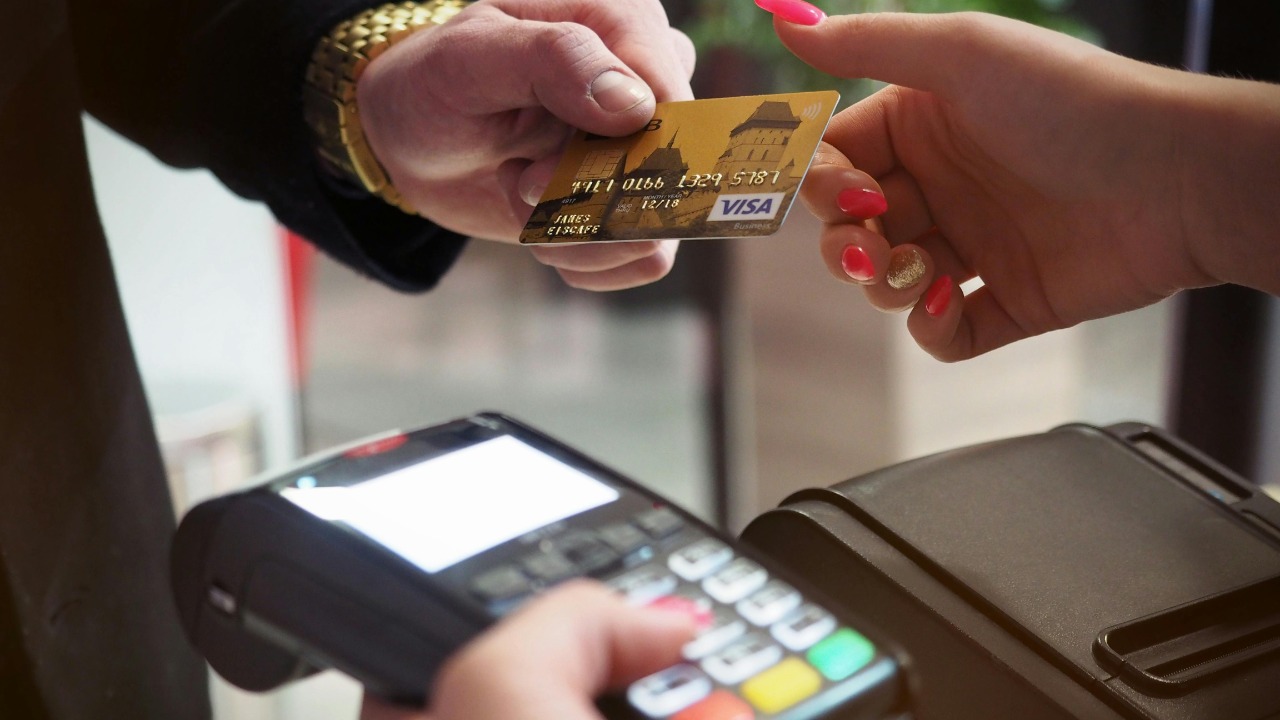
A federal law that took effect on September 21, 2018, eliminated fees for placing and lifting credit freezes at Equifax, Experian, and TransUnion, giving every American a free tool to block identity thieves from opening new accounts. The change, enacted through the Economic Growth, Regulatory Relief, and Consumer Protection Act, requires each of the three nationwide bureaus to process freeze requests at no cost. For consumers who have put off locking down their credit files, the practical barrier of per-bureau fees no longer exists.
Free freezes at Equifax, Experian, and TransUnion: what the 2018 law changed
Before September 2018, many states allowed credit bureaus to charge up to $10 or more each time a consumer placed or lifted a freeze. The federal law wiped out those charges nationwide. According to the Federal Trade Commission, consumers must contact each bureau individually to place a freeze, and each bureau must respond within one business day for online or phone requests. The law also extended fraud alerts from 90 days to one full year, creating a lighter alternative for people who want some protection without a full freeze.
A freeze works by restricting access to a consumer’s credit report. When a lender or creditor cannot pull a report, it will typically deny a new credit application, which is exactly the outcome that stops a thief from opening a card or loan in someone else’s name. The consumer retains the ability to lift the freeze temporarily, using a PIN or password, whenever a legitimate application requires a credit check. Both placing and lifting remain free under the law, according to FTC consumer guidance.
The hypothesis that widespread adoption of simultaneous freezes at all three bureaus would produce a measurable drop in new-account identity-theft complaints within 18 months is reasonable in theory. A freeze at only one or two bureaus leaves a gap, because lenders may pull reports from different agencies depending on the product and region. Freezing all three closes that gap. Yet no publicly available FTC or CFPB dataset isolates the effect of freeze adoption rates on new-account fraud complaints independent of broader trends in identity theft reporting. The absence of that data makes it impossible to confirm or reject the hypothesis with precision, even as consumer advocates continue to recommend freezes as a strong preventive measure.
How the freeze applies to protected consumers and minors
The law also addressed a gap that left children and other protected individuals exposed. The Consumer Financial Protection Bureau has confirmed that when a freeze is requested for a protected consumer, such as a minor or an incapacitated adult, the bureau must create a credit file if none already exists, and then freeze it. This matters because thieves sometimes target minors precisely because no credit file exists to trigger monitoring alerts. Parents or guardians can now request a freeze on behalf of a child at each of the three bureaus, and the bureau cannot refuse on the grounds that no file is on record.
Under CFPB explanations of a security freeze, the protections for these groups generally mirror adult freezes. Lenders and most new-credit checks are blocked, while certain parties such as existing creditors and some government agencies may still have limited access. For families, this means a long-term shield that can stay in place until the child is ready to use credit as an adult, at which point the freeze can be lifted temporarily or removed altogether.
How to place or lift a freeze
For anyone ready to act, the first step is straightforward: visit or call each bureau directly. Equifax, Experian, and TransUnion each maintain online portals and phone lines for freeze requests. The federal government’s consumer site at USA.gov provides current contact details and links to the bureaus’ freeze pages, along with basic explanations of how freezes differ from fraud alerts and credit monitoring.
When placing a freeze, consumers should be prepared to provide identifying information such as their full name, address, date of birth, and Social Security number. The bureaus may also ask for documentation to verify identity, especially for mail-in or third-party requests on behalf of minors or incapacitated adults. Once the freeze is in place, each bureau must send confirmation and instructions for lifting or temporarily thawing the freeze when needed.
Lifting a freeze is typically as simple as logging into the bureau’s website or calling its automated phone system and specifying either a time window or a particular creditor. Because the law requires that freezes and thaws be free, consumers can tailor access closely to their plans-for example, opening a brief window while shopping for a mortgage, then re-freezing afterward. Keeping records of confirmation numbers and login credentials in a secure place helps ensure that access can be managed quickly when legitimate credit needs arise.
With fees removed and procedures standardized, credit freezes have become a practical baseline defense rather than a niche tool reserved for identity-theft victims. While the precise impact on national fraud statistics remains difficult to measure, the legal changes give consumers and families a clearer, no-cost way to shut the door on many forms of new-account abuse.