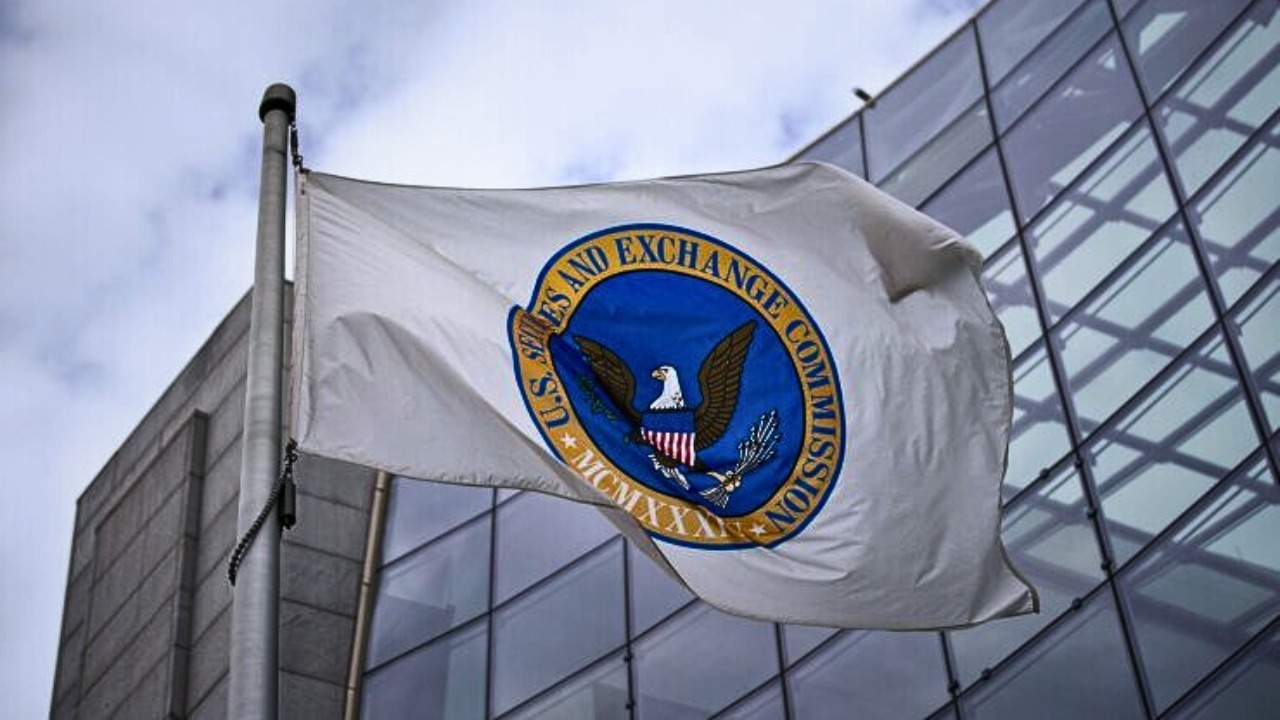
Investors scrolling through social-media feeds or email inboxes encounter pitches for private deals, crowdfunding rounds, and startup shares on a near-daily basis. Many of these promotions skip a basic step that costs nothing and takes minutes: checking whether the company actually filed its offering documents with the Securities and Exchange Commission. The SEC’s Office of Investor Education and Advocacy has issued a direct warning on this point, telling investors that if a promoter claims an offering is registered but no filing appears on the agency’s public database, “you should not invest.” The agency’s investor alert on broadly advertised investments stresses that mass-marketed deals often bypass registration and disclosure rules that protect the public.
Why an EDGAR search is the first defense against unregistered offerings
Under the Securities Act of 1933, securities offered in the United States must be registered with the SEC or qualify for a specific exemption. Registration statements typically include a business description, a description of the securities being sold, information about management, and certified financial statements, according to the SEC’s registration glossary. Those filings become public shortly after submission and are available through EDGAR, the agency’s electronic disclosure system.
The gap between what the law requires and what some promoters actually do is where investors get burned. Paid social ads and mass emails can reach millions of people without passing through the compliance filters that registered broker-dealers apply. When an offering skips SEC filing requirements entirely, the absence of any record on EDGAR is the clearest signal that something is wrong. For many private exemptions, including common Regulation D offerings, the notice filing is short and standardized. The SEC charges no filing fee for Form D notices or amendments, so cost is not a legitimate excuse for failing to file.
EDGAR provides free public access to millions of filings. Anyone can search by company name to see whether a registration statement, a Form D notice of exempt offering, or a Regulation Crowdfunding Form C has been submitted. The search takes seconds, and the absence of a result carries real meaning. If a salesperson insists that an offering is “SEC-approved” or “fully registered” but nothing appears in EDGAR under the issuer’s name, that mismatch should be treated as a major red flag rather than a paperwork glitch.
What EDGAR filings reveal about registered and exempt offerings
Not every legitimate offering goes through full SEC registration. Many private placements rely on Regulation D, which requires the issuer to file a Form D notice within 15 days after the first sale. That form is filed online through EDGAR, and the SEC does not charge any fee for it. Investors evaluating a Regulation D pitch can search EDGAR to confirm whether the company actually submitted its Form D, a step the SEC explicitly recommends on its investor education pages. A properly filed Form D will list the issuer, the type of securities, the size of the offering, and whether sales are limited to accredited investors.
Regulation Crowdfunding operates under a parallel requirement. Issuers raising money through crowdfunding portals must electronically file their offering statement on Form C through EDGAR before accepting investments from the public. The SEC tracks these filings, including amendments and terminations, and uses the latest version to determine the current target amount. If a company claims to be running a Reg CF campaign but no Form C appears in EDGAR for that issuer, that discrepancy should stop any investment decision cold. Either the campaign is not compliant, or the promoter is misrepresenting what is actually being offered.
Registered offerings provide even more detail. A prospectus filed as part of a registration statement will describe the business model, risk factors, use of proceeds, and dilution, and will include audited financial statements. While these documents can be dense, simply confirming that they exist-and that the issuer’s name, ticker (if any), and offering terms match what you are being told-can filter out many fraudulent or misleading pitches. If key details differ between the sales materials and the filed documents, the safest response is to walk away.
Verifying the people and intermediaries behind a pitch
Beyond the offering itself, investors can verify the people and firms involved. FINRA’s BrokerCheck system allows the public to confirm whether a broker or brokerage firm is properly registered and to review disclosure events such as customer complaints or regulatory actions. The Investment Adviser Public Disclosure database, often called IAPD, serves a similar function for investment advisers and advisory firms, listing registrations, disciplinary history, and ownership information. SIPC’s website lets investors confirm whether a brokerage firm is a member of the Securities Investor Protection Corporation, an important protection if the firm fails financially.
These checks complement, but do not replace, an EDGAR search. A licensed broker can still sell a problematic private placement, and a legitimate crowdfunding portal can host offerings with high risk or weak business plans. However, when an unregistered individual is pushing a deal that has no trace on EDGAR, no Form D or Form C, and no clear exemption, the combination of red flags is especially stark. In that scenario, the SEC’s guidance is unambiguous: do not invest, no matter how compelling the story or how limited the “window” to participate appears.
For individual investors, the takeaway is straightforward. Before wiring money, clicking “invest,” or signing a subscription agreement, spend a few minutes checking filings and registrations. Use EDGAR to confirm the existence and type of the offering, and use regulator-run databases to verify the status of anyone handling your money. Those free tools cannot guarantee a profitable outcome, but they can dramatically reduce the odds of falling victim to unregistered and potentially fraudulent offerings that thrive on opacity and urgency.