Borrowers, investors, and anyone shopping for a mortgage felt the sting in early June 2026 when the 10-year Treasury yield climbed to 4.55%, driven by a sharp shift in trader expectations from rate cuts to possible rate hikes by the Federal Reserve. The move sent stocks lower and raised the cost of long-term borrowing across the economy, catching many market participants off guard after months of bets that the Fed would ease policy before year-end.
A rapid repricing of Fed expectations hit bond markets
The speed of the shift is what makes this episode stand out. As recently as late 2025, futures markets reflected strong odds that the Fed would cut its benchmark rate at least once in 2026. By early June, that view had flipped. Data from derivatives trading, cited in an Associated Press analysis, showed a sharp jump in the implied probability that the Fed would raise rates this year rather than lower them. The 10-year yield, a benchmark that influences mortgage rates, corporate borrowing costs, and government debt payments, responded by pushing above 4.5%.
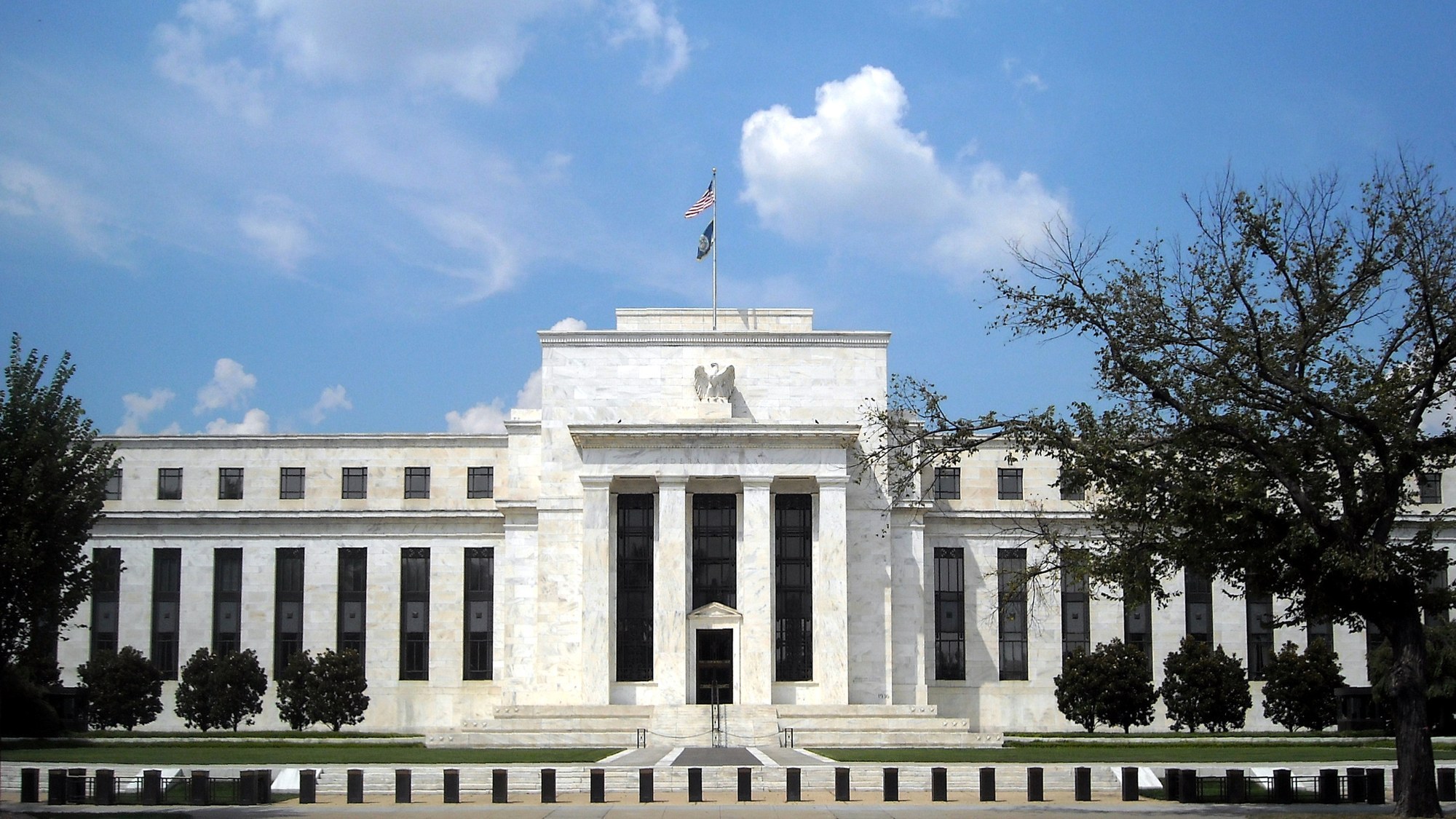
The trigger was a combination of sticky inflation readings and cautious language from Fed officials. At the March 18 FOMC press conference, policymakers emphasized that upside risks to inflation had not faded and that policy would remain data-dependent. The official FOMC transcript recorded participants stating they would “continue to monitor incoming information and adjust policy as appropriate.” That phrasing, while standard, took on new weight as consumer price data in subsequent months refused to cool as quickly as forecasters expected, reinforcing the idea that rates might need to stay higher for longer.
For households, the practical effect is direct. Higher Treasury yields push up 30-year fixed mortgage rates, auto loan pricing, and some credit card APRs that are influenced by longer-term benchmarks. A sustained move above 4.5% on the 10-year note makes home purchases more expensive, reduces refinancing incentives, and squeezes corporate borrowers who had been waiting for cheaper conditions to roll over existing debt. The result is a broad tightening in financial conditions even without a formal rate hike.
Yield data and the positioning question
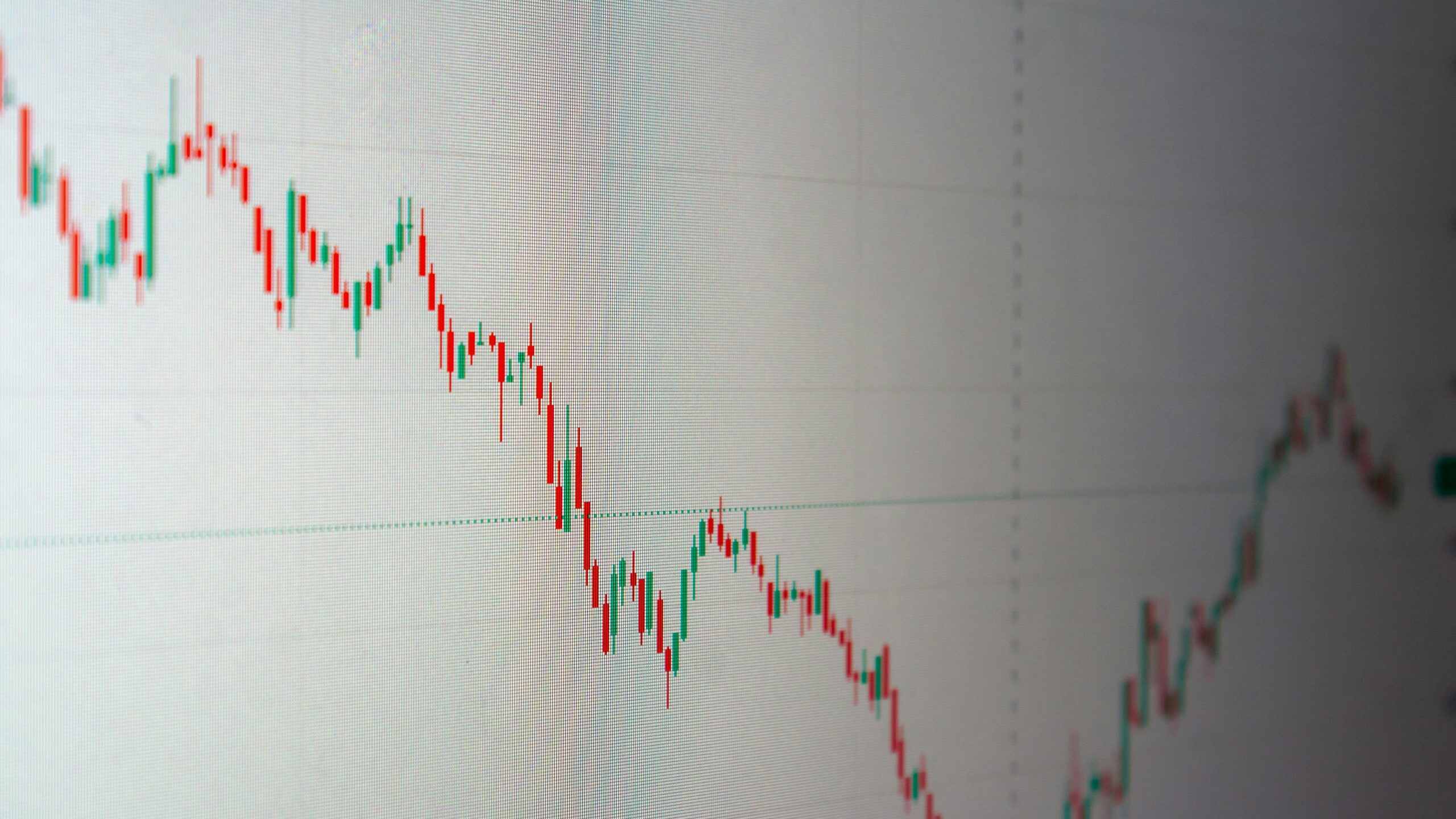
The DGS10 yield series from the Federal Reserve Bank of St. Louis confirms the 10-year constant-maturity rate reached 4.55% in early June 2026. On a nearby session, the yield stood at about 4.49%, according to the Associated Press. Those readings represent the highest sustained levels since the bond selloff of late 2023 and early 2024, when investors also grappled with uncertainty over the Fed’s inflation fight.
A key question is whether this repricing reflects a genuine change in the Fed’s reaction function or a positioning squeeze among leveraged traders. Treasury futures markets can amplify moves when crowded bets unwind, forcing investors who had been positioned for lower yields to exit quickly. That dynamic can temporarily push yields beyond what fundamentals alone might justify, especially when economic data arrive in rapid succession.
Upcoming inflation and labor reports will help determine which narrative prevails. If the next two consumer price index releases come in at or below consensus estimates, the hike story could dissolve as quickly as it formed. In that scenario, traders would likely scale back expectations for tighter policy, yields could retreat, and the recent spike would look more like a positioning event than a durable signal about the Fed’s path.
The opposite outcome, where inflation stays elevated or accelerates, would validate the repricing and could push the 10-year yield higher still. The Fed has not formally signaled a hike, and no voting FOMC member has publicly endorsed one, but officials have repeatedly stressed that they are prepared to respond if price pressures re-intensify. The gap between market pricing and official guidance is therefore less about an explicit promise to raise rates and more about investors hedging against the risk that inflation proves harder to tame than hoped.
For now, the rise in long-term yields serves as a reminder that the end of the inflation fight is not yet assured. Households and businesses that had been planning around lower borrowing costs may need to adjust budgets, delay projects, or lock in rates sooner than expected. If inflation cooperates, some of this pressure could ease later in the year. If not, early June 2026 may be remembered as the moment when markets finally accepted that high rates could be a longer-lasting feature of the economic landscape.