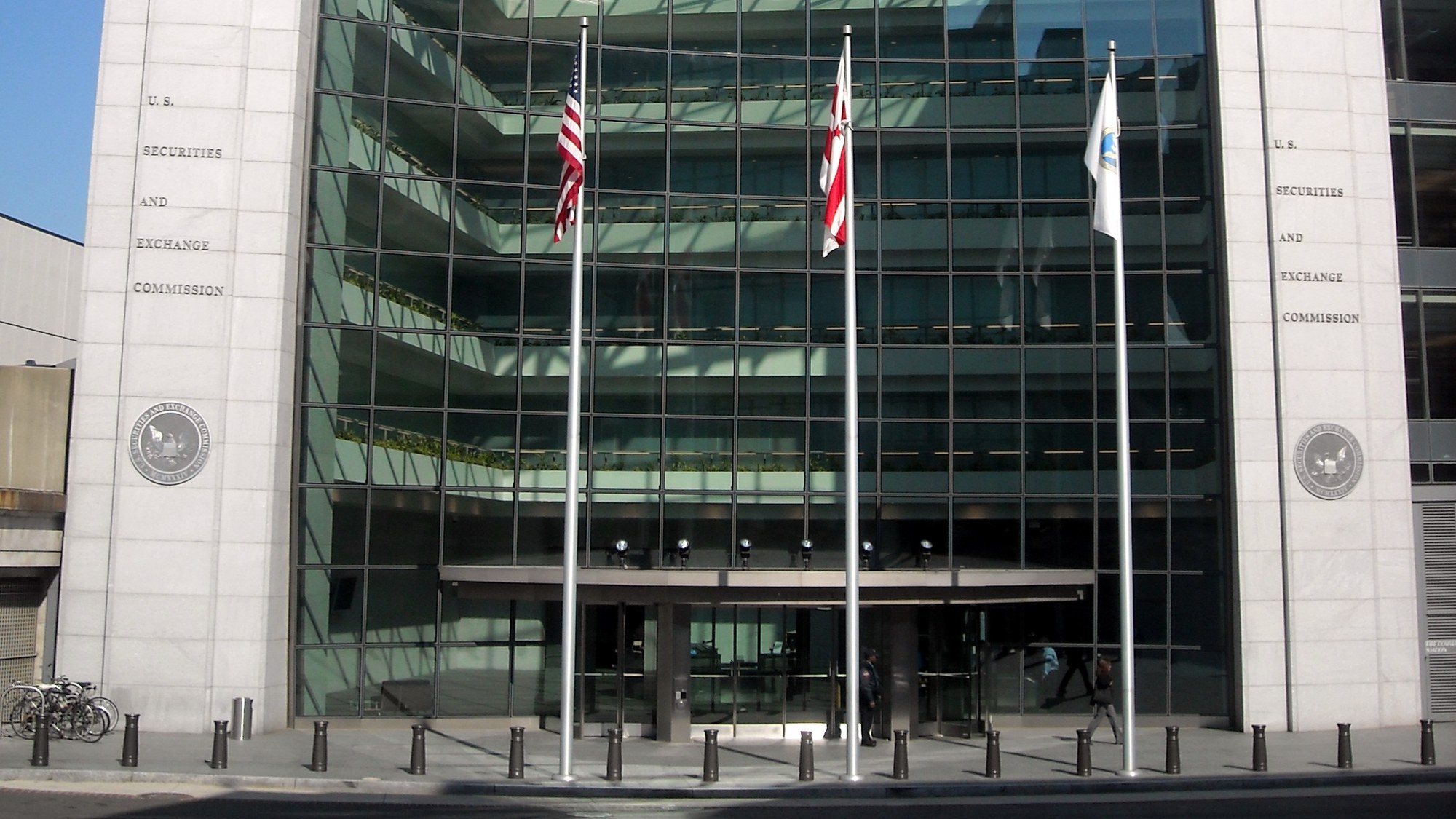
Terrence Chalk, a self-described wealth advisor who operated under the alias “Dr. Cash,” was sentenced to three years in federal prison for running a Ponzi scheme that targeted churchgoers and attendees of wealth-building seminars. The U.S. Attorney’s Office for the Southern District of New York labeled Chalk a “serial fraudster,” a characterization tied to his repeated use of investor trust to fund personal expenses rather than deliver the promised returns. The case drew parallel enforcement from the SEC, which obtained a final consent judgment barring Chalk from the securities industry.
How Chalk built a scheme inside churches and seminars
Chalk positioned himself as the chairman of a wealth management business and used the “Dr. Cash” persona to project financial expertise at events where audiences were already primed to trust a speaker. According to the U.S. Attorney’s Office, the scheme specifically targeted church gatherings and wealth seminars, settings where personal referrals and shared faith lower skepticism. Chalk promised safe, high-yield returns, then cycled new investors’ money to pay earlier participants, a classic Ponzi structure that collapsed once fresh capital dried up.
The choice of venue matters for how fraud spreads and how long it survives. Affinity-based schemes rely on word of mouth inside tight-knit groups, which means victims often recruit friends and family before anyone suspects wrongdoing. Chalk exploited that dynamic. By the time federal prosecutors brought securities fraud charges, the damage had already rippled through communities whose members vouched for him.
Federal and SEC enforcement against Chalk
The criminal case moved through the Southern District of New York, where prosecutors charged Chalk with securities fraud for soliciting investments through his firm while diverting funds. The Department of Justice described him as a repeat offender, and the three-year prison term reflects both the fraud itself and Chalk’s history of deceptive conduct.
On the civil side, the SEC pursued its own action. The agency obtained a final consent judgment against Chalk for operating what it characterized as a Ponzi-like offering fraud. That judgment, documented in the SEC’s enforcement records, effectively bars Chalk from acting as an investment adviser or participating in securities offerings going forward. The dual-track prosecution, one criminal and one civil, signals the seriousness regulators assigned to the case.
One question raised by the sentencing is whether affinity-fraud defendants face lighter punishment than those who solicit strangers through open advertising. The three-year term falls on the shorter end of federal fraud sentences, and federal sentencing guidelines do account for the number of victims and total loss amounts. Prosecutors in affinity cases sometimes face a narrower pool of cooperating witnesses, since victims may feel shame or loyalty that discourages testimony. Whether the sentence here reflects those dynamics or simply the scale of documented losses is not clear from the public record.
Unanswered questions about victim losses and prior conduct
The DOJ release and SEC judgment confirm the scheme’s structure and Chalk’s alias but do not publish a precise total loss figure or list individual victim recovery amounts. Secondary reporting has cited figures in the range of $1.3 million, but no primary court document in the public record breaks down how much investors lost or how much, if anything, has been returned.