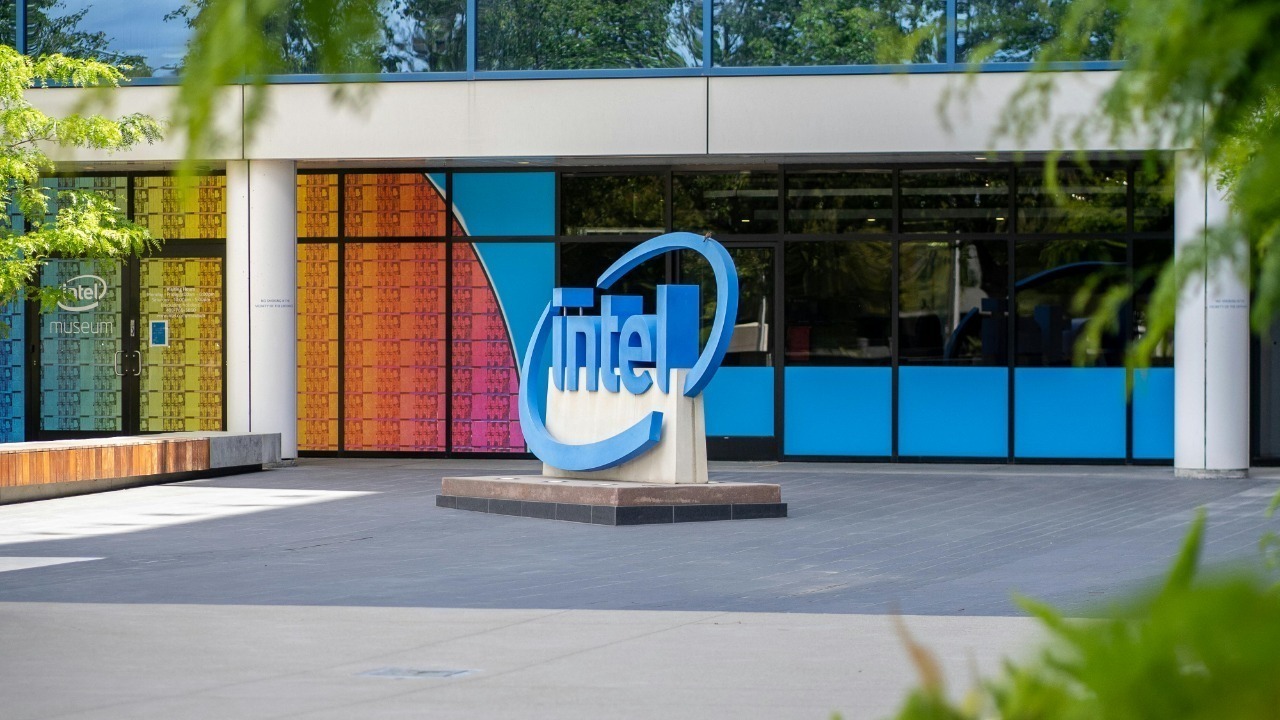
Roughly 27,000 workers have lost their jobs at Intel across overlapping rounds of cuts that began in 2024 and continued into 2026, making the chipmaker’s restructuring one of the deepest workforce reductions in modern tech history. The company’s own quarterly filings with the Securities and Exchange Commission trace a clear line from announced targets to executed layoffs to falling payroll costs, quarter after quarter. For employees, investors, and the broader semiconductor supply chain, the question is no longer whether the cuts are real but whether they have gone too far.
Why 27,000 lost jobs reshape Intel’s competitive position
Intel set out to shrink its core workforce by approximately 15 percent by the end of fiscal 2025, a target the company disclosed in its June 2025 filing. That document marked the first time the percentage target appeared in a formal SEC report, giving the reduction plan legal and financial weight beyond press statements. Subsequent filings confirmed that management followed through: payroll-related expenses dropped, and severance charges piled up across multiple quarters.
The scale of these reductions matters because Intel is simultaneously trying to close a manufacturing gap with TSMC and Samsung. Fewer engineers and process specialists could slow the pace of new chip-fabrication nodes. If Intel’s research and development spending falls in step with headcount, the company risks losing ground on the very technology advances it needs to justify billions of dollars in new U.S. fab construction. The tension between cost discipline and innovation capacity is the central risk facing the company through at least late 2027.
At the same time, Intel is pursuing an ambitious foundry strategy that aims to win external customers for its manufacturing lines. That business depends on convincing chip designers that Intel can match or beat rival timelines for advanced process technologies. Large-scale layoffs introduce uncertainty: customers may worry about execution risk, while remaining employees face heavier workloads and potential burnout. Intel’s ability to reassure partners that it can deliver on roadmaps despite a smaller workforce will help determine whether the restructuring ultimately strengthens or weakens its competitive position.
SEC filings document falling payroll and rising severance costs
Three consecutive quarterly reports filed with the SEC create a paper trail that connects the announced 15 percent target to real financial outcomes. The September 2025 report stated that payroll-related expenses declined because of headcount reductions carried out under both the 2024 and 2025 restructuring plans. The same filing disclosed severance and benefit charges tied directly to those cuts, confirming that thousands of employees had already exited.
By the time Intel filed its March 2026 report, expense changes were still being driven by headcount reductions under the 2025 restructuring plan. That filing extends the cost story well beyond the original target date, suggesting the workforce shrinkage either exceeded the initial 15 percent goal or that additional rounds of cuts were layered on top. Either way, the financial record shows a company that has been shedding staff for roughly two years running.
What the filings do not reveal is equally telling. Intel has not disclosed the absolute number of positions eliminated in any single quarter, nor has it broken down cuts by division, geography, or job function. The 27,000 figure circulating in public discussion is derived from the percentage target applied to Intel’s previously reported global headcount, but the company itself has not confirmed a specific cumulative number in its SEC documents. That lack of granularity makes it difficult for outside observers to assess where institutional knowledge has been lost and which product lines or technology groups are most affected.
Implications for employees, investors, and the chip ecosystem
For employees, the extended restructuring has created a rolling sense of uncertainty. Multiple waves of reductions over two years can erode morale even among those who remain, as teams are repeatedly reshuffled and long-term projects risk losing continuity. The absence of detailed disclosures on which areas are being trimmed leaves workers guessing about the future of their own business units and career paths inside the company.
Investors, by contrast, tend to focus on the visible cost savings. Lower payroll and related expenses can support margins in the short term, especially when end markets are volatile. The SEC filings show that Intel is realizing substantial savings from its restructuring program, but they also highlight the one-time costs of severance and benefits that weigh on near-term profitability. The key question for shareholders is whether the company can convert a leaner cost base into sustainable earnings growth without sacrificing its ability to innovate at the leading edge of semiconductor technology.
The broader semiconductor ecosystem also feels the impact. Intel is a major buyer of tools, materials, and services, and a significant employer in several regions. Large headcount reductions can ripple through local economies and supplier relationships, particularly in communities that depend heavily on its campuses. At the same time, if the restructuring enables Intel to execute large manufacturing investments more efficiently, the long-run effect could be a stronger domestic production base that benefits upstream and downstream partners.
Ultimately, the story told across Intel’s SEC reports is one of a company attempting to reinvent itself under intense competitive and financial pressure. The documented decline in payroll costs and ongoing severance charges confirms that the restructuring is real and deep. What remains uncertain is whether the loss of roughly 27,000 jobs will be remembered as the painful foundation of a successful turnaround, or as a retreat that left the company too thinly staffed to win the next generation of the chip race.